

By Michael Williams
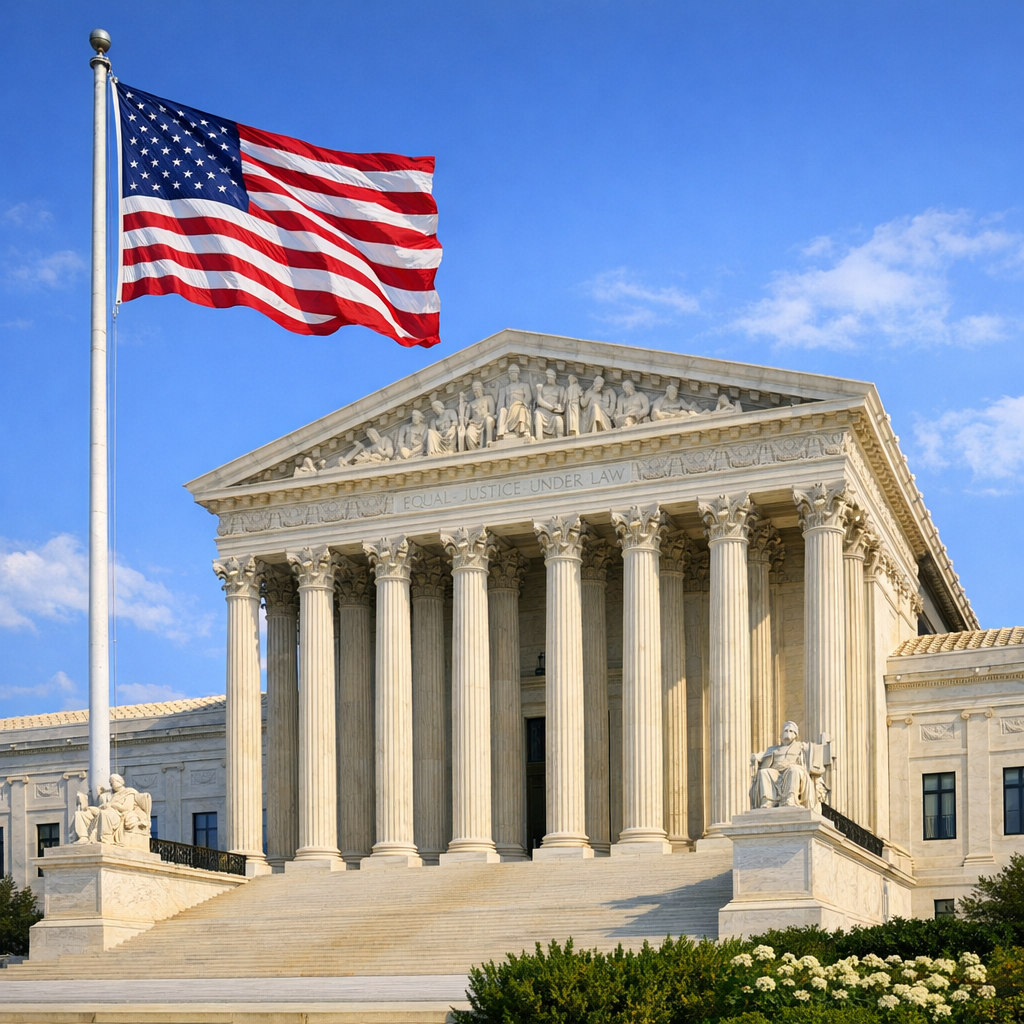
Recent decisions by the Supreme Court have altered the balance of power between the federal executive branch and independent agencies — with implications for U.S. economic stability and regulatory certainty.
How agency power shifted
In rulings that will resonate across federal policy arenas, the Court struck down legal precedents that protected leaders of independent regulatory agencies — such as the Federal Trade Commission — from being fired by the president without specific cause. The decisions expand executive authority over many federal agencies. At the same time, the Court preserved the Federal Reserve’s independence, affirming that its leadership cannot be removed freely under the same reasoning. These changes mark one of the largest shifts in presidential agency power in decades.
Economic impact and market uncertainty
These rulings have already begun to ripple through markets. Eliminating removal protections for agency heads raises concerns about regulatory stability, as businesses may now face shifts in oversight that align more closely with prevailing political priorities. While the Fed remains insulated, the broader trend could unsettle financial planning in industries heavily regulated by other agencies.
Budgetary outlook and economic projections
The Congressional Budget Office’s long-term forecasts reflect changes tied to recent policy shifts. Provisions in the 2025 reconciliation act are expected to boost economic growth and investment in the near term, while increased tariffs and reduced net immigration are projected to slow labor force growth and output over time. Furthermore, projected deficits are set to rise, with federal debt held by the public already exceeding 100% of GDP and growing in the years ahead.
Why Nashville (and Tennessee) should pay attention
For businesses in Nashville, shifts in federal agency power can mean new uncertainties around regulation — from environmental to trade to labor policies. Inflationary pressures tied to tariffs and debt may influence consumer prices and borrowing costs. On the hiring side, labor supply shifts caused by immigration policy and tax incentives will matter for local sectors already competing for skilled talent.
Key things to watch
- How executive branch agencies adapt their operations under the new authority the Court has granted.
- The Fed’s actions in maintaining price stability amid rising public and political scrutiny.
- Congressional responses to growth, debt, and the balance between regulation and deregulation.
The current moment marks a turning point: what had once been long-held legal protections for checks and balances are now being re-evaluated. The consequences will be felt across Washington — and here at home in Tennessee.