

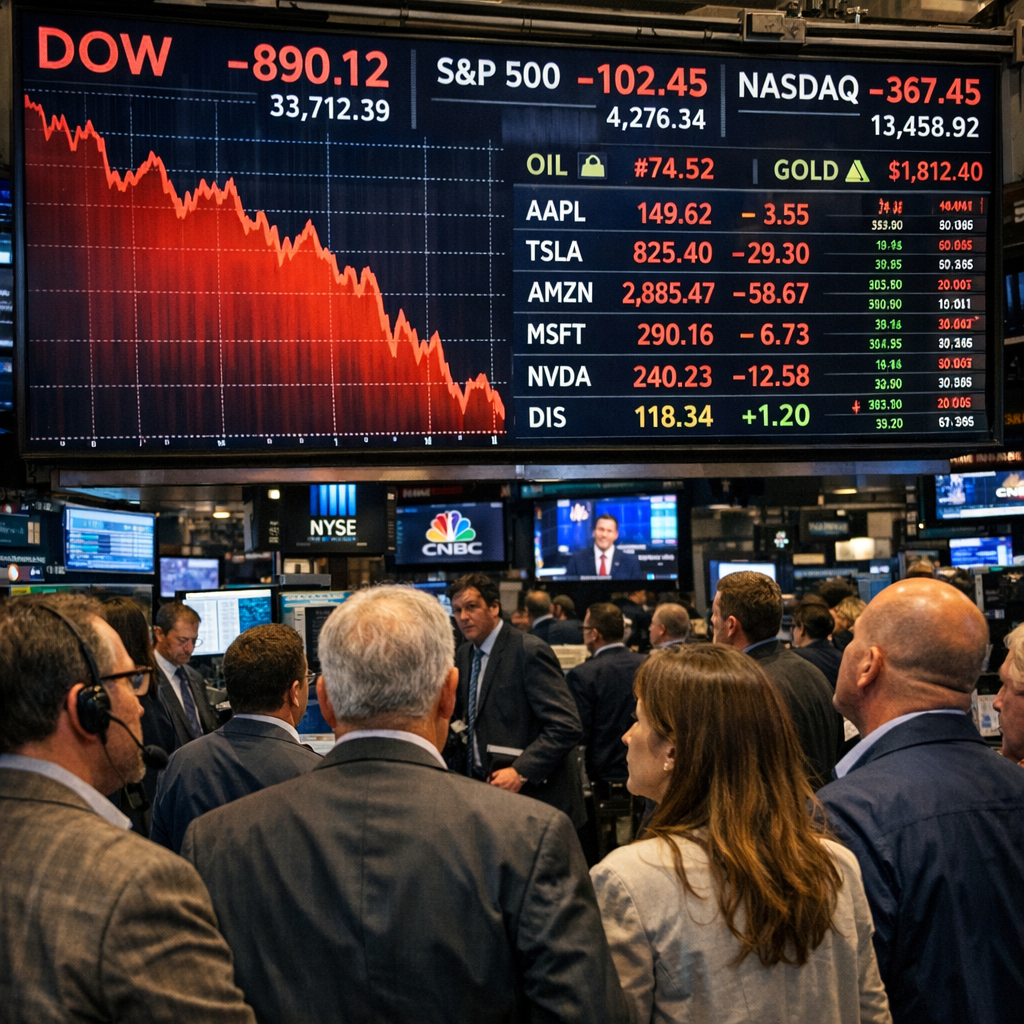
National headlines in recent months have made one thing clear: the U.S. economy and how people feel about it are central in voters’ minds as we move toward the midterm elections. Here’s a deeper look at how economic perceptions are shifting, what’s driving concern, and why it matters for both parties.
Public Sentiment Is Hesitant, Critical
According to recent surveys, only about a quarter of Americans describe current economic conditions as “excellent” or “good.” For many, the economy is “only fair” or worse. These sentiments are strongly divided along partisan lines: Republicans are significantly more likely to view economic conditions positively compared to Democrats, though their optimism has dropped recently. Meanwhile, the majority of Democratic-leaning voters continue to rate the economy poorly and believe current policies have harmed economic wellbeing. (Numbers come from Pew Research Center.)
Main Stressors: Prices, Healthcare, Housing
Cost concerns are widespread. Healthcare expenses, food and consumer prices, and housing costs are at the top of what Americans say worry them most. Gas prices, once sharply lower, have become a renewed source of frustration, especially with recent global tensions pushing energy costs upward. At the same time, many people are deeply uneasy about how fast artificial intelligence is reshaping jobs and business expectations.
What This Means Politically
With the midterms approaching, economic issues are emerging as the top priorities voters want their congressional candidates to address. Many people perceive their vote as a referendum on national leadership—particularly the president. For some, it’s a vote about avoiding further economic decline; for others, a vote for corrective action.
Importantly, neither major party currently holds a clear, uncontested advantage when it comes to economic policy in the eyes of the public—though party membership still matters a lot in predicting economic outlook. Politicians across the spectrum are being forced to respond, especially in states and districts where economic dissatisfaction cuts across usual divisions.
Why It Still Matters
Economics is more than raw data—it’s about everyday reality. Rising prices, especially for essentials like housing and healthcare, directly affect budgets and stress levels. When citizens feel that growth isn’t reaching them, and when they doubt that economic policies are helping, those grievances become fuel for activism, voter turnout, or disillusionment.
Whether you’re voting in Nashville or anywhere else, the economic arguments you hear—about inflation, affordability, job opportunities—are not just political talking points. They reflect real choices for many people about how they live and whether they trust elected leaders to take care of what matters most.
For both parties, the midterms offer a test: can they address economic discontent credibly, equitably, and transparently? If not, voters may decide they want change—not just in tone, but in policy priorities.