

By Michael Williams
Inflation Shows Tentative Signs of Slowing
Recent figures from the U.S. Bureau of Labor Statistics reveal that inflation moved modestly over the past month. In July, the Consumer Price Index (CPI-U) increased just 0.1% seasonally adjusted, following a larger decline in June. Over the past year, prices have risen around 3.4%, down slightly from earlier months. Core inflation (excluding food and energy) continues to run near 2.5% for the year. These numbers point to emerging easing in price pressures, though the progress is uneven across sectors. Shelter and food services remain major contributors to monthly inflation. Energy prices have dropped slightly on a month-to-month basis, though they remain elevated year to year.
This means many Americans are still feeling the effects of price increases, especially in essentials like housing and groceries.
Fed Officials Ready to Tighten if Inflation Persists
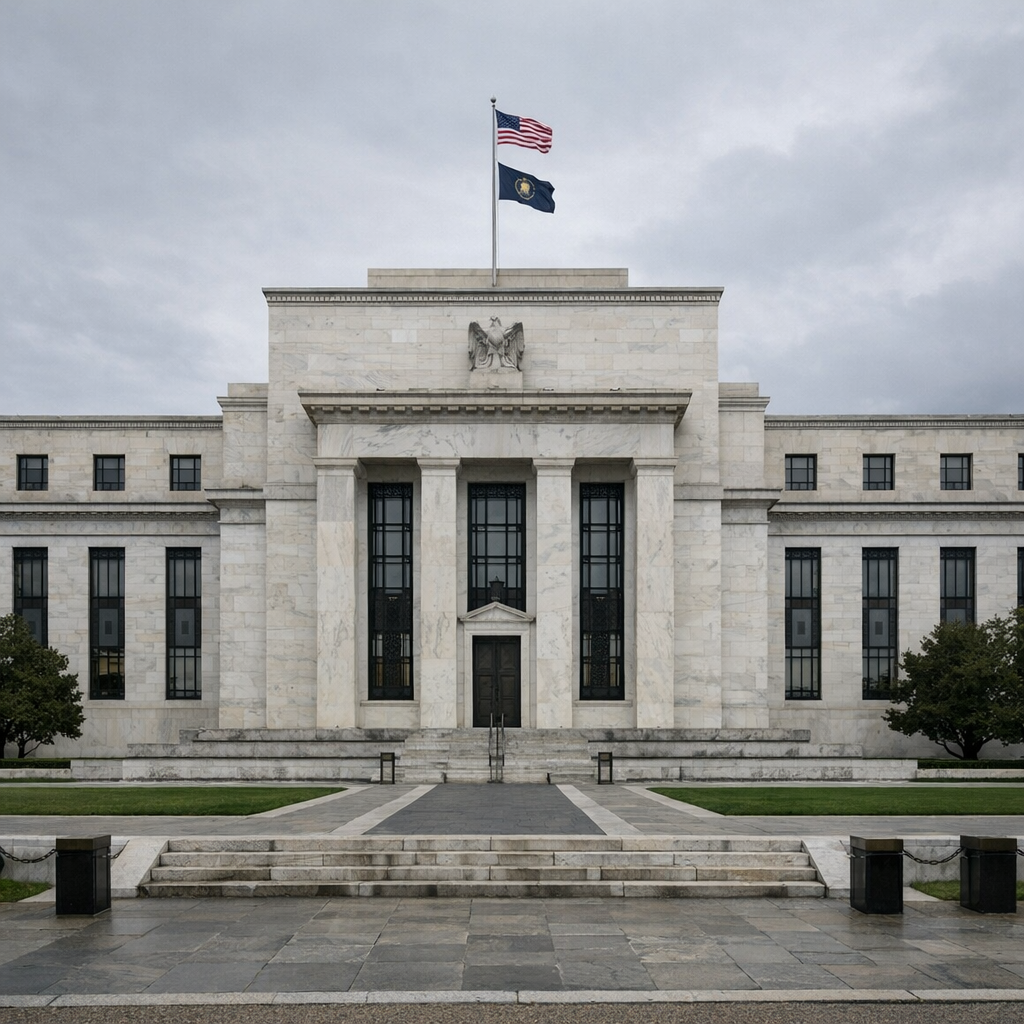
Minutes from the Federal Reserve’s meeting in late July show a clear consensus among many policymakers: if inflation does not continue to decline, more rate hikes may be required. Despite encouraging data in recent months, some officials believe the current levels of inflation still pose risks to achieving long-term price stability. Markets now expect the Fed to hold rates steady in the next meeting but leave the door open to increases later in the year.
Another point of tension: while the Fed is focused on inflation, the U.S. Treasury is also active in markets in ways that suggest Washington is pushing back on rising long-term borrowing costs. These interventions may complicate the Fed’s efforts to rely on pure market signals to steer policy.
What It Means for Everyday Texans and Tennesseans
For those in Nashville and beyond, these developments matter in several ways. Higher interest rates could mean more expensive mortgages, car loans, and credit cards. At the same time, cooling inflation might ease some pressure at the grocery store or fuel pump—though changes are likely gradual. Homebuyers in particular will be watching both inflation trends and Fed policy closely, as borrowing costs are sensitive to both.
Looking Ahead
The Fed’s dual mandate—maximum employment balanced with stable prices—continues to guide decision-making. Key risks to watch: whether inflation, particularly in shelter and food, remains sticky; how global factors like energy costs evolve; and whether market and government actions align or conflict. Even with inflation cooling, many officials believe that vigilance remains essential to avoid backsliding. If prices remain elevated, rate hikes are still very much on the table.