

By Sophia Anderson
Nashville is growing fast. With that growth comes big challenges—and big conversations. In recent months, public feedback, policy proposals, and research alike have highlighted three central concerns for Nashvillians: housing affordability, economic pressures, and the city’s pace of growth. This article rounds up what’s happening at the city level, where efforts are underway, and where many residents feel more work is needed.
Housing Affordability: The Pressure from Every Corner
A majority of Nashvillians now say they cannot afford to buy a house in Davidson County. More than half of renters are cost-burdened, paying over 30% of their income toward housing—while a significant portion spend well above that. This housing stress shows up in the budget process, in community surveys, and as people weigh whether they can stay in the city at all. Affordable housing continues to be the issue residents want their leaders to tackle most urgently.
Metro Nashville’s Unified Housing Strategy (UHS) combines community feedback with research to propose clear steps toward housing security. This includes plans to develop more permanently affordable units, to stabilize neighborhoods under pressure, and to lower housing costs without sacrificing quality. But even with these plans, many say change isn’t happening fast enough—and that gaps in infrastructure, zoning, and neighborhood opposition still crimp progress.
Pushing Back Against Rising Costs
Housing is just one piece of Nashville’s affordability puzzle. Residents are also coping with climbing costs of groceries, utilities, childcare, and daily essentials. In recent civic feedback sessions—including Metro’s public budget hearings—calls have emerged to reduce inequities in food access, expand economic opportunity, and ensure that wages keep up with the cost of living.
The mayor’s recent proposals reflect some responsiveness: tax relief for small businesses, targeted support for low-income renters, and efforts to make city services more accessible. Still, surveys suggest many people feel that public priorities are skewed—favoring development and downtown projects over neighborhood infrastructure, walkability, and basic services in outer or underserved areas.
Growth Pressure and “Managed Growth” as a Common Ask
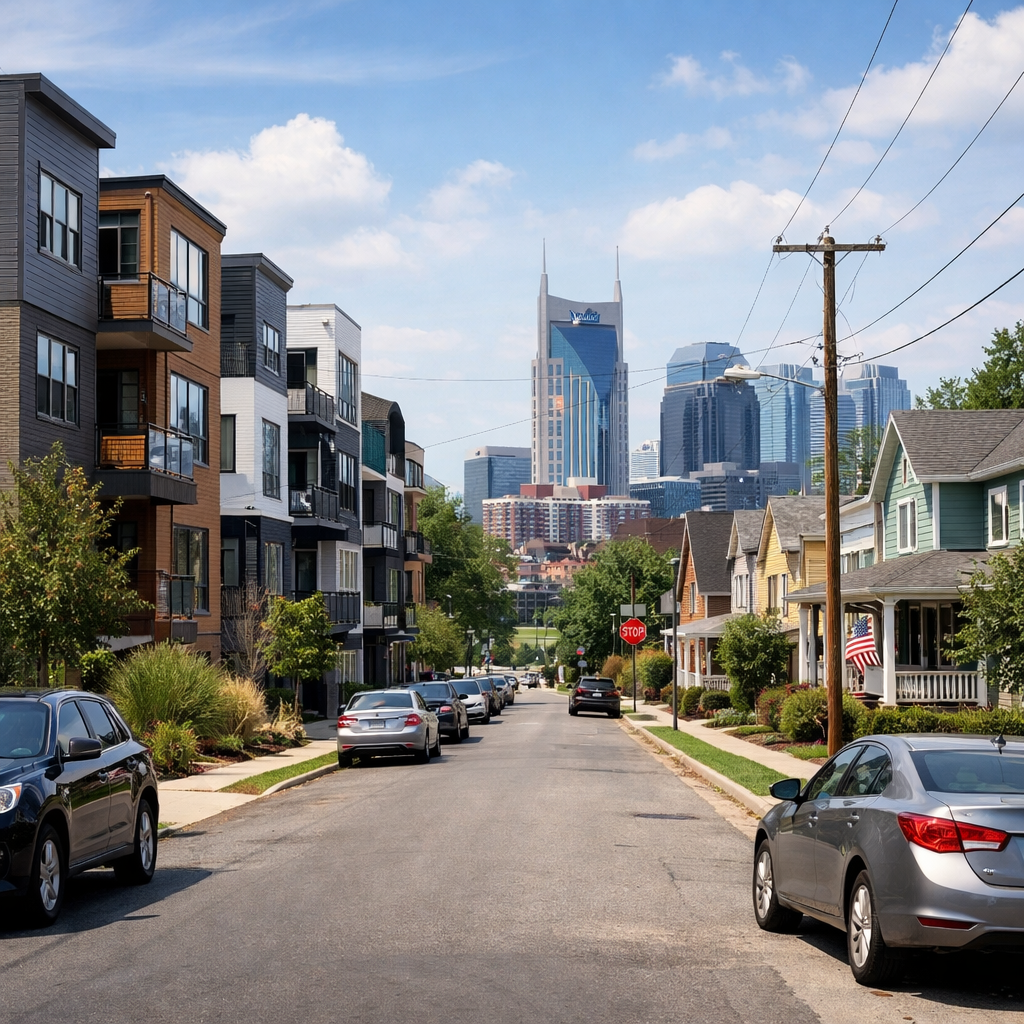
Nashvillians report feeling squeezed by growth—more traffic, higher land values, rising housing prices, and concern over changing neighborhood character. Polls show a large share of residents think growth isn’t being managed well, even as many agree growth brings benefits. Demand is rising for new development guidelines, better transit, a stronger focus on walkability, and a zoning code that supports a mix of housing types—especially in areas where infrastructure isn’t keeping pace.
The city is responding. The Housing & Infrastructure Study, recent updates to zoning discussions, and proposed public investments aim to better align growth with capacity. Plans are in motion to increase density in appropriate areas, reduce development barriers for smaller or more affordable housing types, and better invest in transit and neighborhood-level services.
Where Residents Want More—And What Still Needs Doing
- Speed and Accountability: Many feel that plans and proposals are abundant, but follow-through is inconsistent. Contracts, timelines, and progress reports are demanded.
- Equity in Service: Outer neighborhoods, lower-income areas, and historically marginalized communities continue to see lower levels of investment in sidewalks, parks, transit, and other public amenities.
- True Affordability: Temporarily affordable units are one thing, but permanently affordable housing remains scarce.
- Informed, Inclusive Planning: Improved transparency and broader participation in decisions—especially for renters, people of color, and low-income residents—are frequently requested.
For Nashville to remain vibrant and inclusive, momentum around these priorities needs both sustained public pressure and political will. City officials have started plenty of initiatives, but the gap between policy—and residents’ experience—is still seen as large. What Nashvillians seem to be asking for most is not brand-new ideas, but stronger, faster, more equitable action on the ones already in motion.