

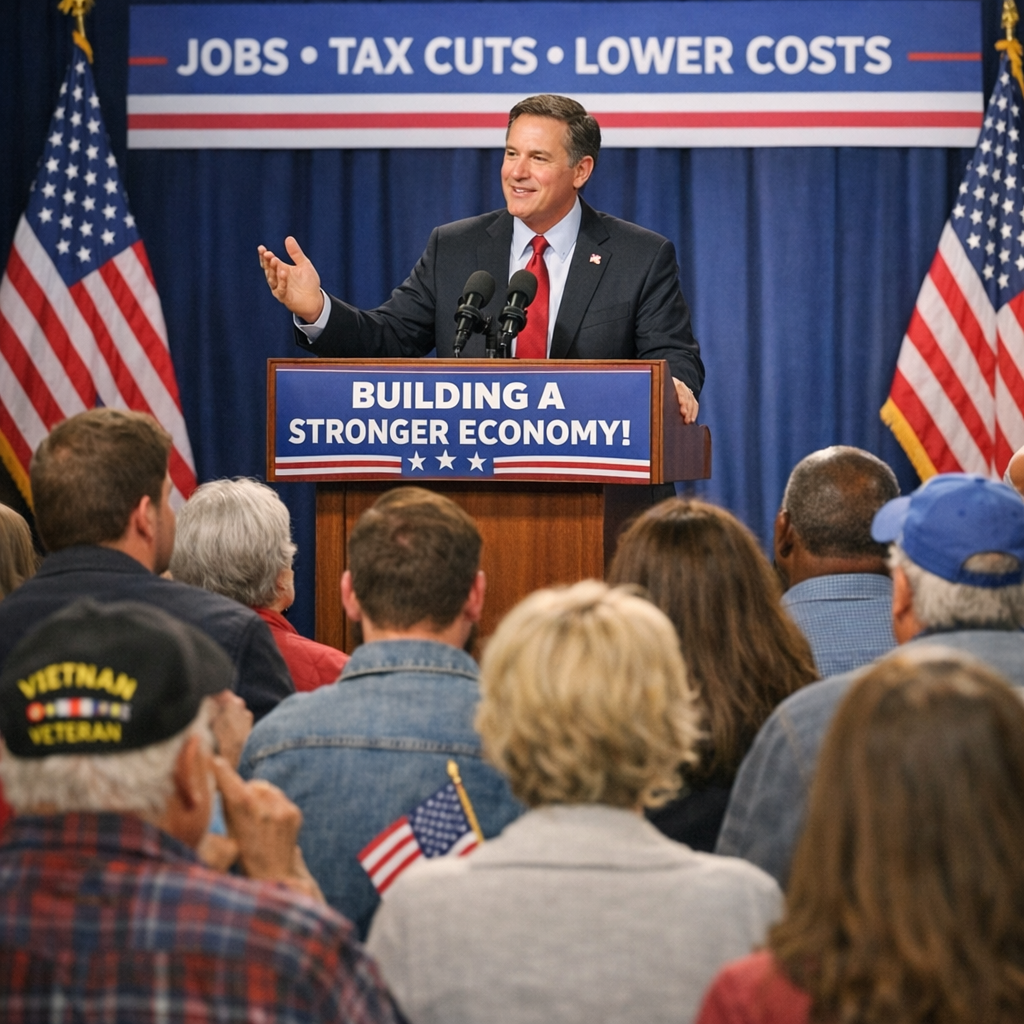
As the midterm elections draw nearer, economic anxiety is quietly becoming one of the most powerful forces in U.S. politics. Recent surveys and economic data show widespread frustration over everyday costs, uneven gains in jobs and wages, and rising doubts about when—or whether—things will improve.
Where the economy stands now
Growth in the U.S. remains modest but steady, with estimates showing around 2.0%–2.1% expansion for 2026 so far. Inflation, however, remains a key concern: general price levels continue to rise, particularly for essentials like food, housing, and energy. Although some progress has been made, many Americans feel like wage gains are being left behind.
What people are most worried about
Major national polls highlight several recurring themes. Typically, concerns cluster around health care affordability, housing costs, and everyday expenses. Fuel prices and utility bills are sharply on the rise in terms of concern—especially among those trying to make ends meet. Also gaining attention: the growing unease over newer economic pressures such as the role of automation and AI, and how these will affect jobs and living costs.
Politics and the midterms: economic issues in the spotlight
Cost of living and inflation are now among the top issues voters want congressional candidates to address. Beyond that, many view the midterms as a referendum on current economic conditions. Polls show an increasing number believe that policies under the presidential administration have made things worse, and this sentiment crosses party lines. Voters are considering not just what is being done, but who they trust more to fix things.
Can leadership respond—and what’s at stake?
Experts suggest the window for decisive action is narrowing. Inflation tends to be slow-moving, and many solutions require sustained effort over time. For leaders, this means any short-term fixes need to feel tangible—relief on medical bills, energy subsidies, or direct help with housing costs. Political parties and candidates that clearly lay out credible plans for reversing these trends may gain ground. Those that don’t risk being perceived as out of touch.
For voters in Nashville, Tennessee, these national economic pressures are also personal—rent and mortgage payments, energy bills, the cost of groceries are only part of larger concerns about opportunity, fairness, and stability. As political debates over taxes, trade, and regulation heat up, it’s likely that economic issues will remain the terms on which many decide.