

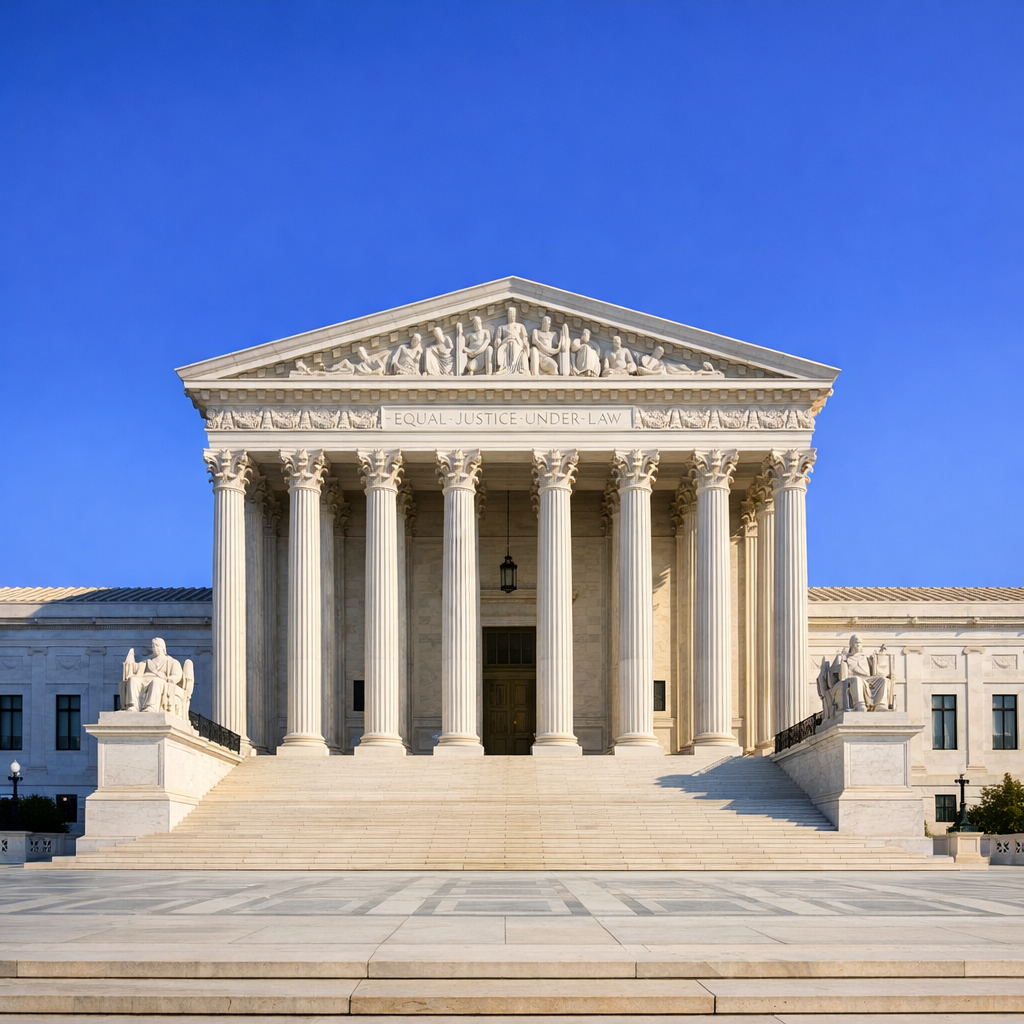
WASHINGTON — There’s a lot happening right now on America’s national stage, especially in how the courts, the economy, and political power are shifting. For folks in Nashville and beyond, these changes aren’t academic — they affect job markets, civil rights, and the limits of power at the federal level.
Major Supreme Court rulings reshaping executive authority
The Supreme Court wrapped up its term with several landmark decisions that have real implications for presidents and citizens alike. One ruling preserved long-standing birthright citizenship by blocking a presidential order that had tried to deny citizenship to children born on U.S. soil, regardless of their parents’ immigration status. Another clarified that a president cannot remove a Federal Reserve governor without following due legal process. Meanwhile, justices cut back restrictions on political party spending, overturning certain campaign finance limits. These decisions reflect both strong conservative influence at the court and a growing assertion of executive and legislative boundaries.
Economic landscape: Inflation, jobs, and rate pressure
On the economic front, the U.S. has seen cooling inflation through mid-year, but core inflation—excluding food and energy—remains higher than many had hoped. The Fed is watching closely: if measures don’t come down soon, there’s a strong chance interest rates could rise again. Jobs growth has resumed but at a tepid pace, and unemployment remains low. Still, wage growth has softened and labor force participation isn’t bouncing back quickly.
What this means for people in Nashville
- Home prices, rent, and essentials: With sticky inflation in core goods and housing, families feel the squeeze on non-discretionary costs—rent, groceries, services—while interest rates affect everything from mortgages to car loans.
- Civic rights and civic impact: Changes in court rulings on voting, campaign finance, and agency power matter locally. Local laws and how folks vote could be influenced by federal decisions about what powers are reserved to Congress or executive agencies.
- Labor market shifts: Employers are hiring again, but not at the pace of past recovery periods. Wages may not keep up with cost-of-living pressures, especially in sectors outside tech or healthcare. Nashville workers may see slower income growth compared to expenses.
Looking ahead: key areas to watch
Federal Reserve pronouncements, upcoming Supreme Court terms, and Congressional activity on issues like tariffs, immigration, and agency oversight will likely drive what policies land. Add-growing concerns over technology, health costs, and global supply chains, and it’s clear: the rules of economic and political engagement are being tested.
For those of us in Nashville trying to make sense of national policy, the takeaway is that what happens in Washington doesn’t stay in Washington. Rates, court decisions, and federal power shift how we live, vote, and earn.