

By William Thompson
Climate & Seasons: What Nashville Typically Experiences
Nashville falls in the humid subtropical climate zone. That means hot, muggy summers and winters that are cool—but generally mild. Average high temps reach the low 90s°F in July; January nights usually dip into the upper 20s to low 30s°F. Annual precipitation totals are around 50–55 inches, fairly well-distributed though spring tends to be the wettest season while late summer and autumn are relatively drier. Snowfall is light for most years—averaging just a few inches. The city also sees about 13 days each year with severe weather reports such as hail, damaging winds, or tornadoes.
Changes We’re Already Seeing
Over the past few decades, Nashville and broader Tennessee have begun experiencing shifts tied to climate change. Average temperatures are rising, especially in summer. A few winters now pass without many nights dropping below freezing—something far less common several decades ago. Alongside heat, rainfall patterns are growing more erratic. Extreme rainfall events, including flash floods and storms, are becoming more frequent.
Health & Heat Risks
During hotter, more humid days, heat stress becomes more than just discomfort. Humid heat amplifies risks for folks who work outdoors, have underlying health conditions, or lack access to cooling. Mosquito activity tends to increase when heat and moisture rise, raising concerns about vector-borne illnesses.
Storms, Flooding, and Disruption
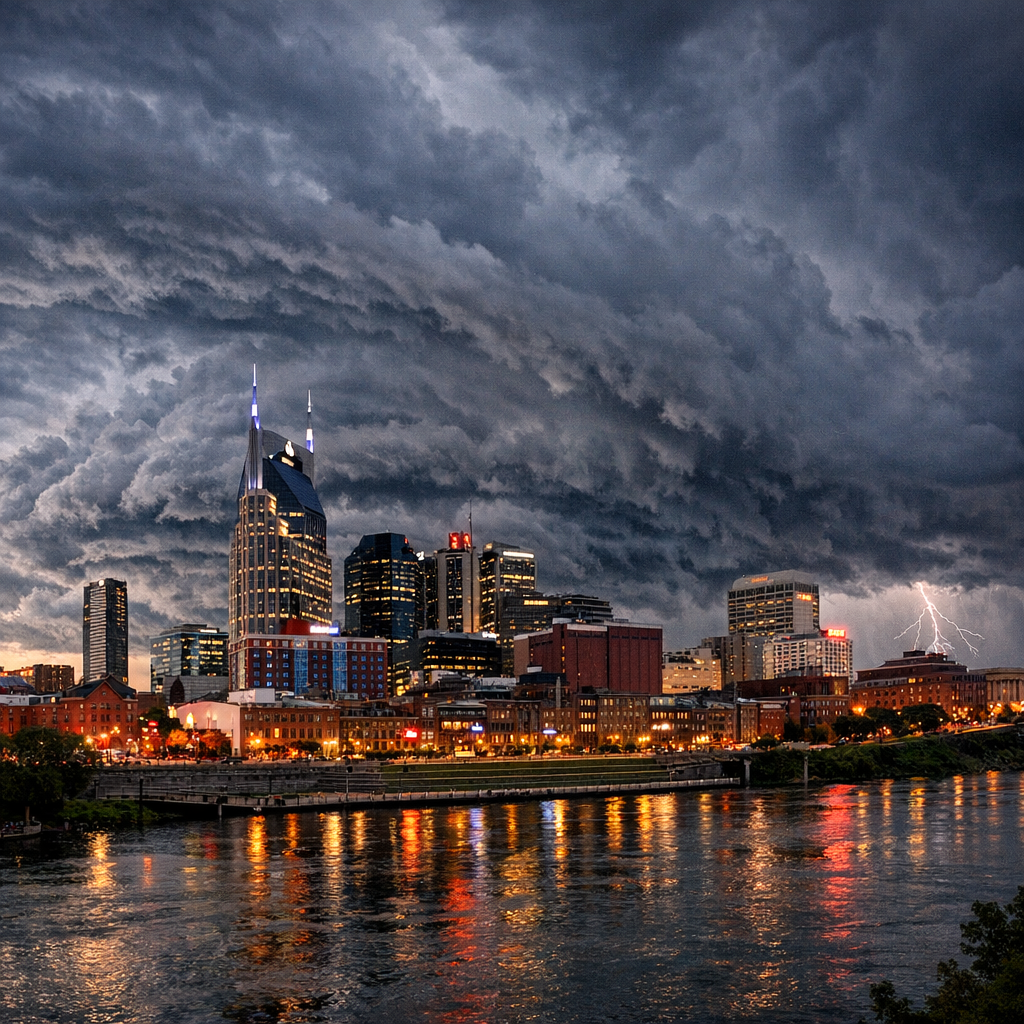
Nashville’s geography and growing urban area make intense rainfall and flash flooding more likely. Storms that once seemed rare now hit with greater frequency and intensity. As stormwater overwhelms older infrastructure, neighborhoods—especially along waterways—see flood risk rising.
What’s Being Done—and What We Can Do
The city’s Climate Adaptation and Resilience Plan lays a framework for responding to these threats. It addresses vulnerabilities in natural systems, public infrastructure, and emergency preparedness. Sectors such as transportation, energy, green infrastructure, and public health all feature in ongoing efforts.
- Planting more trees and expanding shade in neighborhoods can help reduce urban heat island effects.
- Upgrading drainage and increasing permeable surfaces can ease flooding stress.
- Reducing emissions—especially from vehicles and buildings—helps curb warming and air quality deterioration.
- Staying informed: monitoring air quality alerts and participating in community preparedness efforts.
Why This Matters Year-Round
While many think of climate change or severe weather as distant or seasonal concerns, here in Nashville they affect our daily lives—from comfort in summer to storm preparedness in spring and even heating costs in winter. Understanding the rhythms of our climate—and how they are shifting—helps all of us plan, protect our homes, and care for our neighbors.
We’ll continue tracking these trends here: from weather events to long-term shifts, from heat waves to nature’s response in our parks and creeks. Let’s stay ready together.