

As the seasons shift in Middle Tennessee, Nashville’s weather and environmental patterns pose both opportunities and challenges. From soggy springs to sweltering summers and chillier winters, our climate—humid subtropical—shapes how we live, garden, build, and plan for the future. This article explores what Nashville residents can do now to support environmental health and climate resilience.
Understanding Nashville’s Climate Trends and Impacts
Nashville typically experiences hot, humid summers, mild winters, and abundant precipitation—averaging close to 48 inches per year. Our clay-rich soil helps with certain native plant species but also poses challenges for drainage and root growth. Because of frequent heavy rains and extensive impervious surfaces in developed areas, runoff and soil erosion are ongoing problems. Careful management of vegetation, soil cover, and water flow helps reduce flood risk and improve water quality.
Tree Canopy: A Vital Shield
More than half of Nashville’s area is covered by tree canopy, which delivers essential services: shade that mitigates summer heat, root systems that reduce erosion, and foliage that filters air and water pollutants. However, our canopy is shrinking—between 2016 and 2021, Nashville lost nearly 700 acres of tree cover in key urban zones. Maintaining existing trees and expanding possible planting spaces are two critical steps to reinstate lost ecological balance.
Landscaping with Native Plants for Lasting Benefits
Native species are adapted to our region’s soil types, rainfall patterns, and seasonal temperature shifts. They usually need less water, fewer fertilizers, and fewer chemicals—saving time and money while benefiting nearby waterways and wildlife populations.
Smart Choices and Rain-Friendly Yards
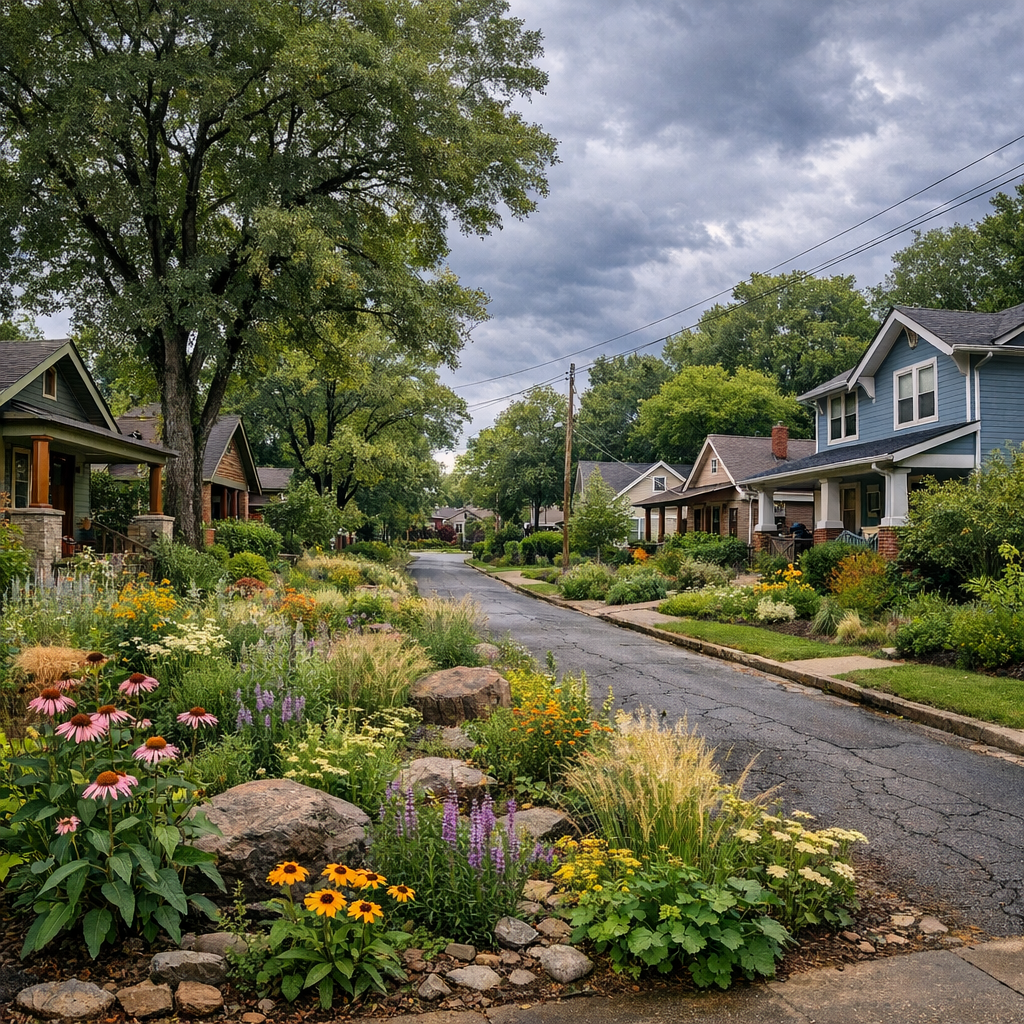
If your yard tends to stay wet—after heavy rain or in flats—consider plants like the swamp white oak. It tolerates poorly drained soil and offers robust canopy, habitat, and shade. In drier, sun-exposed areas, plants such as coneflower, black-eyed Susan, Joe-Pye weed, and Virginia sweetspire thrive and support pollinators. These choices not only enhance biodiversity but also help capture stormwater and reduce runoff into streams and rivers.
Combatting Invasive Species and Promoting Diversity
Some plants brought in for landscaping or erosion control have become invasive—crowding out native species, reducing habitat diversity, and altering soil and water quality. In Nashville, common invasives like Japanese honeysuckle and privet are still widespread. Identifying and replacing them with native alternatives helps restore ecological balance and strengthens the resilience of local ecosystems.
Citywide Strategies & Personal Actions
At the city level, Nashville has launched initiatives such as the “Root Nashville” campaign aiming to plant hundreds of thousands of trees, as well as a new Ecological Conservation Strategy focused on natural spaces, watersheds, and green infrastructure. These plans recognize that environmental stewardship must scale up to match urban growth and climate pressures.
At home and in neighborhoods, there’s plenty we can do: adopt no-mow practices in parts of the yard to reduce fuel use and improve soil structure; install rain gardens or permeable ground surfaces; avoid heavy use of fertilizers and pesticides; support native plant sales or get involved in volunteer habitat restoration projects.
Looking Ahead: Resilience Means Conservation
Seasonal changes are part of life here in Nashville—but they are getting more extreme. Heatwaves, more intense downpours, and fluctuating freeze-thaw cycles are likely to become more common. Building resilience through thoughtful planning, landscaping, and conservation is no longer optional.
By choosing native plants, protecting and expanding tree canopy, and managing land and water intelligently, residents and local government can work together to build a healthier, greener, and more resilient Nashville.
— William Thompson