

By William Thompson
Nashville is undergoing an important transformation in how we manage our weather, environment, and climate resilience. From strengthening tree cover to safeguarding rivers and preparing for extreme weather, the city and its communities are taking steps to keep our region healthy, livable, and climate-ready.
Tree Canopy: Gains, Losses, and Opportunities
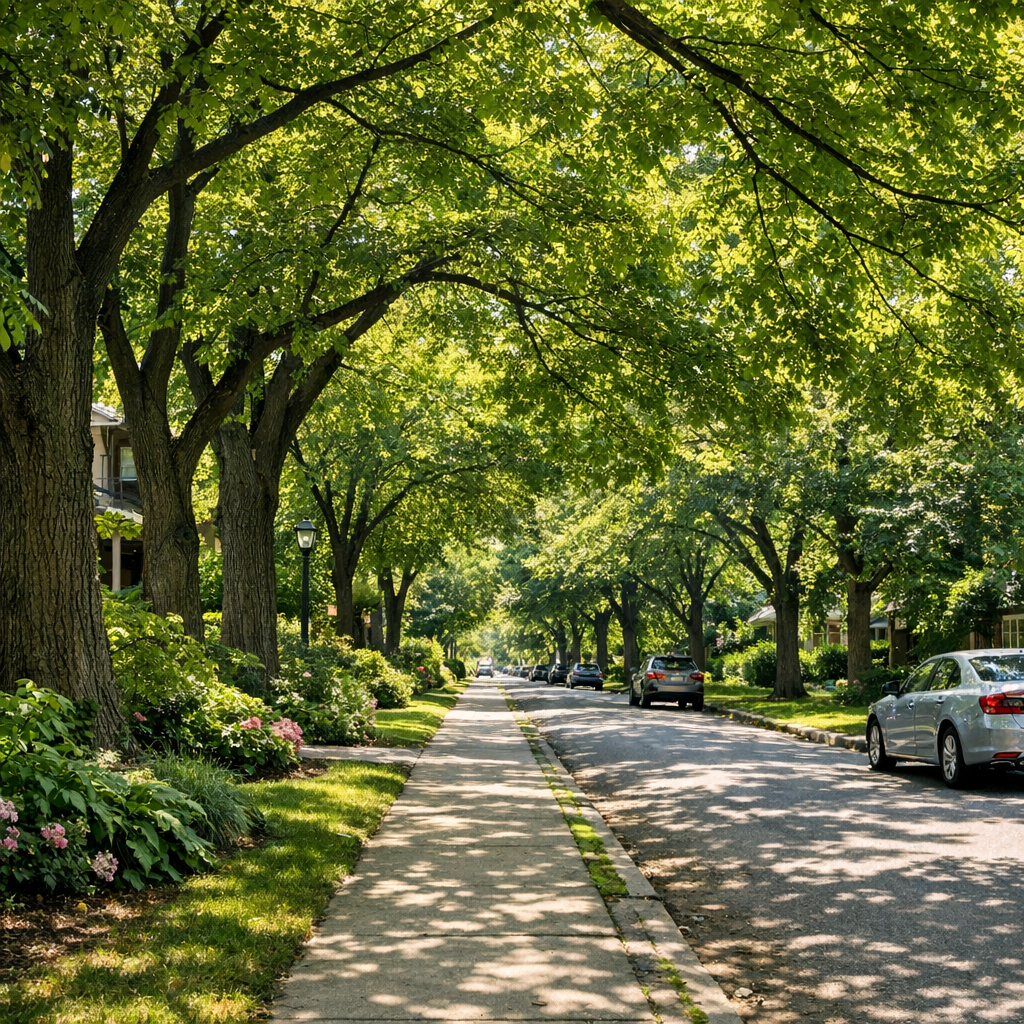
A recent Metro Nashville assessment found that about 56% of Davidson County’s land is currently covered by tree canopy, with an additional 23% of land suitable for planting new trees. However, between 2016 and 2021 alone, the city lost roughly 674 acres of tree cover and saw concentrated “net loss” in urban transects where development is dense. Impervious surfaces — roads, parking lots, rooftops — now make up 17% of city land, presenting challenges for heat retention, stormwater runoff, and air quality.
Root Nashville, an initiative led by Metro and the Cumberland River Compact, has set a bold goal: plant 500,000 trees across Davidson County by 2050. Neighborhoods can get involved by ordering free trees, volunteering with planting crews, or sponsoring maintenance. Meanwhile, the Nashville Tree Foundation works year-round planting and caring for trees, especially in underserved areas. These efforts aim to reduce heat, improve public health, and enhance our natural landscapes.
Water, Rivers & Watersheds Under Pressure
Across Tennessee, changing climate patterns are affecting rainfall and drought cycles. Heavier rain events are becoming more common, even though some seasons show diminished overall rainfall. This puts strain on waterways and infrastructure that weren’t built to handle sharp spikes in stormwater. Rivers like the Cumberland and Duck serve as vital sources of recreation and drinking water, and their health reflects how well we’re managing land use, runoff, and pollution risks. The Duck River Watershed Planning Partnership recently rolled out recommendations addressing drought management, water loss, and conservation efforts for counties stretching south of Nashville.
Planning for Climate Resilience
Nashville’s new Climate Adaptation and Resilience Plan was adopted to guide how the city responds to risks like intense heat, severe storms, and flooding. Acknowledging that climate change already acts as a risk multiplier, the plan focuses not just on reducing greenhouse gas emissions, but on adapting our infrastructure, natural spaces, and public services so communities can weather future challenges. Equitable outcomes are a central goal — ensuring that neighborhoods most exposed to urban heat and flooding get the resources they need.
What You Can Do
- Participate in local tree plantings or apply for shade trees for your property.
- Support green infrastructure like rain gardens, permeable sidewalks, or rain barrels to reduce stormwater runoff.
- Stay informed and give feedback on public plans like the Ecological Conservation Strategy — speaking up at community meetings helps shape priorities.
- Take simple steps at home: conserve water, manage compostable organic waste, and choose native plants that help our local ecosystems thrive.
As Nashville continues to grow, balancing development with environmental protection will be critical. Our weather patterns are shifting, but how we plan and act can make a difference — for cooler streets, cleaner water, and a resilient community that weaves green into the heart of the city.