

By Emily Johnson
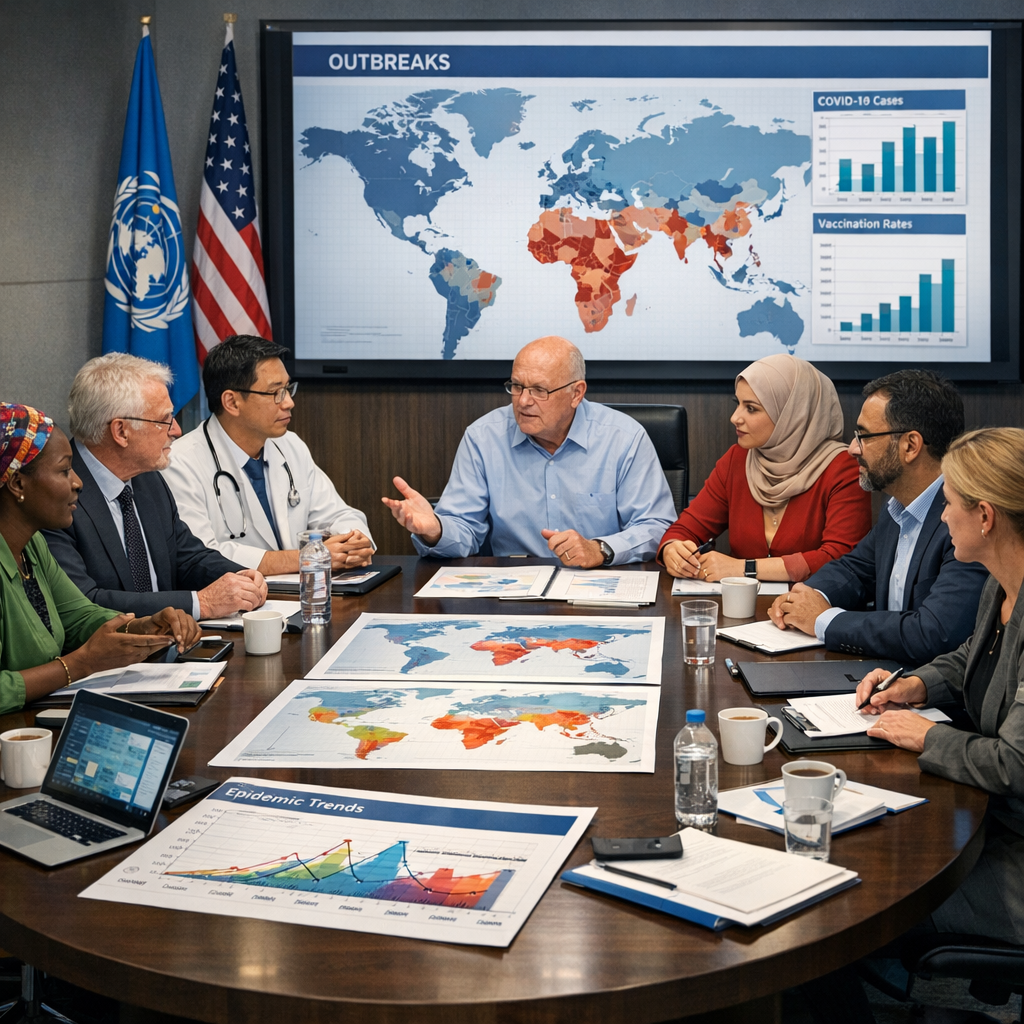
Key forces are in motion globally to reform how the world handles health crises. At the center of these changes is a newly launched process to reshape the Global Health Architecture (GHA), putting nations, health bodies, and communities on stronger footing against future pandemics, outbreaks, and inequity.
Why reform is needed
Over the past decades, international health interventions have achieved impressive results—but complexity has grown alongside. Multiple initiatives, organizations, and funding streams have emerged, sometimes overlapping or pulling focus away from country-level needs. Resource-constrained nations often struggle to navigate this maze, which can lead to inefficiencies and slow responses.
In May, WHO members agreed on a one-year, nation-led, WHO-hosted joint process to evaluate and reform how global health institutions collaborate. Stakeholders include UN bodies, regional health agencies, and leading funders. Goals: clearer roles, better coordination, and aligning support with the priorities of countries themselves. This is not just about speed—it’s about fairness. Health systems often most threatened by shortages have limited voice in setting priorities; reform aims to change that. WHO decision EB158 also points to ongoing initiatives from civil society and governments exploring new governance approaches. Areas under consideration include streamlining existing structures and reducing duplication.
Core priorities under discussion
1. Clearer division of responsibilities
One frequent criticism is that many global health actors duplicate work or compete for attention and funding. Part of the reform is to map out what each organization does best—whether it’s epidemic surveillance, vaccine distribution, or research—and ensure roles are complementary rather than redundant.
2. Alignment of funding with local needs
Traditional grant models often miss the mark on what communities on the ground truly need. The new approach calls for more “demand-driven” support—where countries themselves help set priorities—and ensures financing (both domestic and international) follows through, not only in emergencies but in building long-term capacity.
3. Improving coordination across levels
Reform efforts emphasize connecting global, regional, and country-level health structures. One goal is to make sure that global policies are responsive and adaptable, so regional agencies and local clinics aren’t left scrambling when international plans change.
What this could mean for Nashville and beyond
Though the discussions are international, there are real local implications. When global health systems function better, resources like vaccine research, epidemic preparedness, and supply chain support become more reliable and equitable. Tennessee institutions may benefit from smoother collaboration in federated health emergencies or in contributing to global research and development. Non-profits and universities in the area may find opportunities to partner more directly with international efforts.
For citizens here, stronger architecture means better readiness to control spread of diseases, access to emerging treatments, and more control over how public health advice reaches vulnerable or underserved groups.
What challenges lie ahead
Big reforms don’t come easily. Key tensions include balancing national sovereignty with cohesive global strategies, ensuring funding commitments match reform rhetoric, and avoiding governance models that favor powerful nations over less resourced ones. Vetting new roles and structures takes time—and testing new mechanisms may stall when crises demand immediate action.
Looking forward
The joint process launched in 2026 gives member states one year to propose recommendations. That timeline means changes may arrive gradually, with visible shifts over the coming months. The hope is for a system where every country—not just the wealthiest—has influence, support, and dignity at the core of global health responses.
Global health reform is a task born of hard lessons—the goal is not just surviving the next crisis, but building a framework where countries are ready, resilient, and responsible partners in safeguarding health for all.