

By Sophia Anderson
Nashville’s transportation landscape is changing. Thanks to the voter-approved Choose How You Move (CHYM) initiative, the city is pushing ahead with projects that aim to improve walkability, transit reliability, and street safety.
What CHYM Is Building
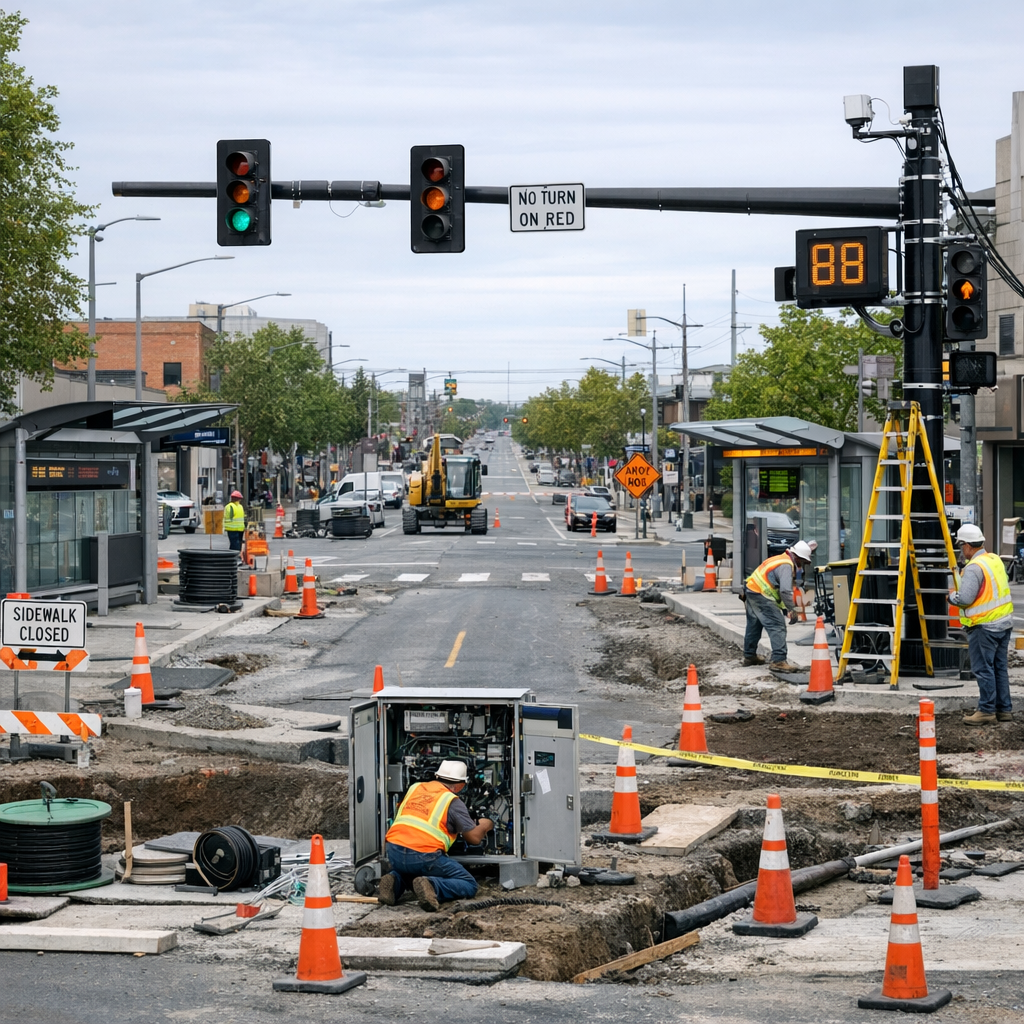
CHYM isn’t just talk: in its first year, more than $163 million in infrastructure and transit projects moved from planning to construction. Key areas of focus include:
- Sidewalks. The city is filling gaps in sidewalks to better connect neighborhoods, schools, and transit stops — especially for people walking or rolling.
- Signals. Upgrades to fiber networks and “smart” traffic signals are underway on major corridors. These aim to smooth traffic flow and make commuting more predictable.
- Transit service. Expect longer hours, more frequent buses, and expanded zones for options like WeGo Link and WeGo Access.
- Safety features. Initiatives like bus queue jump lanes—designed to help buses move ahead through busy traffic—are being installed in high-traffic routes like Murfreesboro Pike.
Making Streets Safer
Traffic fatalities have spurred urgency. So far this year, more than 60 people have died in fatal crashes, including at least 18 pedestrians, highlighting the need for safer streets. Concrete barriers, raised crosswalks, and other traffic-calming features are being added in key neighborhoods. Drivers, pedestrians, and cyclists alike are watching these changes closely as they take shape in daily travel.
Challenges and Community Questions
Updating infrastructure citywide is complex. Construction disrupts traffic; adjustments raise concerns about accessibility, cost, and funding equity. East Nashville and communities east of the Cumberland River — areas long cited as underinvested — are watching closely to see if CHYM delivers improvements on par with other parts of town.
Some residents wonder how these projects will be maintained long-term, and whether funding will keep up with expansion, upkeep, and adaptation. Transparency in timelines and clear communication from Metro departments are key.
Why It Matters
These aren’t just civic vanity projects. Better sidewalks and signals influence daily routines: making it safer to walk kids to school or wait at a bus stop, easing traffic for commuters, and taking pressure off cars. In broader terms, it’s about ensuring mobility is more inclusive, sustainable, and resilient as Nashville grows.
What to Watch Next
- New transit hubs opening to underserved neighborhoods.
- Expanded evening and weekend service for WeGo Access and Link zones.
- Communities east of the river getting infrastructure fixes and pedestrian safety additions.
- Public reporting on traffic fatalities and how safety measures are affecting accident rates.
Change takes time — but if CHYM keeps its promises, we’ll see Nashville becoming a more connected city, where every neighborhood has safer options to move and thrive.