

By Daniel Rodriguez
Nashville’s economic story is changing. Once best known for country music and tourism, our city is now building strength in healthcare, tech, finance, and manufacturing. For locals—entrepreneurs starting businesses, workers looking for opportunity, or companies scaling—these shifts present both chances and challenges.
Local Business Support: New Programs Are Afoot
City leadership has recently introduced several initiatives aimed at reinforcing small and legacy businesses—those with deep roots and strong community identity. A new Legacy Business Program will help businesses that have operated in Nashville for 15 years or more with grants for marketing, infrastructure upgrades, and cost-saving improvements. At the same time, the Workforce Advancement Incentive Program provides up to $10,000 for small businesses to recruit and retain qualified employees by investing in skills training. And the expanded Property Investment Incentive now covers commercial buildings valued up to $2 million with matching grants for interior and exterior improvements.
Employment Trends: What the Numbers Show
The Nashville metro area continues to see job growth, though with some moderation. The region added around 2,000 jobs in one recent month—a smaller gain than previous months, but consistent with longer-term averages for job gains across the metro area. The unemployment rate remains low, typically between 2.7% and 3.5%, indicating that most people who want work are able to find it.
Wage data paints a mixed picture. Mean hourly wages in Nashville are slightly below the U.S. average in many fields. Higher-paying roles—management, legal work, and healthcare—still lead locally; but jobs in food service, personal care, and cleaning work are some of the lowest-paid occupations in the region.
Key Industry Drivers and the Shifting Business Landscape
Nashville’s economy is diversifying. Major industries like health care, advanced manufacturing, and finance are expanding alongside tech and creative sectors. Large national firms and employers continue to invest in the region, drawn by our growing workforce and relatively lower cost of living compared to many coastal cities.
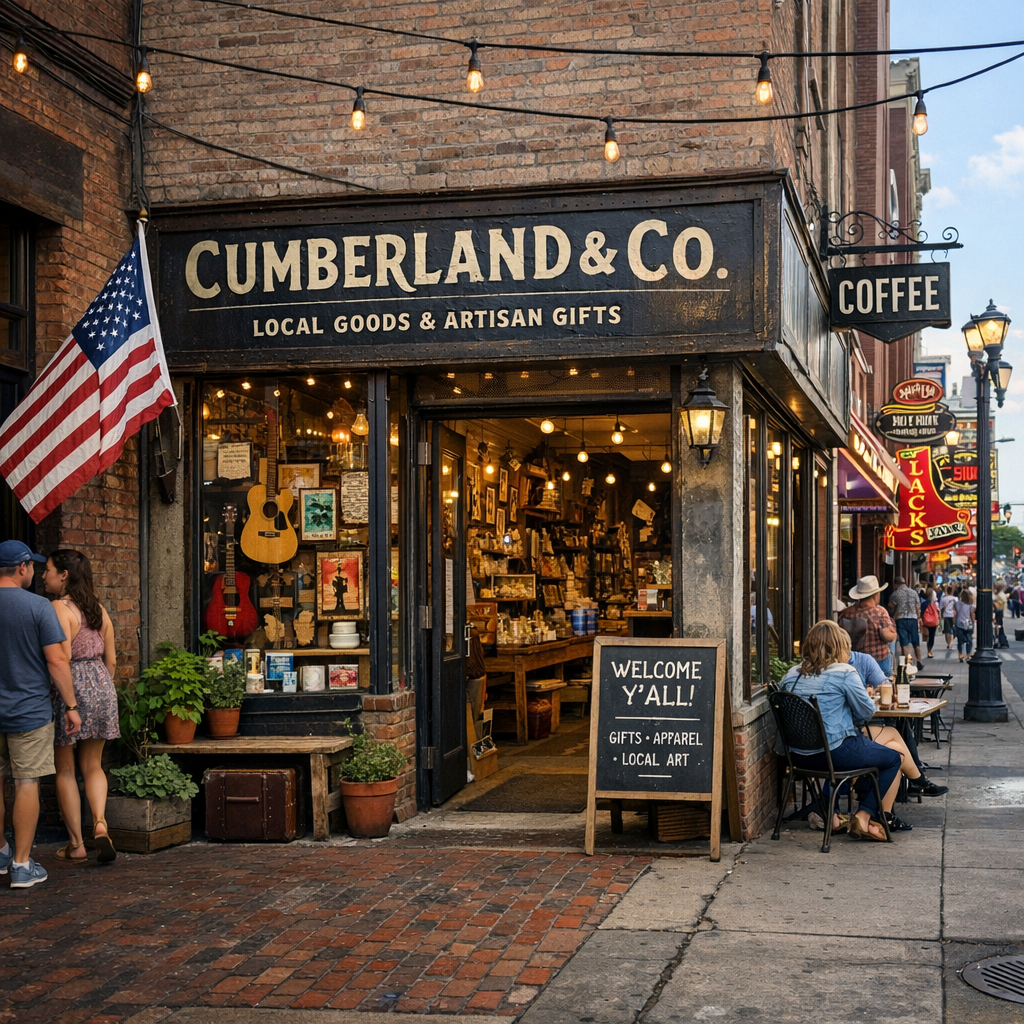
At the same time, smaller-scale businesses—restaurants, artisanal shops, and services tied to neighborhood life—remain essential. These businesses anchor local identity and offer entrepreneurial paths for many Nashvillians. The new policies around grants and incentives are trying to ensure that both big and small players can thrive.
Challenges and What’s Still Needed
Rising costs—property taxes, commercial rents, construction materials—have squeezed margins for many local business owners. Workforce development remains a concern: gaps in training, certification costs, and competition for skilled labor make hiring and retention harder.
Neighborhoods facing rapid growth are seeing pressure from escalating property values and displacement risk. Ensuring that long-established community businesses can stay alive in changing areas is not just an economic issue—it’s a question of keeping Nashville’s character alive.
Takeaways for Entrepreneurs, Workers, and Policymakers
- Entrepreneurs: Explore the new grant programs and incentives—they offer real assistance with infrastructure, marketing, and training.
- Workers: Skills in health care, tech, advanced manufacturing, and managerial roles are increasingly in demand and tend to offer higher compensation.
- Policymakers: Balancing growth with affordability will be key. Supporting legacy businesses, investing in workforce development, and maintaining mixed-use neighborhood environments can help.
Nashville is growing—but how we support that growth matters. By combining targeted support for the small and the new with long-range planning around affordability and workforce development, we can build a more inclusive and resilient economy.