

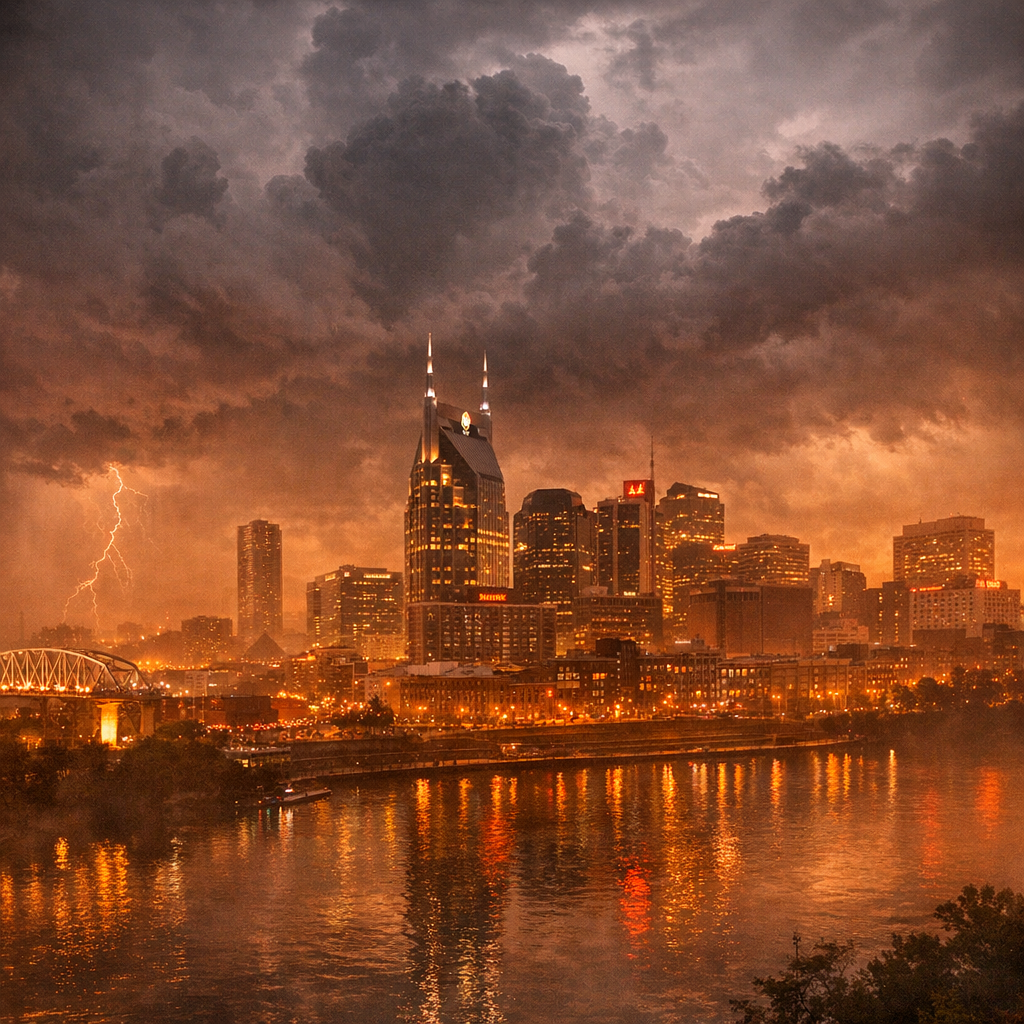
Hello, I’m William Thompson, bringing you insights into how Nashville’s weather and environment are evolving—and why it matters for our daily lives.
Warming Winters and Longer Seasons
Over the past several decades, Nashville has experienced noticeably warmer winters and a growing season that has extended by more than a month. Frost days have dropped significantly, and many of the coldest days of the year—when temperatures stay near or below freezing—are far less common. These changes mean that plants bloom earlier and insects may emerge sooner, which can reshape gardens and natural ecosystems around us. Evidence shows that average winter highs have risen substantially in recent years.
Rainfall Shifts: From Steady to Stormy
Nashville’s rainfall has long had a rhythm: wetter in winter and spring, a secondary peak in summer from thunderstorms, and generally drier in the fall. But now we’re seeing two concerning shifts. First, rain is coming in heavier bursts—storm systems that dump more in a short time. Second, during summer and early fall, drought-like conditions—sometimes flash droughts—are becoming more frequent due to increasing heat and evaporation.
Heat Waves and Urban Effects
Heat waves are becoming longer and more frequent here. Nighttime temperatures—often cooler—don’t drop as much as they used to, especially in urban neighborhoods. The “urban heat island” effect amplifies this: concrete, asphalt, and dense development trap heat, making some parts of Metro Nashville significantly warmer than surrounding rural areas after sunset.
Why These Changes Matter
• Public Health: Longer allergy seasons and more heat stress during summer can affect respiratory and cardiovascular health.
• Agriculture & Gardens: Plants may need different care—warmer winters can trick crops into earlier growth, while late frosts may still pose a threat.
• Flooding Risk: Heavier downpours increase the risk of flash floods and overwhelm drainage systems.
• Wildlife & Ecosystems: Species adapted to older climate patterns may struggle to keep pace with shifts in temperature and moisture timing.
What Nashville Is Doing—and What You Can Do
The Metro Nashville Climate Adaptation and Resilience Plan lays out strategies to protect infrastructure, improve stormwater systems, and engage communities in emergency readiness. On a personal level, you can help by planting native vegetation, managing water runoff on your property, checking cooling efficiency in your home, and staying alert during extreme weather.
While climate change impacts are complex and sometimes unpredictable, understanding these ongoing shifts—warmer winters, altered rainfall, increased heat—can help us adapt, stay safe, and preserve the natural beauty that makes Nashville our home.