

By Emily Johnson
Why Global Conflict Is Increasing
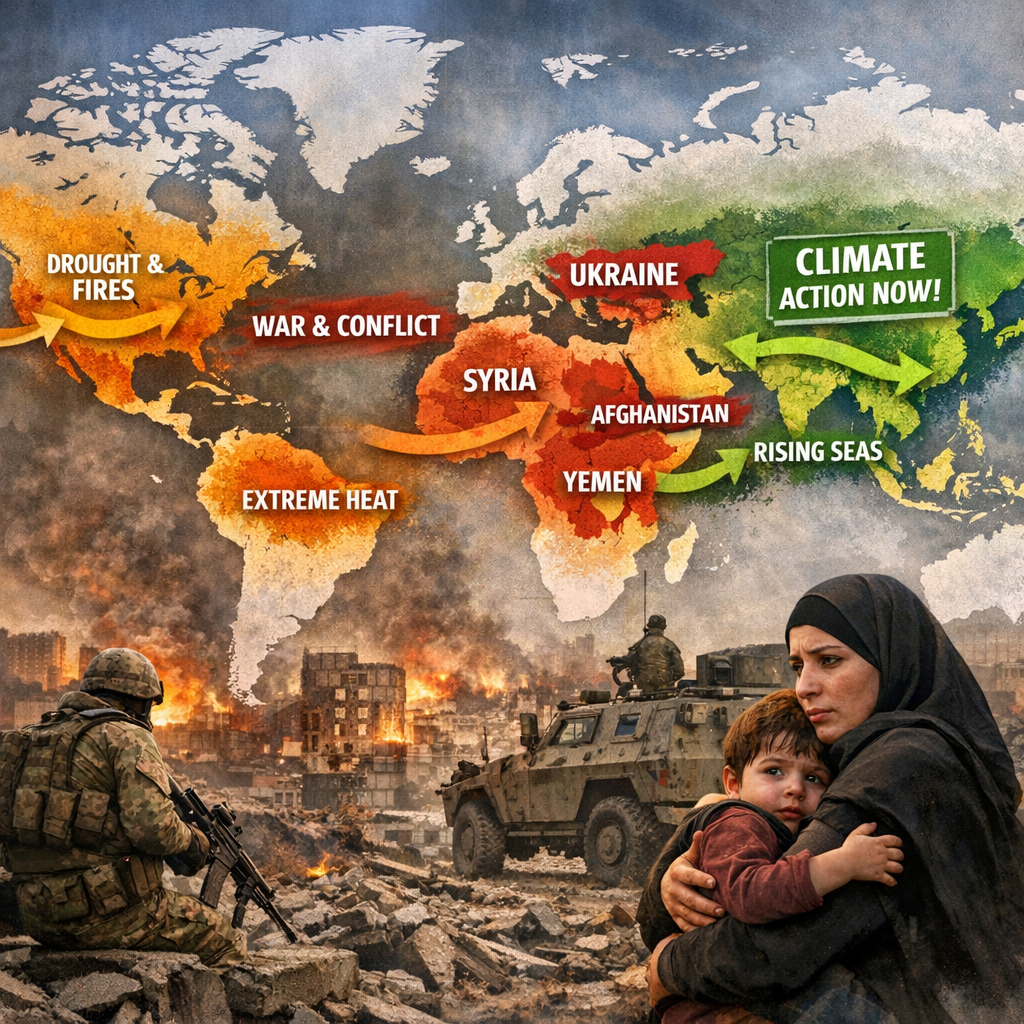
Recent research highlights a troubling surge in global violence. In 2025 alone, there were 65 active state-level conflicts across 35 countries—levels not seen since the mid-20th century. More than 255,000 battle-related deaths, including many civilians, have been recorded. Some conflicts—like those in Ukraine, Gaza, and Sudan—have accounted for much of this toll.
One striking trend: violence against civilians has risen sharply. So-called “one-sided violence”—targeted attacks where civilians bear the brunt—jumped dramatically, especially in places like Sudan.
This uptick in lethal conflicts deepens regional instability, triggers humanitarian crises, and carries implications for economies, migration flows, and global supply chains.
The Middle East: A Region Under Strain
The Middle East continues to be a focal point of conflict as states, militias, and regional powers engage in escalating violence. Tensions in and around the Strait of Hormuz have disrupted shipping and oil transit, while disputes involving Iran, Saudi Arabia, Yemen’s Houthis, and various other actors have created multiple, overlapping fronts of conflict.
Efforts at mediation and ceasefire talks are underway, but underlying issues—military strategy, governance, territorial control, and humanitarian protection—remain deeply contested. Civilians in conflict zones face repeated hardship, displacement, and risk.
Climate Cooperation: Progress and Gaps
While conflicts grab headlines, equally consequential developments are happening on climate diplomacy. Global forums continue working to turn high-level pledges into practical steps. Since the last major climate conference, nations committed to tripling finance for climate adaptation, and new mechanisms were introduced to help align financial flows toward resilient development.
Still, experts caution that cooperation is falling short of what’s needed. Ambitious goals often outpace the capacity to implement them—especially in infrastructure, technology, and equitable support to vulnerable countries.
The message is clear: the more the world can strengthen international cooperation—especially in clean energy deployment, renewable infrastructure, and shared climate risk—the better positioned we will be to reduce climate-related harm and stabilize global systems.
How These Trends Matter in Nashville and Beyond
Conflicts thousands of miles away still affect us. Disruptions in oil shipping can ripple into fuel prices here at home. Refugee crises impact global migration patterns, influencing policies and community response efforts. And climate impacts like extreme heat, water stress, and changing growing seasons reach us whether or not our city is directly involved in international negotiations.
Understanding global conflict and climate cooperation isn’t just for experts—it helps all of us gauge risk, opportunity, and our shared responsibilities in an interconnected world.