

By Daniel Rodriguez
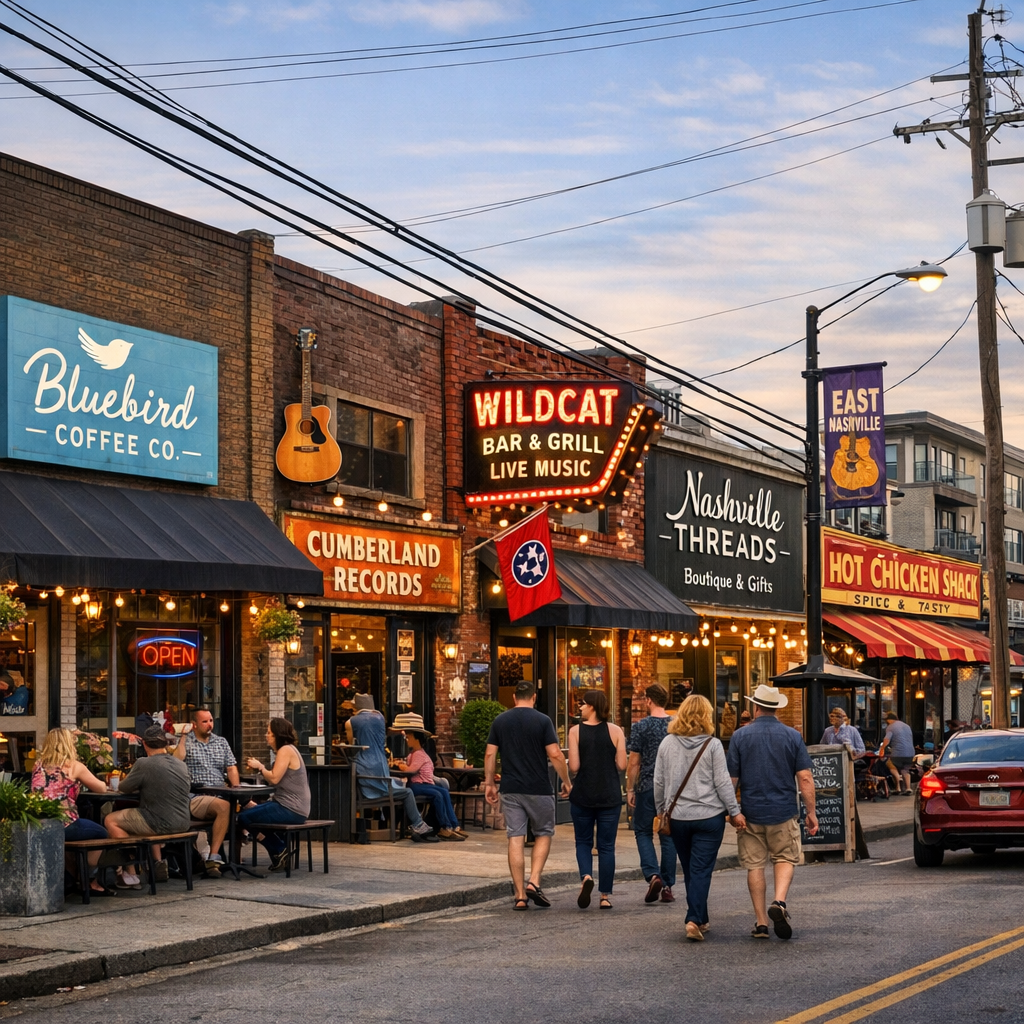
Nashville’s small businesses and entrepreneurs are more than just contributors to the economy—they’re part of the city’s character. From vibrant storefronts on 12South to minority-owned ventures spread across neighborhoods, local businesses are both thriving and under pressure. To understand where Nashville stands and what needs to happen next, let’s look at the economic trends and practical steps that matter most.
Signs of Growth and Opportunity
Job creation is holding steady: in June 2026, Nashville added around 2,000 jobs. Though that’s down from higher gains earlier this spring, it reflects ongoing demand and resilience amid inflation and uncertainty. Nonfarm wages and salaries are rising, and investment in tech—especially artificial intelligence—and data centers is helping diversify the local economy. Vacancy rates in commercial real estate are ticking up, especially where speculative development has outpaced demand, but rents overall continue to increase.
Challenges Small Businesses Are Facing
Despite the momentum, many entrepreneurs—especially minority and immigrant founders—still run into systemic barriers. A recent study found that the issue isn’t a lack of resources: support programs, capital sources, and incubator opportunities already exist in Nashville. The problem is visibility and connections. Many small business owners either don’t know about these resources or aren’t sure how to navigate them. Programs too often disappear just as momentum builds.
Another concern comes from exploding property tax bills. After property reassessments, property taxes have increased sharply for independent business owners—sometimes doubling or more. For many in hospitality and retail, these increases are hard to absorb. Without intervention, some warn, beloved local businesses may be forced to close.
Steps Forward: What Nashville Can Do
Improve Access and Awareness
Creating a centralized, easy-to-use platform that connects business owners with support programs, grants, technical assistance, and mentorship could close the visibility gap. Shared calendars, clear referral paths, and programs that bridge from launch into early growth are vital for sustaining momentum.
Stabilize Costs and Support Legacy Businesses
From property taxes to rent, rising costs are a huge burden. Public leaders recently introduced a “Legacy Business Fund” aimed at long-standing neighborhood businesses to help offset evolving expenses. Additionally, there are proposals to reduce grocery tax and invest in workforce training—moves that could benefit both businesses and their customers.
Protect Local Identity in Growth Corridors
Neighborhood commercial corridors like 12South are showing how entrepreneurship and growth can coexist—but only when local actors are supported. Investments in digital infrastructure, backing for creative industries, and policies to prevent displacement of legacy storefronts help ensure these corridors continue to reflect Nashville’s spirit—not just market rates.
How Residents and Neighbors Can Help
- Shop local: even small purchases add up, especially during slower months.
- Use your voice: attend council meetings, share feedback when ordinances like tax assessments affect your neighborhood.
- Support minority- and immigrant-owned businesses: amplify their work, share opportunities, mentor where possible.
Nashville’s economy is nimble and layered—filled with possibilities. But sustaining it requires more than new businesses; it demands that existing ones be nurtured and protected. When policy, community, and entrepreneurship pull together, Nashville doesn’t just grow—it stays authentic.