

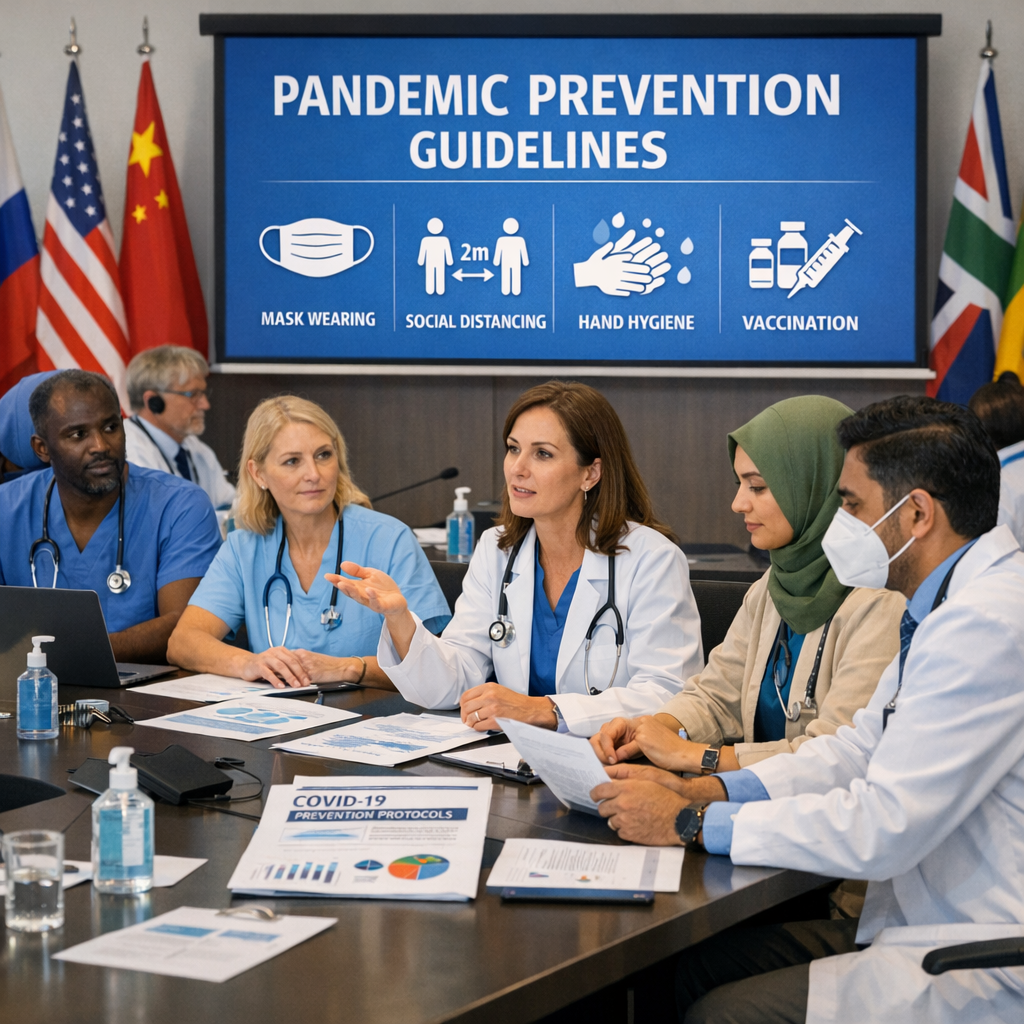
A Turning Point in Global Health Governance
In May 2025, World Health Assembly delegates adopted what’s being hailed as a landmark agreement aimed at making the world safer and fairer when facing future pandemics. Known as the WHO Pandemic Agreement, it represents one of the most ambitious global public health treaties since COVID-19. Emily Johnson reports on what it means and why it matters not only internationally but for communities here at home in Nashville.
What the Agreement Covers
This treaty works to close gaps exposed during COVID-19. Key areas include strengthening disease surveillance, improving research and development, boosting local production of vaccines and treatments through technology sharing, and establishing clearer systems for rapidly distributing medical resources to those in most urgent need. The agreement values equity, insisting every country have fair access to pandemic supplies—diagnostics, vaccines, therapeutics—once it is ratified and fully operational.
Legally Binding and Globally Inclusive
Unlike many declarations, this pact is a legally binding international framework. It becomes active once enough countries ratify it. Its structure respects national sovereignty—WHO cannot enforce policies like lockdowns or vaccine mandates—yet it creates mechanisms such as a Pathogen Access and Benefit Sharing (PABS) system and a global supply chain logistics network for health resources in emergencies.
Tighter Rules Under the Amended Health Regulations
Alongside the pandemic agreement, amendments to the International Health Regulations (IHR) have also entered into force. These introduce a new alert tier—a “pandemic emergency”—for health threats that go beyond the scale of what’s known as a Public Health Emergency of International Concern. They also call for better coordination, stronger national systems for disease reporting and financing rooted in solidarity and equity.
The Wider Implications
For countries like the U.S., and cities like Nashville, these shifts are reminders that global health isn’t distant—it’s interconnected. Strong global systems help reduce risks here, from emerging pathogens to supply shortages. Local public health agencies, researchers, and institutions will likely see more international cooperation, shared knowledge, and faster access to safe medical tools during crises.
The Road Ahead: Implementation and Action
The agreement’s adoption is a milestone, but implementation poses challenges. Countries still need to ratify key annexes. Financial resources and manufacturing capacity must scale, especially in lower-income areas. Transparency and trust will be essential to making sure these agreements aren’t just good on paper.
Why This Matters in Nashville
We often think international treaties are removed from daily life, but we saw during COVID-19 how local hospitals, public health departments, and supply chains depend on global norms and cooperation. Agreements like this can influence vaccine availability, disease detection systems, and how we respond to outbreaks—even here in Tennessee.
As this agreement takes effect, it’s crucial for community leaders, health officials, and citizens to stay informed and ask local agencies: Are we aligned with these global norms? Are our systems strong enough to adapt when world health rules evolve?