

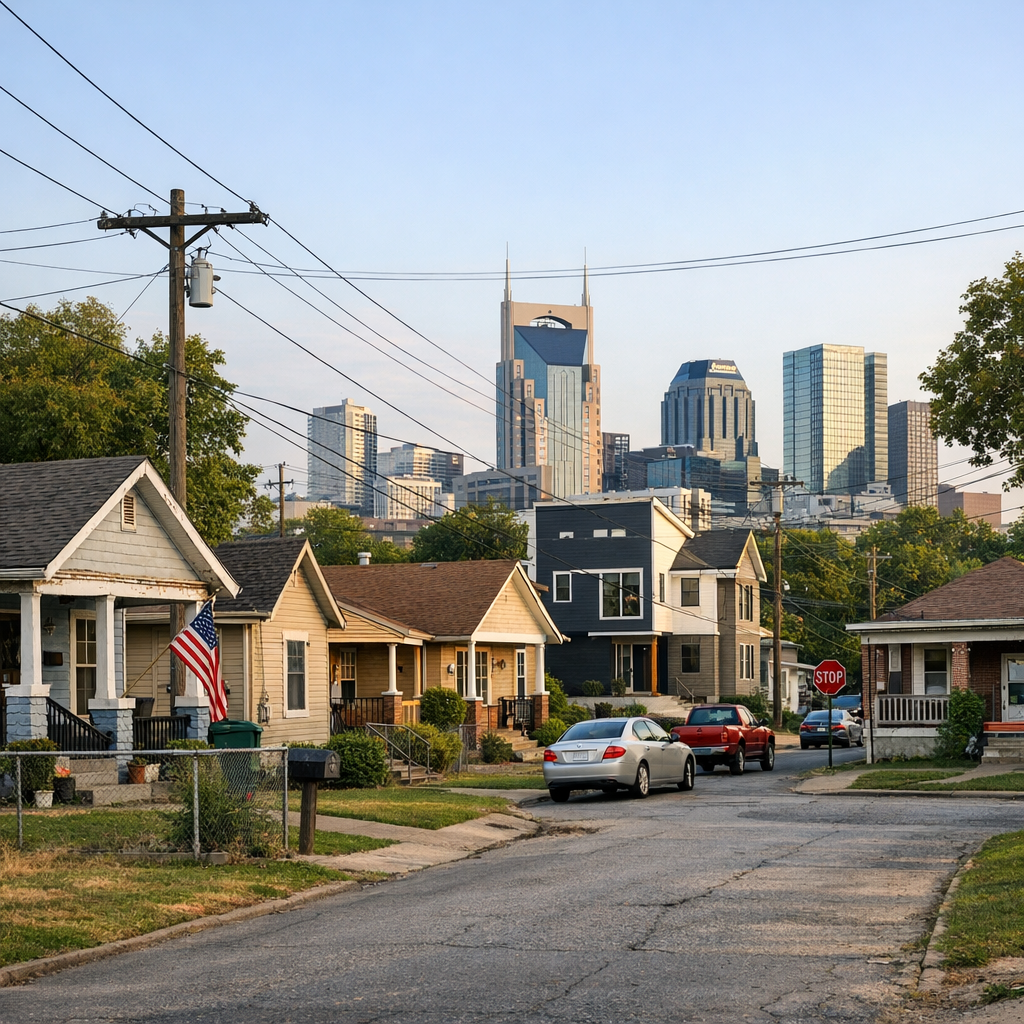
I moved to Nashville ten years ago with hope. I found a job, made friends, felt rooted. But when the rent climbed and homes stretched beyond what my salary could cover, I started wondering: is this city still mine?
Not Just Numbers — Our Stories
When talk about “housing affordability” surfaces, people often hear statistics: percentages, comparisons, reports. Behind those numbers are ordinary nights when I lay awake wondering where I’ll be next month, calls to landlords I can’t reach, and friends moving far from the places they love just because the price tag rose overnight.
The Pressure Is Uneven
The most recent Community Needs Evaluation report reminds us: Nashville renters, especially African Americans, face cost burdens much higher than their neighbors. Even when they work full time, many still pay more than seems fair for shelter. I see it in my neighborhood — folks with steady jobs still worrying as rents rise and incomes lag. Meanwhile, longtime residents see surrounding changes: new coffee shops, art installations, but also a feeling that they’re being shut out.
More Voices Want Permanent Solutions
Last year, the Nashville People’s Budget Coalition spent months listening — hundreds of Nashvillians shared stories of homes lost, rents jumped, hopes dimmed. Estimates show that over 80% of residents now believe buying within Davidson County is out of reach for them. That’s not just a line in a poll. It’s a wall closing in.
Where the System is Failing Us
It’s more than just prices. Zoning restrictions, high land costs, and delays in permitting mean fewer affordable homes are built. And where developers try, community opposition and red tape can drag out timelines or kill badly needed projects.
We often hear “we need to build more,” but it’s what kind of homes and for whom that matters. Not everyone needs a luxury apartment or a large home. Some need a safe, stable one-bedroom near transit; others need ownership pathways. The Unified Housing Strategy shows promise for blending preservation, new development, and more accessible financing. But strategy on paper isn’t the same as keys in hand.
What Could Make a Difference
- Stronger local engagement: Listening to the people most affected, not just at the end of planning but throughout.
- Flexible zoning and land policies: Allowing smaller homes, accessory dwelling units, and mixed-income developments can help introduce diversity into neighborhoods.
- Funding and incentives: More public and private investment aimed specifically at permanently affordable units, not just temporary fixes.
- Preserving what we already have: Older buildings that once were affordable are disappearing fast. Keeping them intact keeps displacement down.
Why It Matters to All of Us
Nashville is more than a skyline. It’s family meals, friendships built block by block, and laughter in front yard cookouts. When people are pushed away—because rent doubles, because pay doesn’t match rising costs—we lose more than affordable housing. We lose community. We lose what made us Nashville in the first place.
We deserve a future where all of us — not just those who already own land or hold power — can belong. That starts with open doors, stable roofs, and neighborhoods that grow inclusive, not exclusive. It starts with us.