

By Emily Johnson
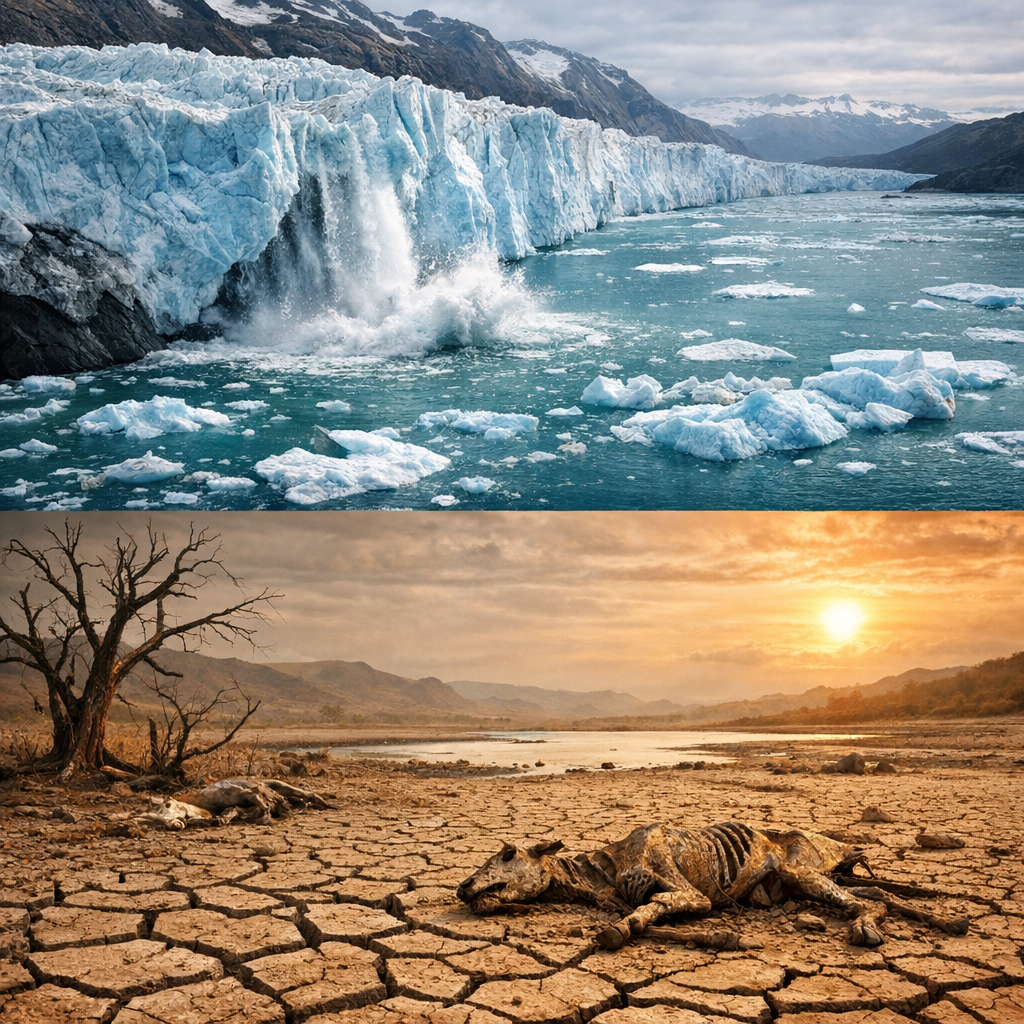
Across continents—from parched regions in Africa to melting ice sheets in the Arctic—the world is increasingly approaching thresholds that may unleash irreversible changes. Here’s what global climate experts are warning about, what’s already underway, and what it means for all of us.
Climate warnings growing louder
United Nations reports emphasize that while greenhouse gas emissions are still rising, current national pledges under the Paris Agreement point toward 2.5–2.9°C warming compared to pre-industrial times—well above the 1.5°C goal deemed critical to avoid cascading impacts. Momentum toward clean energy is increasing, but far greater effort and investment are needed to steer the trajectory. The Paris framework remains essential, but its promises alone won’t prevent the most severe outcomes. Evidence from the latest global climate science shows heat extremes, sea level rise, and ocean warming are intensifying rapidly. Forests and glaciers are shrinking; weather events are more frequent and damaging.
What’s already shifting on the ground
Desertification and drought are degrading landscapes vital for farming, forcing communities in some regions to adapt or relocate. Specialized UN talks held in Mongolia recently spotlighted how degraded soils are losing their ability to hold water, posing risks to food production and livelihood. In other areas, like low-lying islands and coastal zones, rising seas and warming oceans threaten to displace populations as vital ecosystems—coral reefs, mangroves—erode.
Why tipping points matter
A tipping point occurs when gradual warming triggers sudden shifts—think disappearing ice sheets, dieback of rainforests, or a collapse of ocean currents. Once crossed, these processes become self-reinforcing and nearly impossible to reverse on human time scales. Scientists warn that such tipping points aren’t just a remote future—they’re edging closer, and their effects could feed into other crises: migration pressures, health risks, political instability, and food insecurity.
Policy, innovation, and community action
Several essential paths forward are clear:
- Accelerate emission cuts, with deep reductions in sectors like energy, agriculture, and waste.
- Invest in clean energy – solar, wind, sustainable cooling – which are becoming increasingly viable and cost-competitive.
- Scale up adaptation efforts: water conservation, drought-resistant crops, infrastructure resilient to extreme heat or flooding.
- Local restoration: community efforts to restore degraded land, protect forests, and conserve ecosystems.
- Stronger international finance and cooperation – especially supporting vulnerable countries facing immediate risks.
What this means for local communities
Even here in Nashville and throughout Tennessee, climate tipping points are far from remote. Changes in precipitation patterns and extreme weather events—such as heat waves, flooding, and droughts—could affect agriculture, public health, and infrastructure. Communities should prepare by strengthening local disaster planning, investing in resilient infrastructure, and supporting sustainable land and water management.
Key Takeaway
The climate tipping points we hear warnings about aren’t distant threats—they’re becoming increasingly real. Tackling them takes urgent global and local action. We all have a role, whether it’s voting, conserving energy, supporting sustainable practices, or advocating for policies that reduce emissions and build resilience.