

By Sophia Anderson
NASHVILLE — Nashville leaders are responding to mounting public pressure around data center development as proposed projects raise concerns about noise, environmental impacts, and equitable neighborhood planning.
New Legislation and Community Push
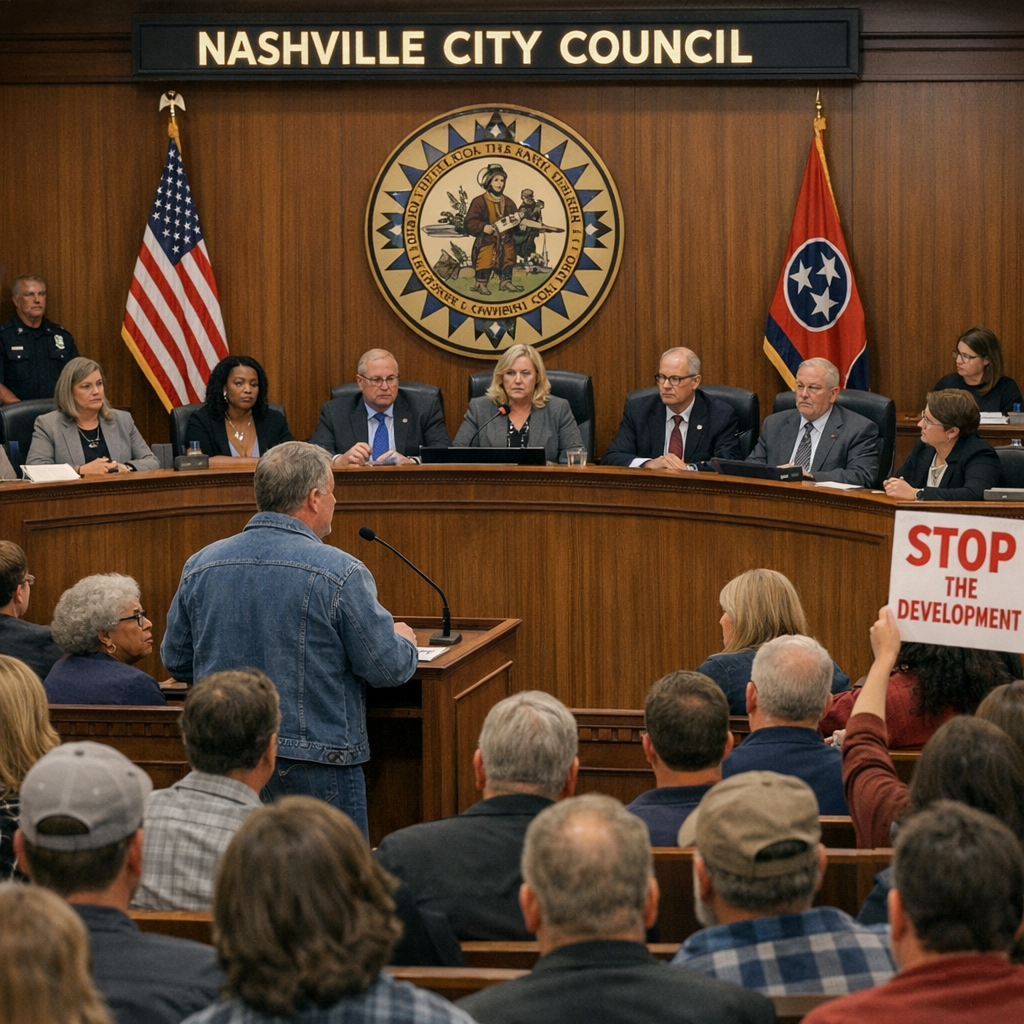
This summer, the Metropolitan Council moved forward with two key bills: one amends city codes to enforce stricter regulations on data center operations, including limits on noise and electromagnetic exposure; the other establishes a temporary moratorium on all new data center proposals in Davidson County. Both bills have cleared initial votes and will go through a final reading before full approval.
Residents Raise Concerns
Hundreds of residents spoke during public comment at recent council sessions, voicing concerns about possible negative impacts. Critics said that some data center schematics released by developers downplay risks like constant low-frequency vibrations and potential environmental damage. Some pointed out that historically underserved communities are particularly vulnerable.
Case in Point: Fisk University
Fisk University’s proposed “Quantum Leap” campus plan includes a data center component, which drew spirited opposition from nearby North Nashville residents. In a town hall meeting, attendees demanded concrete information on environmental safeguards and disputed what they described as vague promises from university leadership about how the project would differ from others already operating near the zoo.
What’s Next
Metro Council’s final votes are anticipated in the coming weeks. Meanwhile, an executive order from Mayor Freddie O’Connell directs city departments to assess the broader impact of large-scale data centers and propose policy guidance accordingly. The administration aims to unify regulatory oversight with community-led input.
Why It Matters
As Nashville’s tech infrastructure expands, how the city governs data center development will have lasting consequences. These decisions touch on public health, environmental justice, land use priorities and long-term planning — especially in neighborhoods already facing affordability and equity challenges. The outcome may set precedents for how Nashville balances growth with community welfare.