

By Emily Johnson
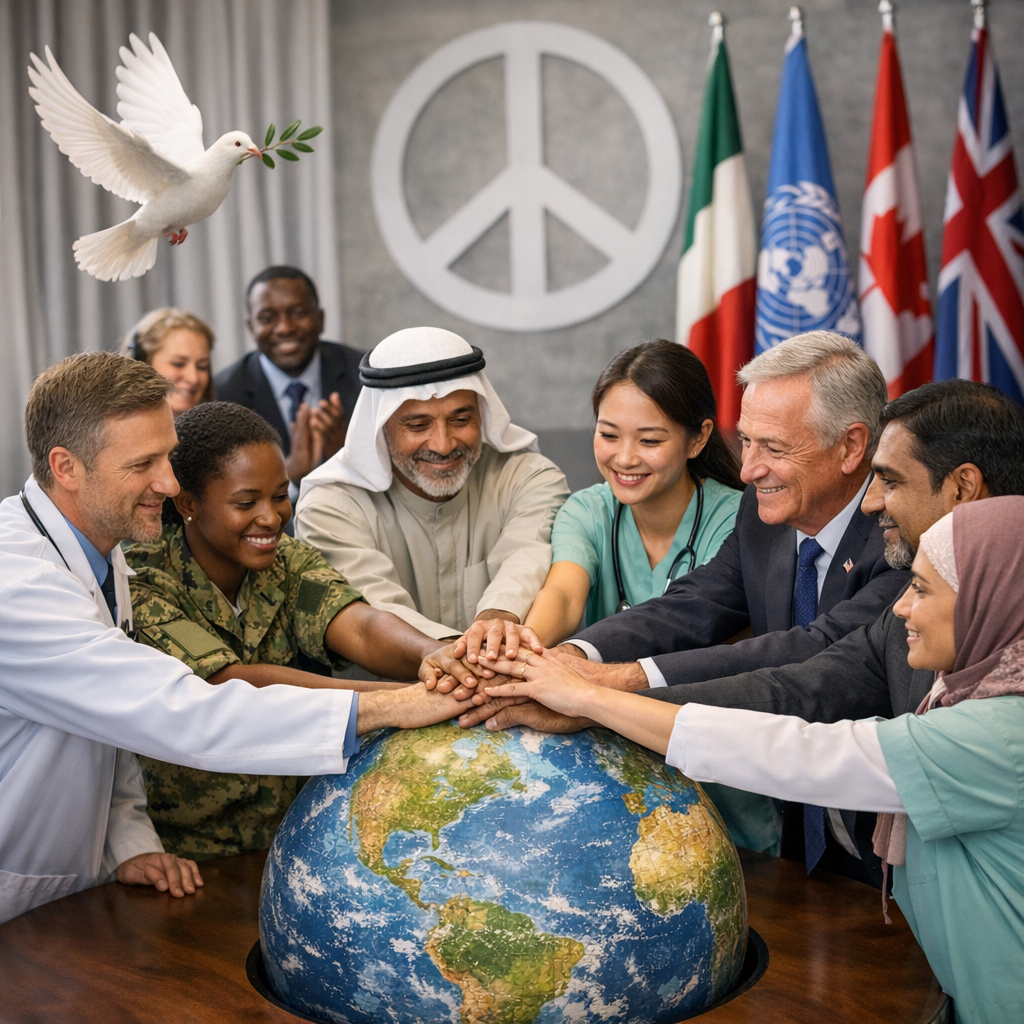
Across continents, the world is witnessing a convergence of crises—public health fragile from pandemics, conflict escalating, and climate change pressing on both nature and human security. These threads are entwined in ways that call for deeper understanding and urgent collaboration.
Health Gains at Risk
Recent global health data show that years of progress are under threat. According to a World Health Organization report, while major gains have been made—like dramatic declines in new HIV infections and expanded access to clean water and basic hygiene—many regions are now slipping behind. Challenges from malnutrition, disease outbreaks, and unequal access to care underline how vulnerable global progress remains without sustained investment in health systems.
Conflict and Humanitarian Strain
Meanwhile, new reports highlight intensifying human suffering in conflict zones. Over two hundred armed conflicts affect millions, displacing populations and overwhelming aid structures. Humanitarian organizations warn of erosion in the rules of war and increasing risks to civilians. The strain is not just localized—global infrastructure, refugee flows, and diplomatic resources are all impacted.
Climate Change as a Risk Multiplier
Climate shifts—rising temperatures, droughts, floods—are not just environmental issues. They amplify underlying risk factors for conflict, fuel forced migration, and disrupt agriculture, food supply, and water access. In fragile states, where health systems are already weak, climate shocks can push societies past breaking points.
The Path Forward: Interconnected Solutions
These global challenges are not isolated. Investments in resilient health infrastructure, peacebuilding, and climate adaptation must be interwoven. Some promising frameworks are emerging:
- Integrated approaches to humanitarian response that address health, social cohesion, and environmental resilience simultaneously.
- Strengthening early-warning systems for disease outbreaks and climate-related disasters.
- Reinforcing international law and diplomacy to protect civilians and ensure accountability in conflict zones.
- Mobilizing financing mechanisms that support sustainable development, especially in nations most at risk.
Why This Matters for Everyone
Even for communities far from war zones, these global trends have local ripple effects: migration pressures, economic instability, health risks, and climate impacts like extreme weather. Nashville, like many cities, depends on global stability—for trade, for safety, for shared well-being.
As global citizens, we all have a stake in a more resilient world—and our shared future depends on how we respond today.