

By Mia Wilson
Nashville’s real estate and housing scene continues to evolve. Whether you’re looking to rent, buy, or invest, here’s a breakdown of what’s changing—and what might be ahead.
Home Prices & Buyer Opportunities
The median home price in Greater Nashville is hovering around $480,000, only about 1% higher than this time last year.
Inventory is gaining ground: new listings are up, and sellers are increasingly offering incentives like closing cost assistance or rate buydowns. While the intense multiple-offer environment of recent years has eased, buyers still face stiff competition, especially in sought-after neighborhoods.
First-Time Buyer Challenges
Affordability remains a major obstacle. According to a Vanderbilt University poll, over 80% of Nashvillians say buying a home here feels out of reach. Higher mortgage rates, escalating down payments, and rapidly rising household costs widen that gap.
Rental Market: Cooling, But Signals of Stabilization
After years of escalating rents, the market has seen a brief cooldown. From mid-2025 to mid-2026, asking rents dropped about 3.6% year-over-year. That said, rents are starting to climb modestly month-to-month in many areas as vacancy rates slowly tighten.
Where Strength Remains</
Central neighborhoods like Downtown Nashville still command high monthly rents—even with some year-over-year decline. Meanwhile, suburban areas and parts of South Nashville remain relatively more affordable, which is drawing attention from renters and smaller investors.
Development & Supply Trends
Construction remains active, though starts have slowed. Recent data shows nearly 12,000 units under construction across Nashville, while net absorption (leasing of new units) continues to outpace deliveries. That suggests the market may finally be easing toward a better balance between supply and demand.
Zoning, Growth & Neighborhood Migration
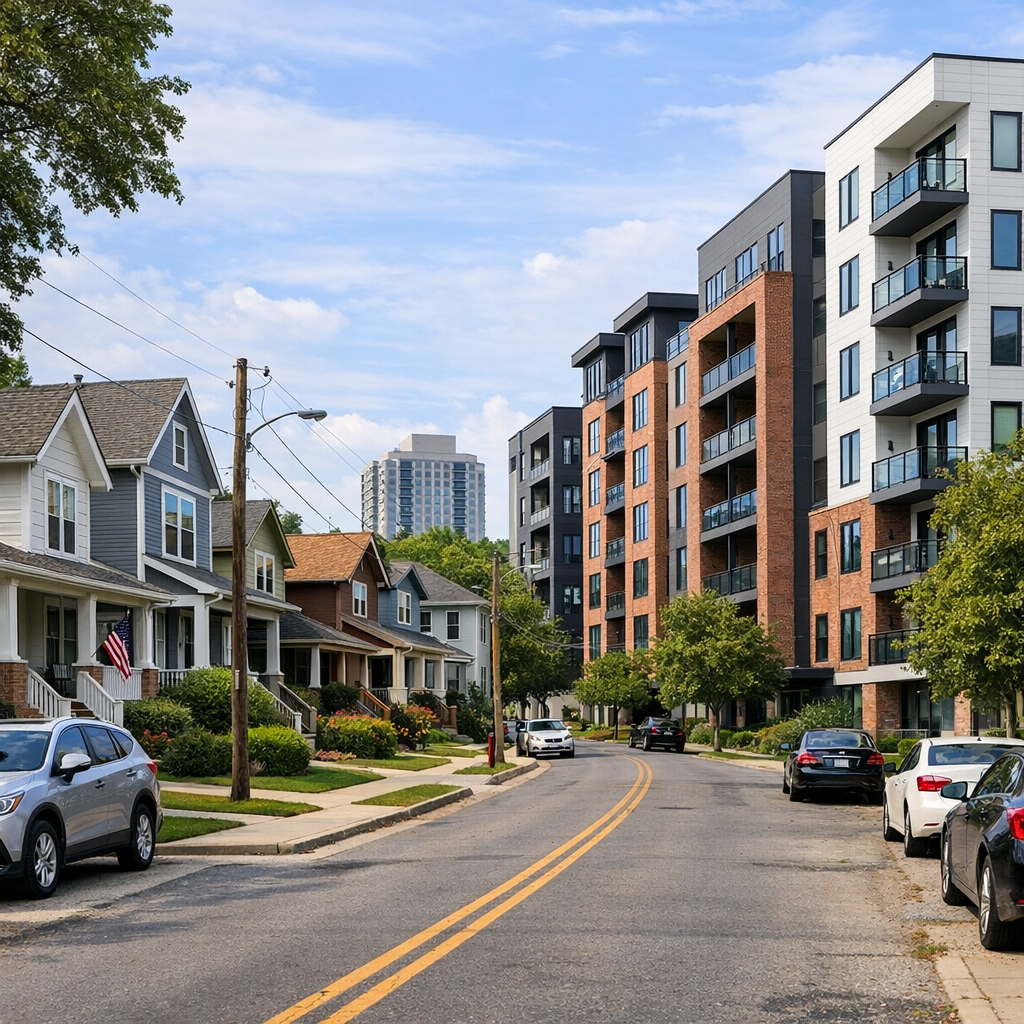
Efforts to ease zoning restrictions and allow higher density housing are underway, which could affect how and where new homes are built. For buyers willing to venture a bit further out—locations in Rutherford, Dickson or Montgomery counties, or quieter outskirts like Whites Creek—there are still opportunities for trade-offs between distance and cost.
What This Means for Different Audiences
- For renters: While averages fell year-over-year, recent rent increases in some neighborhoods indicate that bargains may not last long.
- For buyers: Leaning in now could offer more leverage than recent years—but affordability is tight, so budgeting carefully is essential.
- For investors: Look toward neighborhoods with stable or rising rents, and keep an eye on occupancy trends as supply begins to moderate.
Nashville’s housing market is settling into a new rhythm—less frantic, more balanced. For those navigating this space, staying informed and flexible will be more important than ever.