

By Sophia Anderson
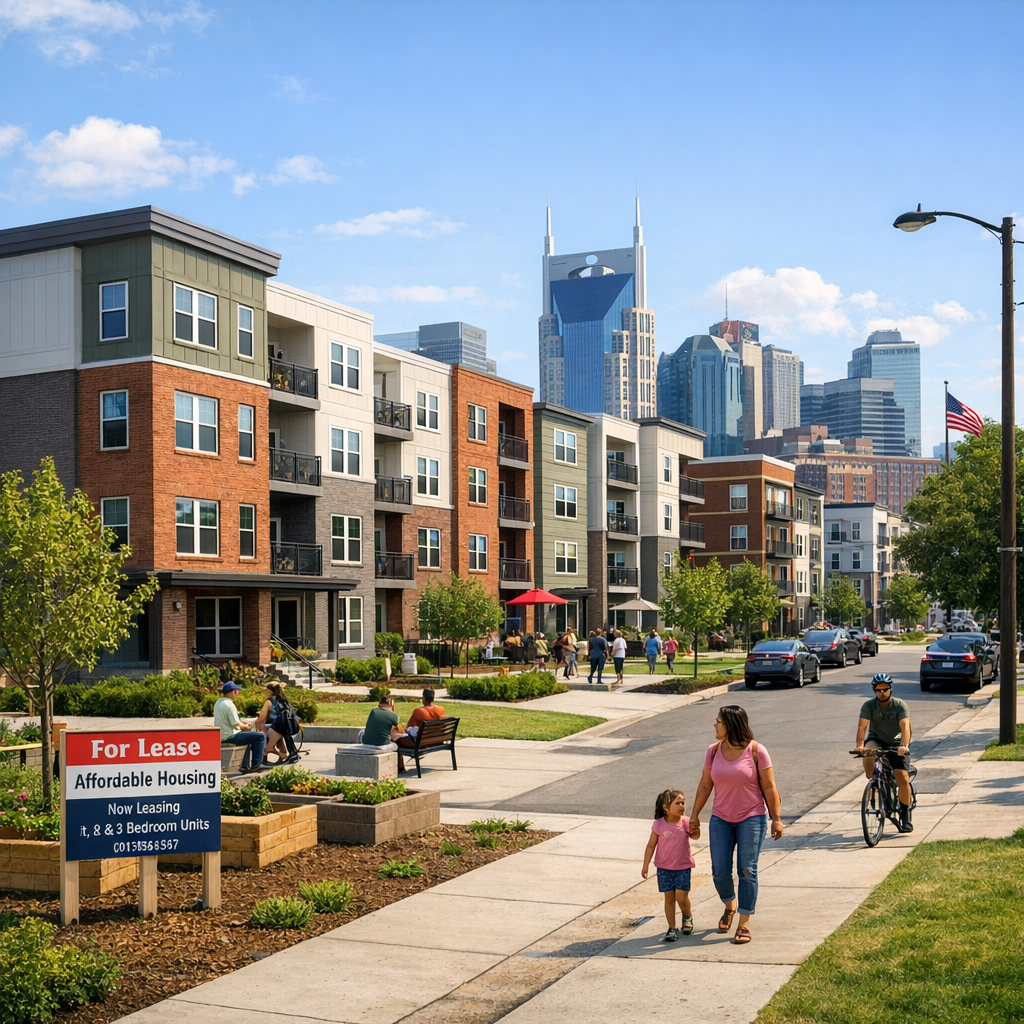
Nashville continues to act on its growing housing affordability challenges with updated policies, funding commitments, and community-based programs. Here’s a look at what’s underway and what residents need to know.
The Unified Housing Strategy (UHS)
The city’s Unified Housing Strategy serves as a long-term blueprint aiming to secure affordable, safe, and stable housing for all residents. Crafted through community input, data reviews, and expert research, the plan sets out multiple strategies focused on sustaining existing housing, supporting homeownership, and improving access to essential services. Key components emphasize coordination between public, private, and nonprofit partners to strengthen the overall housing ecosystem. Since the plan spans the next decade, its strategies are designed to adjust based on impact metrics and evolving needs.�
PRO Housing: Removing Barriers & Funding Deeply Affordable Units
Nashville has won $5 million from HUD’s PRO Housing program to take on regulatory, financial, and structural barriers to creating housing for extremely low-income residents—those earning less than 30% of area median income. Among other efforts, the funds will support a Faith-Based Development Institute, an Affordable Housing Accelerator, and augment financing programs aimed at permanent supportive housing.
Neighborhoods & Cooperative Models
Community-based nonprofits are taking innovative paths. The Nashville Equitable Housing Cooperative is converting a 60-unit multifamily site into limited-equity housing—preserving affordability over the long term and giving residents more say. These kinds of projects are especially important in areas at risk of displacement.
Federal Funds and HUD Program Use
The Metropolitan Development and Housing Agency (MDHA) continues to leverage federal resources under HOME, CDBG, ESG, and other HUD programs to support both renters and first-time homebuyers. Recent capital allocations include projects for older adult housing, home rehabilitation efforts, and shared equity homeownership models in areas where families earn around or below the median income.
What Residents Can Do
- Track public comment periods and draft plans released by Metro Nashville’s Housing Division and MDHA. Many strategy components still under development rely on resident feedback.
- If you qualify, keep an eye on MDHA’s waiting list openings for affordable housing vouchers and rental programs.
- Explore nonprofit cooperative housing opportunities in your neighborhood; limited-equity cooperatives often offer more stable, affordable living options.
- Connect with local faith-based organizations, advocacy groups, and community development corporations to stay informed about development projects and to advocate for inclusive zoning and housing protections.
The Long View
These efforts combined point toward a city that’s recognizing housing as more than just a economic issue—it’s a foundation for stable neighborhoods, equitable growth, and community trust. While change takes time, recent policy updates and funding sources suggest Nashville is moving toward more affordable options for residents who need them most.
If you’d like more on this topic—local zoning reforms, city-supported funding tools, or neighborhood impact stories—let me know. Sophia Anderson here on Local Voices.