

By Mia Wilson
Today’s Housing Prices: Subtle Shifts, Big Impacts
The median home price in Nashville is around $480,000, up by roughly 1% compared to a year ago, according to recent Redfin data. Homes spend about 60–65 days on the market—slightly longer than in past years—signaling a subtle cooling in what had been an intensely competitive market. At the same time, Zillow reports that typical home values are closer to $434,000, having dropped about 3% over the past year. That gap between what sellers expect and what buyers can afford is heightening tensions in neighborhoods farther from downtown.
Homes near transit and central neighborhoods remain in demand, with prices holding steadier in areas like East Nashville, The Gulch, and the East Bank.
Rentals & Affordability Challenges
Rental prices in Nashville seem to have plateaued: the average asking rent is about $1,834 monthly—down slightly year-over-year and nearly flat month-to-month. While this brings some relief for renters, many households are still cost burdened; especially those earning less than the area median income.
Developments like the recently approved Eastpoint Flats, which will be 100% affordable and include childcare and retail space, are part of an effort to increase the supply of homes that don’t break budgets. Meanwhile, advocacy and planning movements underway aim to expand smaller-scale housing types and barrier-free development to better match what residents need.
Big Projects Reshaping Nashville’s Built Environment
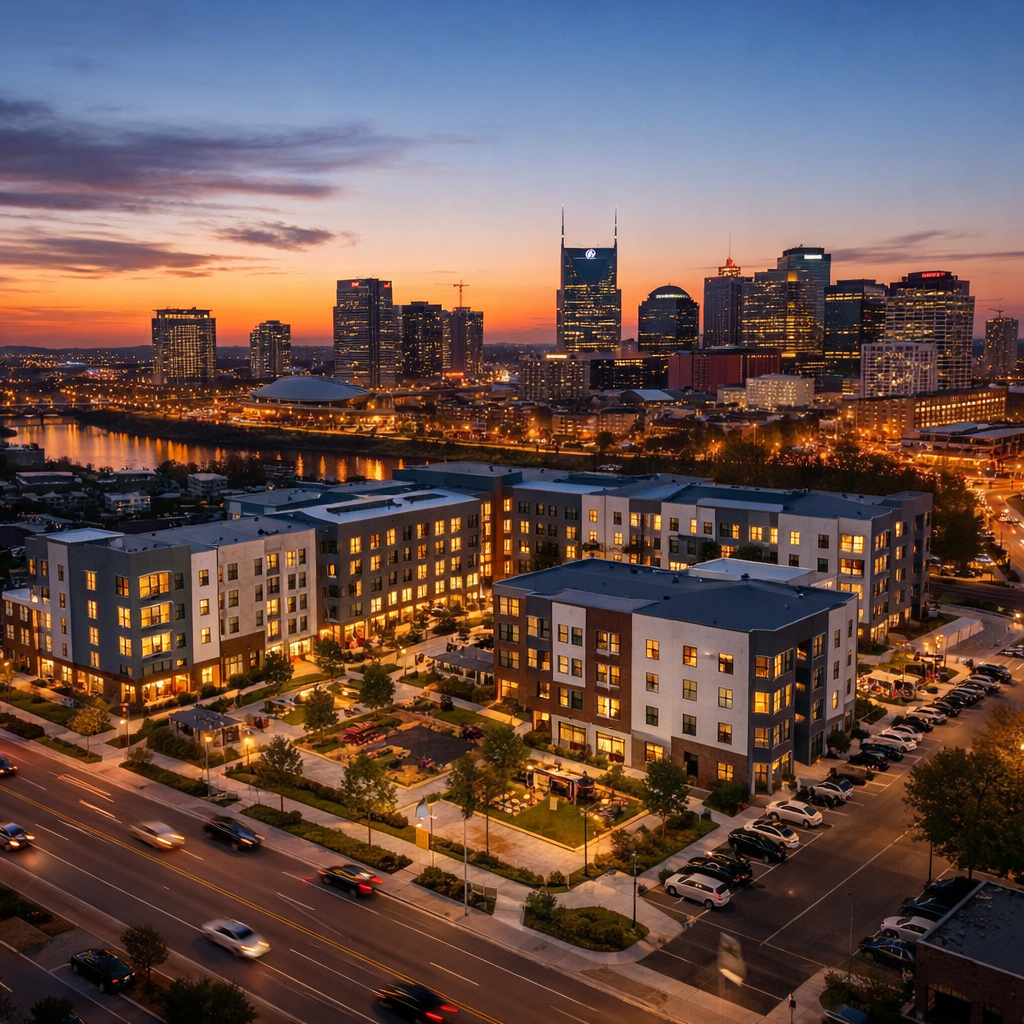
The city has several transformational development projects in progress or recently approved, with a growing emphasis on affordability. In the East Bank, for instance, there’s a 30-acre redevelopment agreement with Fallon Company that guarantees over 1,500 housing units, nearly half of which will be affordable, under 99-year ground leases.
Also underway is the Napier and Sudekum Transformation, where MDHA has approved master agreements with Black-led developers to revitalize public housing, bringing updated amenities and new affordable units for longtime residents.
These projects reflect Nashville’s push to balance growth with inclusion—addressing both the demand for housing and the need to prevent displacement.
What Buyers, Renters & Neighbors Should Know
- If you’re buying, be prepared for negotiation: pricing expectations are softening, and homes may stay listed longer than before.
- Renters might find better options off the beaten path or slightly farther out, given that central-area rent pressure remains strong.
- Keep an eye on infrastructure and zoning updates—ongoing studies like Metro’s Housing & Infrastructure Study aim to change what kinds of housing types are allowed in more neighborhoods, potentially opening the door to duplexes, triplexes, and smaller infill housing.
- Community engagement matters—many of the recent and upcoming development agreements included public workshops and input to help shape design, scale, and affordability.
Overall, Nashville is at a pivot point. The intense price growth of recent years has cooled, setting the stage for potential greater balance but only if planned development, affordability commitments, and policy changes stick.