

By Mia Wilson
Nashville’s real estate market has eased from its pandemic-era frenzy into something more familiar: a balanced or buyer-friendly phase. Understanding what’s changed—and how it affects what you can afford or expect—can make all the difference if you’re looking to rent, buy, or develop in the area.
Inventory and Pricing: More Homes, Slower Hikes
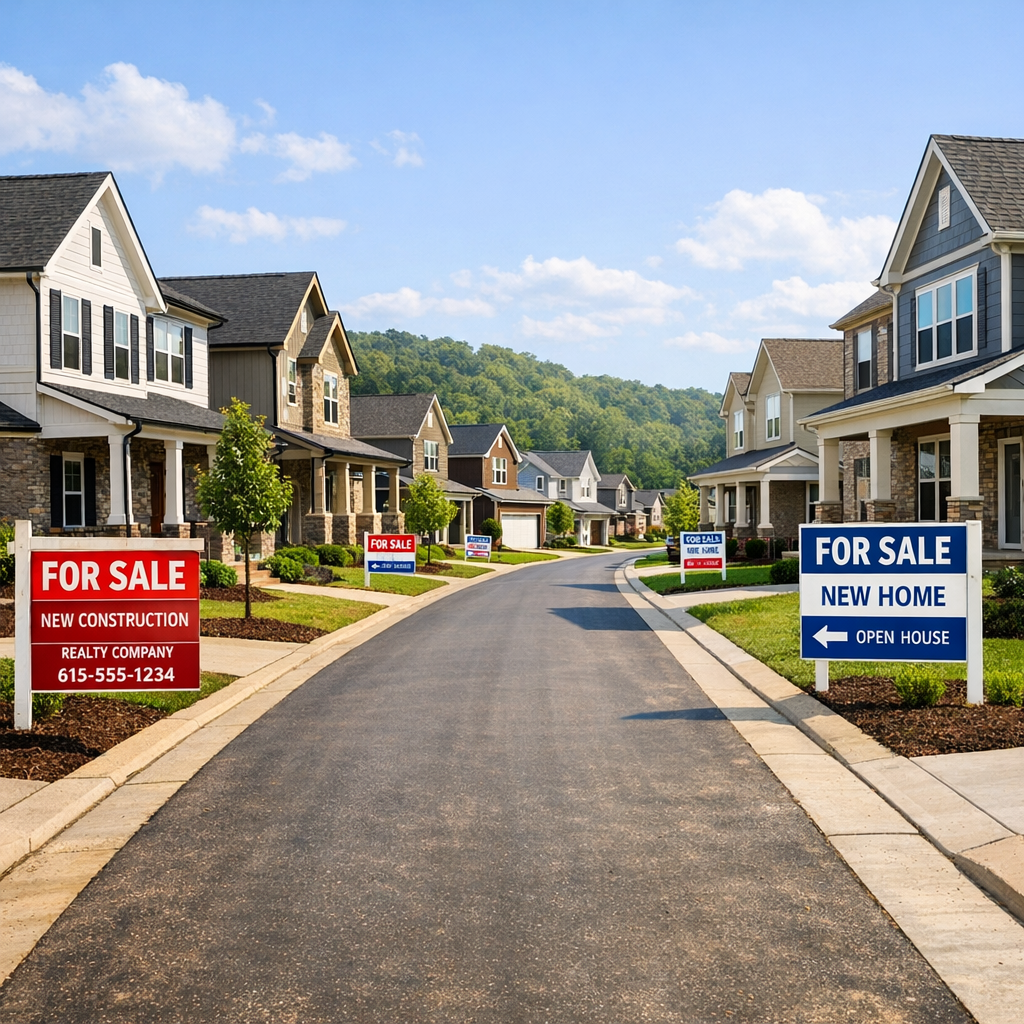
Homes for sale in Nashville continue to rise, giving buyers more options. Inventory counts are up noticeably compared to recent years, especially for townhomes and single-family homes in suburban areas. Yet condos have lagged behind, with their listings mostly flat or even down.
Parallel to expanding supply, price increases have moderated. Median home prices are still inching upward, but nowhere near the double-digit leaps seen in the early 2020s. For many homes, especially those priced in the mid-range or below, buyers are finding space to negotiate and waiting for the right one pays off.
The Buyer’s Advantage
With more choices available, buyers are gaining influence. Sellers are offering perks, such as covering closing costs or making repairs. Homes that are updated, well-staged, and priced fairly tend to win more attention. Meanwhile, those that stayed on the market longer without adjustments are seeing price reductions.
What Sellers Need to Know
For sellers, it’s no longer enough to list and wait. Homes need to meet buyer expectations—move-in readiness, strong photos, and realistic pricing are now essential. Overpricing can lead to longer days on market and stale listings. Sellers who adapt are those who tend to succeed.
Rentals, First-Time Buyers, and Affordability Gaps
While homeownership is becoming more accessible than at the peak of the boom, many residents still feel priced out. Polls suggest that a vast majority say buying feels unaffordable right now. With mortgage rates, down payments, and monthly values still high, renting remains the more achievable option for many households.
Those buying for the first time are particularly affected. They often face trade-offs, such as choosing smaller homes, longer commutes, or different neighborhoods. In turn, demand is shifting toward suburbs like Mount Juliet, Murfreesboro, Lebanon, and other outlying counties where you get more space—or lower cost—for your dollar.
Neighborhood Trends and Local Development
Desirable inner neighborhoods—East Nashville, Green Hills, Franklin—still command premium demand, especially for homes that already check all the boxes in terms of updates and condition. But new construction is increasingly carving out opportunities further out from the core.
City officials and developers are responding: zoning changes, efforts to boost density, and plans for infrastructure improvements are in motion. These shifts promise more housing types and possibly more affordable options—but they take time and community buy-in.
Strategies for Residents Moving Forward
- Buyers: get preapproved, be ready to act when you find a home you like, and don’t overextend beyond what is financially sustainable.
- Sellers: invest in presentation, price based on comparable markets, and be open to flexible terms to attract serious offers.
- Renters: keep an eye on neighborhoods that are becoming more accessible, and expect rent increases to continue in hot zones.
- Developers and planners: focus on mixed-income housing, infill development, and transit-oriented areas to meet growing demand.
Nashville’s housing market isn’t cooling off so much as it’s recalibrating. For those who stay informed and adapt, there are opportunities to be had—whether you’re looking to buy, sell, or simply find better housing options.