

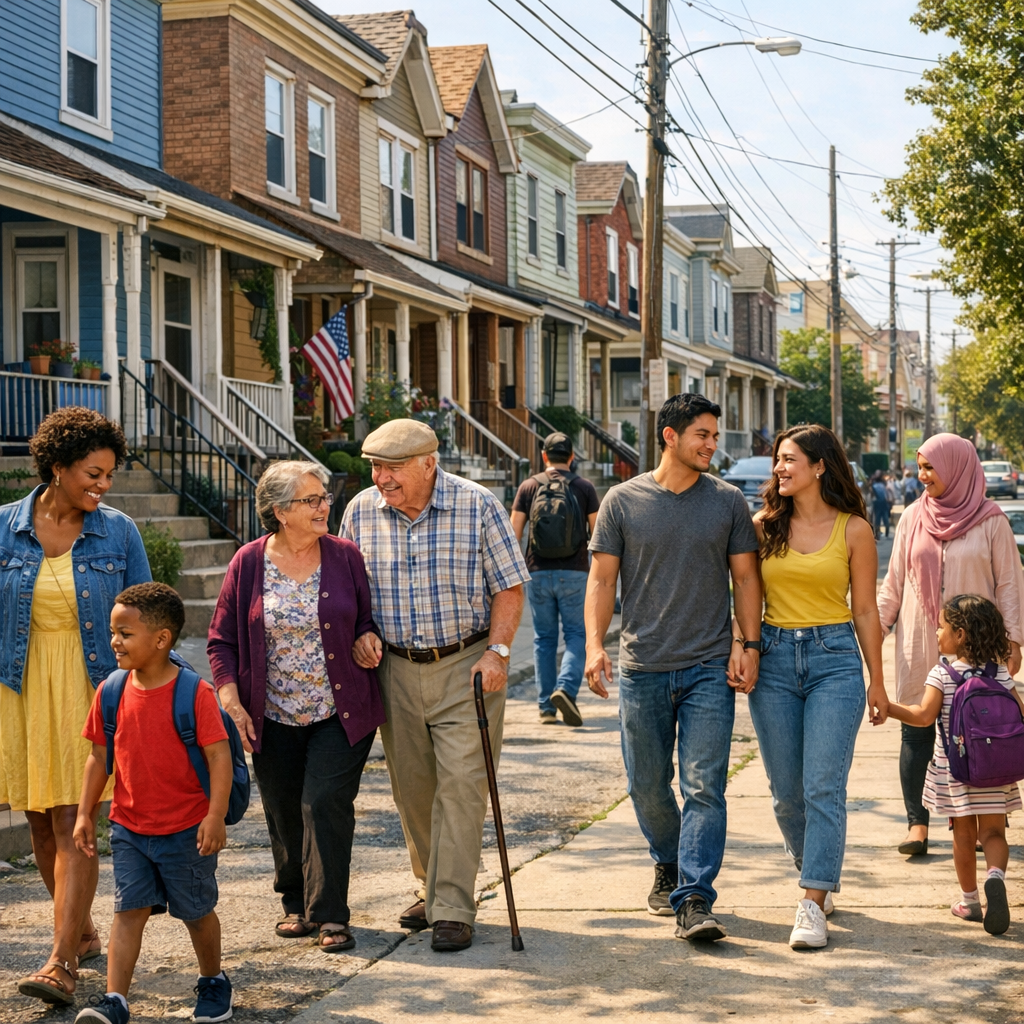
There’s a quiet tension creeping through Nashville neighborhoods: homes that once felt like safe investments and welcoming refuges are now priced beyond reach for many families. It’s not just about the cost of rent or mortgages—it’s about whether people can stay in the city they love without fronting more than half their income just to keep a roof overhead.
What affordability means, and who’s feeling its weight
Housing is typically considered “affordable” when it costs no more than about 30% of a household’s income. If you spend more, grocery money, medical bills, transportation—all of that gets squeezed.
In Nashville, nearly half of renters are “cost-burdened,” meaning they pay more than that benchmark. For Black residents, income disparities, job instability, and lower access to benefits worsen the problem. These aren’t just statistics—they’re stories of parents seeking second shifts, people working multiple jobs, young adults unable to move out, and seniors trying to stretch fixed incomes.
Why prices are climbing—and income isn’t keeping up
There are many reasons housing costs are rising:
- Development costs—land, materials, labor—continue to increase citywide.
- Demand keeps growing as people move in and competition for homes tightens.
- Regulatory and zoning policies can limit where and how housing can expand, especially for smaller or more affordable units.
Meanwhile, incomes for many have stayed flat amid rising living costs—leaving little room to absorb rent hikes or higher mortgages.
What’s being done—and where gaps remain
The city of Nashville has taken several steps to address the housing crisis, including launching a Unified Housing Strategy, increasing funding, and investing in new programs aimed at housing preservation and stability. Some private and nonprofit groups are stepping up as well, helping with things like security deposits and supportive housing for people with special needs.
Still, challenges remain. Many of the available programs focus on very low-income households, leaving those who fall just above eligibility brackets without help. Gentrification and displacement pressure neighborhoods with deep community roots. And there’s often a mismatch between where affordable housing is built and where people need services, commute, or feel connected.
Voices from the margins
In stories shared across Nashville, people describe making “impossible choices”—between housing and medicine, between staying close to work or sending their children to better schools, between accepting an apartment too small or living farther out with higher travel costs.
Many talk about the fear of losing what they’ve built: roots in their church, friendships in the neighborhood, access to transit, or simply the comfort of knowing where to get groceries and walk safely at night.
What hope looks like—in action
Real solutions begin where people talk openly about their needs and where policy follows. Some key ideas include:
- Inclusive zoning and smaller-scale housing options—making it easier to build duplexes, triplexes, accessory units.
- Funding mechanisms focused on preserving housing before it’s lost to market pressures.
- Support systems—help with utilities, childcare, health services—so housing isn’t always techo-economic.
- Community engagement and leadership from those directly affected.
Staying the course together
None of this is simple. Pressure on housing runs deep, affected by policies, economics, social history, and what a person can afford today—and next month. But Nashville’s strength has always lain in its people.
If policymakers, developers, neighbors, and nonprofits can listen—really listen—and act in coordination, there’s potential to build housing opportunities that honor both our city’s growth and our shared values of home.