

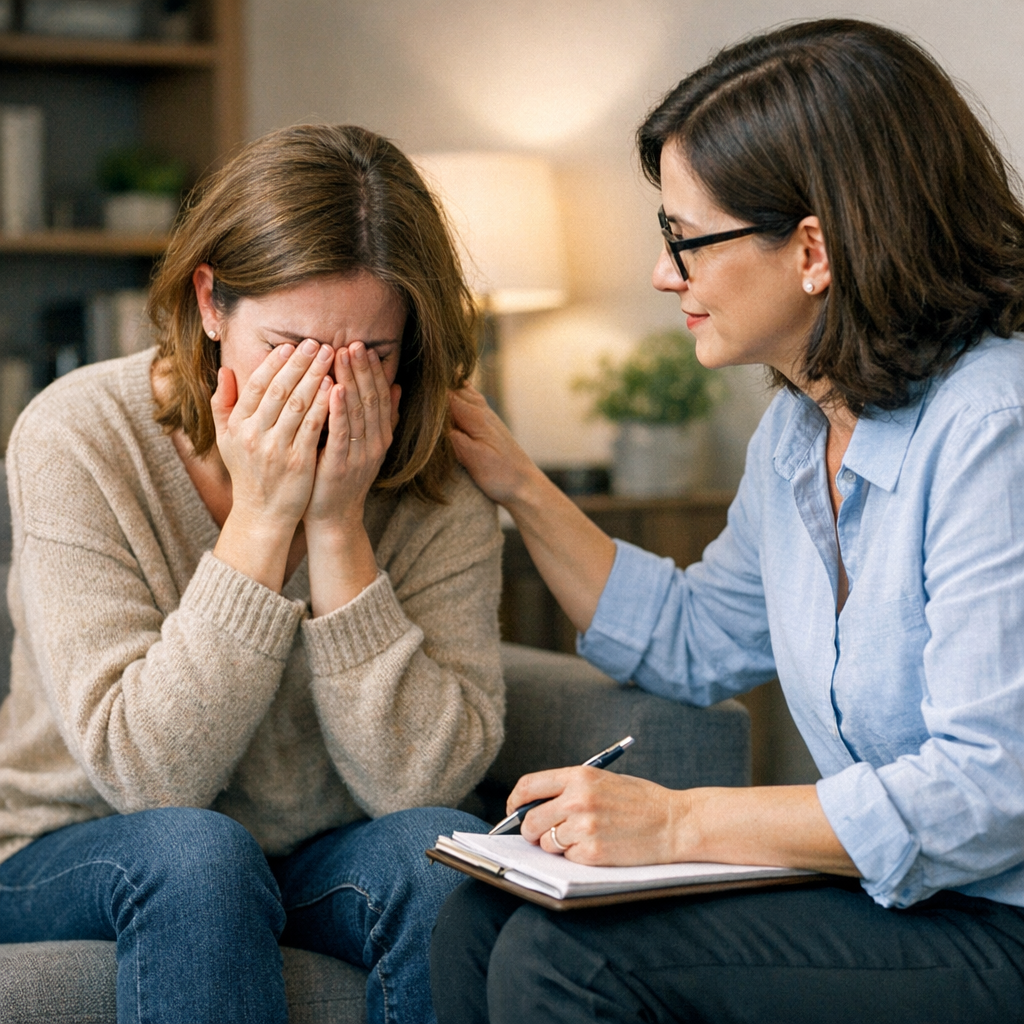
I didn’t plan for the day panic set in—not the full-blown chest-tight, breathless kind, but enough to make walking into a meeting double my pulse. That’s when I realized: knowing where to go for help matters more than knowing what I *should* do.
Support is Here Even When You Don’t “Need” a Crisis
In Nashville, you don’t have to wait for an emergency to access mental health services. Metro Public Health’s Behavioral Health and Wellness Services offers no-cost screenings and referrals, and sessions in English or Spanish. No insurance needed at many health centers, and walk-ins are welcome when possible. Those organizations partner with community agencies that address drug use, suicidal thoughts, or stress overload. Those services save lives long before a crisis sets in.
What Makes Access Easier—or Harder
When I called for help, I found a maze of hotlines, clinics, wait times, and paperwork—in some cases, sliding scales helped, in others, I hit walls. Language and cost barriers are real, especially for people with unstable schedules, no insurance, or limited time off work. Youth and families face extra obstacles especially when options are fragmented.
What Helps Make Support More Reachable
- Peer-led programs: Support groups, warm lines, networks of folks who’ve been through similar paths.
- Sliding scale or no-cost clinics: Services like Park Center’s rehab programs, or nonprofit providers that don’t require insurance.
- Culturally and linguistically responsive care: When communities are served in their own language, with understanding of culture, stigma drops. Nashville has clinics and nonprofits making strides here.
- Ease of access: Walk-ins, 24/7 crisis lines, mobile outreach—when crisis isn’t hours away, it’s hours earlier.
Getting Help: Where to Start
- Call 988 if you need someone now. It’s available day or night nationwide.
- Reach out to Nashville’s Mental Health Cooperative at Metro Center—walk-in assessment available 24/7. Staff take time to understand what you need—not just what you think you ‘should’ need.
- Look into Park Center for services that may include housing, peer wellness, substance use recovery, among others.
- Find local nonprofits or community-based groups; sites like NAMI Davidson County list support groups, therapy, and free resources for families and individuals.
Your Story Matters Too
I tell my story because I know someone reading this has felt something similar. Wanting help but unsure where to get it. Facing barriers you don’t always talk about. And that’s okay—it doesn’t mean shame, it means you’re human.
If you can, start with someone you trust: a friend, clergy, coworker. If that feels hard, a crisis line or peer group might be easier. Over time, those small steps build into safety networks and support systems.
Why Staying Connected Changes Outcomes
지원—connecting with people—is more than a buffer against crisis. It changes recovery. It means treatment is less likely to be sidelined. It means voices get heard, systems improve, and stigma lessens. And while institutions are working on bigger shifts, every person who reaches out, every community member who listens, makes Nashville stronger.
You deserve access. You deserve care. And just by reading this, you are taking a step toward finding your way.
— Benjamin Lopez