

By Daniel Rodriguez
Nashville’s economy continues to evolve as a hub for entrepreneurs, established businesses, and job seekers. Recent data reveal areas of strength—and challenge—for those looking to launch, grow, or hire locally.
Employment Growth: Gradual, but Uneven
Job growth in the Nashville-Davidson–Murfreesboro–Franklin metropolitan area remains positive, though the pace has eased. In June 2026, the area added around 2,000 jobs—less than the gains seen in earlier months—continuing a pattern of modest month-to-month changes. Over the past five years, most months have shown gains, though many were on the smaller side. The total number of employed residents has risen each year, though not always dramatically.
Unemployment in the region is low—hovering around 2.7-3.3% in most counties—which reflects a tight labor market. Yet, this strength masks significant sectoral shifts. Industries like leisure & hospitality and education & health services continue adding jobs, while construction and manufacturing have seen flat or even declining employment.
Industries Driving Local Impact
Several sectors are standing out for both their size and economic impact. Health care management, advanced manufacturing, tourism and hospitality, music and entertainment, and technology serve as pillars of Middle Tennessee’s economy. These industries provide tens—or in some cases hundreds—of thousands of direct and indirect jobs.
Wage data show that management, legal, and healthcare practitioner roles continue to lead in compensation. By comparison, roles in food service, cleaning, or personal care generally earn less. This gap poses challenges for those entering the workforce or working in lower-wage occupations—especially as cost pressures mount.
Entrepreneurship: Rising Amidst Rising Costs
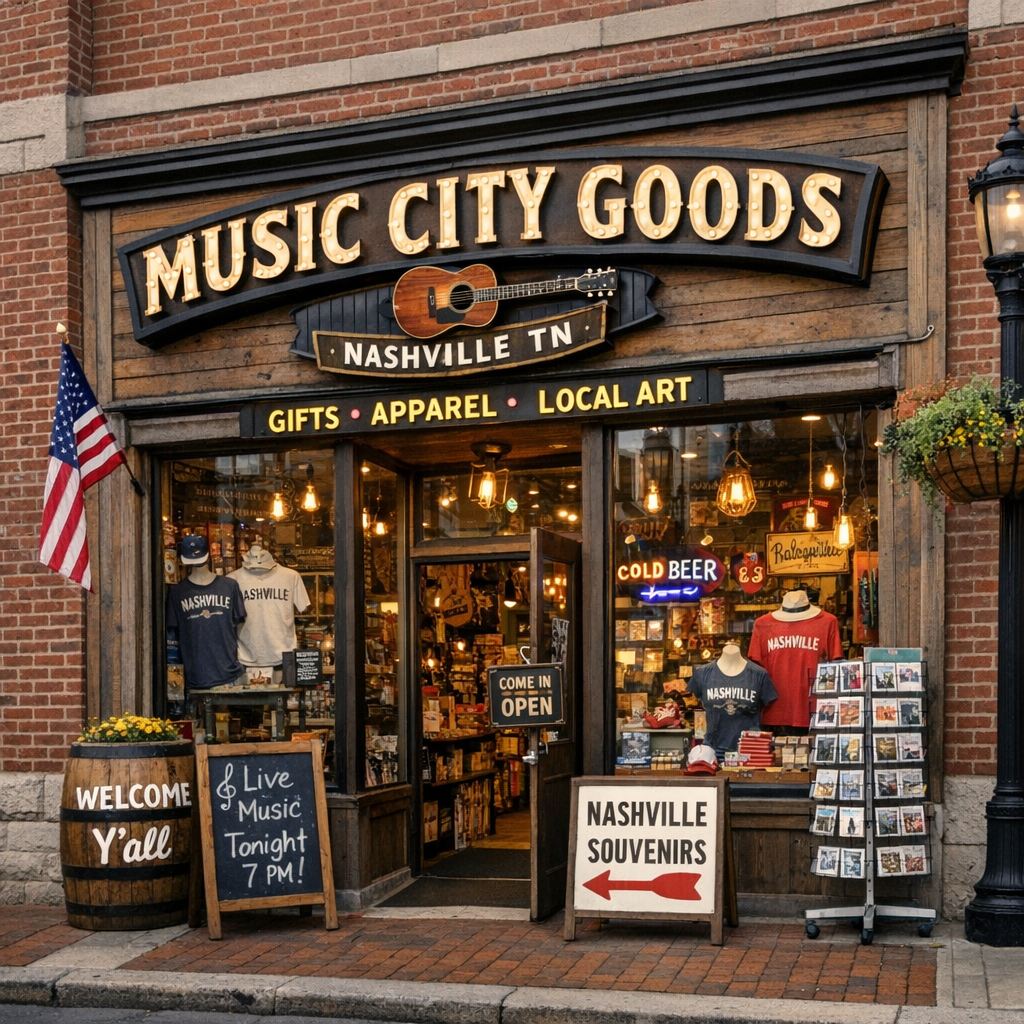
Tennessee overall—and Nashville in particular—has seen an increase in new business applications. Small business owners are still key contributors to employment and economic vibrancy. But at the same time, they face growing headwinds: property taxes downtown are rising, operating expenses have grown, and real estate affordability for owned or leased space is under pressure.
Local government has begun responding. Proposed programs to aid small businesses—especially in areas struggling with steep overheads—have been brought forward. These include support for property tax relief and targeted grants or incentives aimed at preserving neighborhood-based, independent enterprises.
Top Takeaways for Entrepreneurs and Job Seekers
- Know your sector: Industries like health, tech, and manufacturing continue to offer opportunity. Work in industries facing softness—like construction or certain retail sectors—may come with added risk.
- Mind wage gaps: Even within strong industries, there’s a wide range in earnings depending on role. Leveraging specialized skills, certifications, or niches can help bridge the gap.
- Watch policy & costs: Business environment is affected by taxes, real estate costs, regulation. Entrepreneurs should stay engaged with local policy debates; costs can make or break early profits.
- Community and networks matter: Nashville’s entrepreneurial resources—like the Entrepreneur Center and Chamber Research Center—offer support, data, and connections. For those starting small, ties to local networks are often vital.
Nashville’s economy isn’t zooming ahead at breakneck speed right now—but it’s far from stagnating. It remains a place where innovation, growth, and opportunity are alive. For those willing to pay attention to data, stay agile, and make smart choices, there are good chances to build something that lasts here.