

By Daniel Rodriguez
Rapid Growth, Rising Tensions
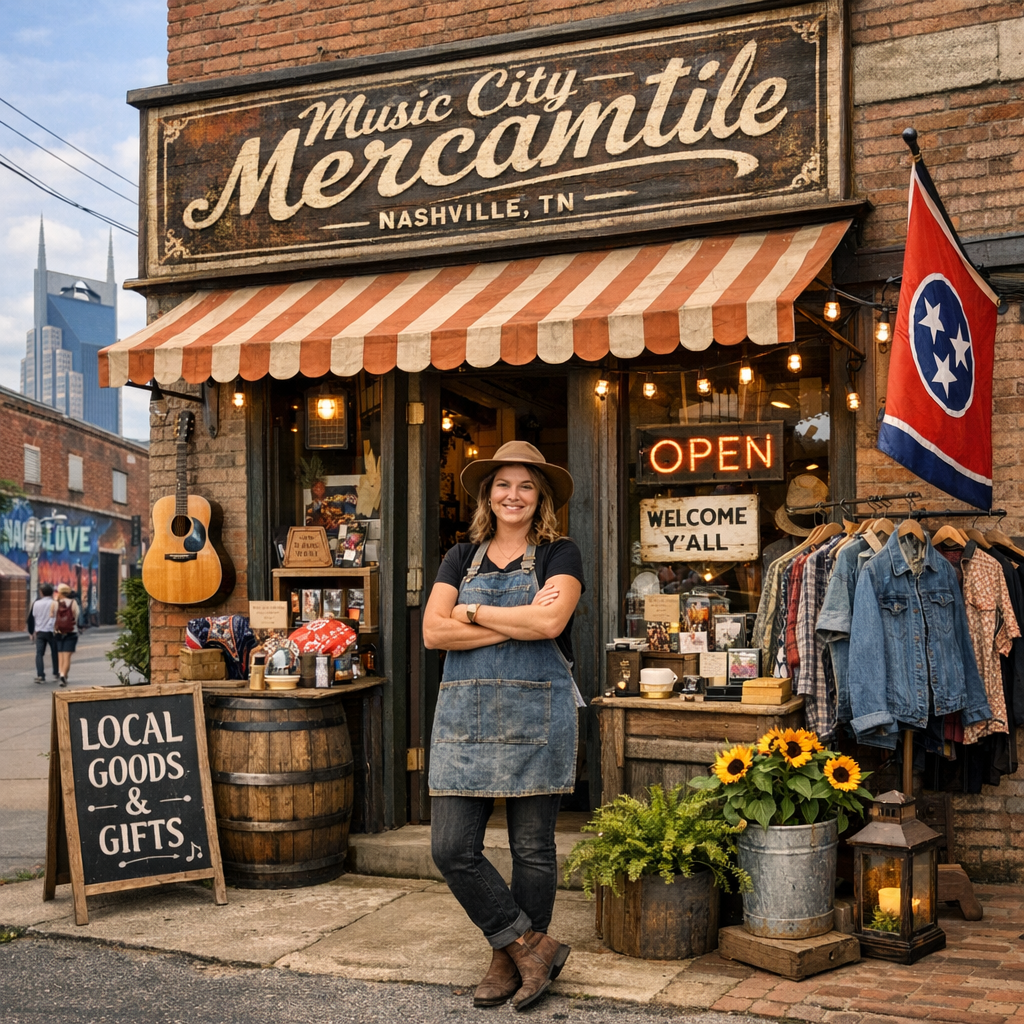
Nashville’s economy continues to attract investment across tech, healthcare, real estate, and hospitality—corporations are relocating or expanding, class-A building stock is increasing, and commercial real estate activity is strong. But with opportunity comes pressure, especially for smaller businesses facing rising rental costs, displacement, and an accelerating cost of doing business.
Business Confidence Tempered by Structural Challenges
The newly released Middle Tennessee Business Confidence Index shows regional sentiment still positive but cooling slightly. Key areas of concern: housing affordability, property taxes, and burdensome permitting and zoning processes. Many businesses say those challenges now compete with more classic concerns like sales and hiring in terms of urgency.
Startups and Job Growth Offer Promise
Local startups continue to hire aggressively, especially in healthcare-tech and biotech, bringing hundreds of new jobs. These sectors benefit from Nashville’s existing strengths in health systems and a growing talent pool. Hybrid and remote work models are increasingly common, and scale-stage companies are able to offer pay that competes with larger markets.
Where City Policy Meets Local Realities
City officials have rolled out new initiatives aimed at supporting small and legacy businesses: expanding property investment incentives, workforce advancement programs, and establishing protections for longstanding businesses in high-growth areas. These are aimed at bolstering affordability and preserving Nashville’s character amid rapid change.
What Entrepreneurs Can Do Now
- Explore creative partnerships with landlords or neighboring businesses to share space or negotiate lease terms.
- Engage in local business cohorts, incubators, or mentorship networks to build capacity in navigating regulations and finances.
- Leverage city programs and grants—particularly those aimed at legacy businesses and workforce development.
- Advocate for policies around zoning, permitting, and property tax that balance growth with small business sustainability.
- Focus on niche markets or concept differentiation to stand out in a crowded field.
Nashville’s economy is in flux—not just growing but transforming. For local businesses, it’s not enough to ride the wave; success will come at the intersections of innovation, community engagement, and leveraging policy wisely. And for businesses, residents, and city leaders alike, preserving what makes Nashville home means being intentional about growth.