

Hello, I’m William Thompson. Nashville’s weather has always felt alive—but recent years have brought changes that are unmistakable. From extended summers to more intense storms, many of our seasonal patterns are in flux. Here’s a look at what’s shifting, why it matters, and what we can all do.
Longer, Hotter Summers & Delayed Fall Cool
Middle Tennessee is seeing summer heat hanging on longer than in decades past. Official reporting shows that fall’s cooler transition—those crisp nights and gentle breezes—has been delayed. This shift isn’t just about comfort: prolonged summer heat raises risks for heat-related illness, higher energy costs, and stress on vulnerable neighbors.
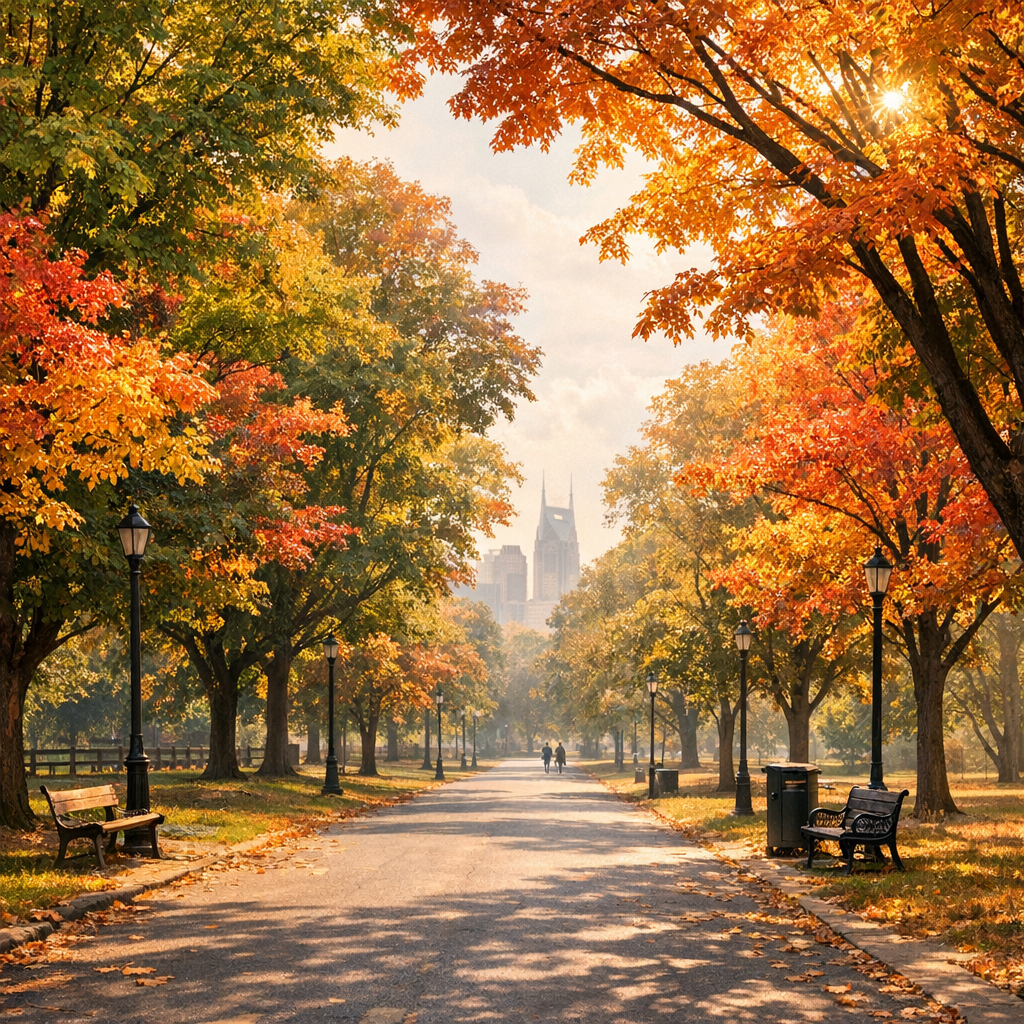
Fewer Freezing Nights, Changes in Fall Color
Historically, Nashville has endured many cold nights where temperatures dip below freezing—but recent trends show those are becoming rarer. Many plants rely on cold triggers to start their fall color—chill-chasing trees may now change color later and over a shorter window than generations ago.
Rain Patterns: More Extreme Events, More Whiplash
Another shift we’re living through is the rise of intense rain events punctuated by dry spells—a climate “whiplash” where periods of heavy precipitation quickly follow dry ones. Nashville’s infrastructure—from streets to storm drains—is under increasing pressure when rainfall comes in severe bursts. At the same time, evaporation and soil moisture change mean droughts are still a concern, even when total annual rainfall doesn’t drop much.
Why These Changes Are Happening
- Climate warming: Average temperatures are rising, making both day- and night-times warmer. This shifts the timing and intensity of seasons.
- Urban heat islands: Concrete, pavement, and buildings absorb and re-radiate heat—making city centers warmer than rural areas, especially at night.
- Extreme precipitation trends: Warmer air holds more moisture, meaning storms often release more rain in shorter spans.
How This Affects Daily Life
These weather changes ripple across life in Nashville:
- Health & Comfort: Longer heat exposure means more air-conditioning, more heat stress, and more risk for people without cool indoor spaces.
- Agriculture & Gardening: Warmer falls and fewer freeze nights can disrupt planting schedules, pest behavior, and crop cycles.
- Infrastructure: Streets, culverts, and stormwater systems built for past norms may fail under intense storms.
- Leaf Watchers & Nature Lovers: Fall color may arrive later, fade faster, or seem less vivid in some years.
What Can Nashville Do to Adapt
- Support green infrastructure—like rain gardens, permeable pavement, and tree planting—to absorb stormwater and cool neighborhoods.
- Follow local forecasts and heat alerts; protect pets and elders during heat waves.
- Stay involved in climate resilience planning—Metro Nashville’s adaptation plan includes preparing for heat waves, flash floods, and extreme storms.
Change is happening, right outside our doors. Understanding how Nashville’s seasons are shifting helps us adapt—and protect both our community and the environment. I’ll be keeping an eye on how these patterns evolve. Until next time, stay cool, stay safe, and stay alert.