

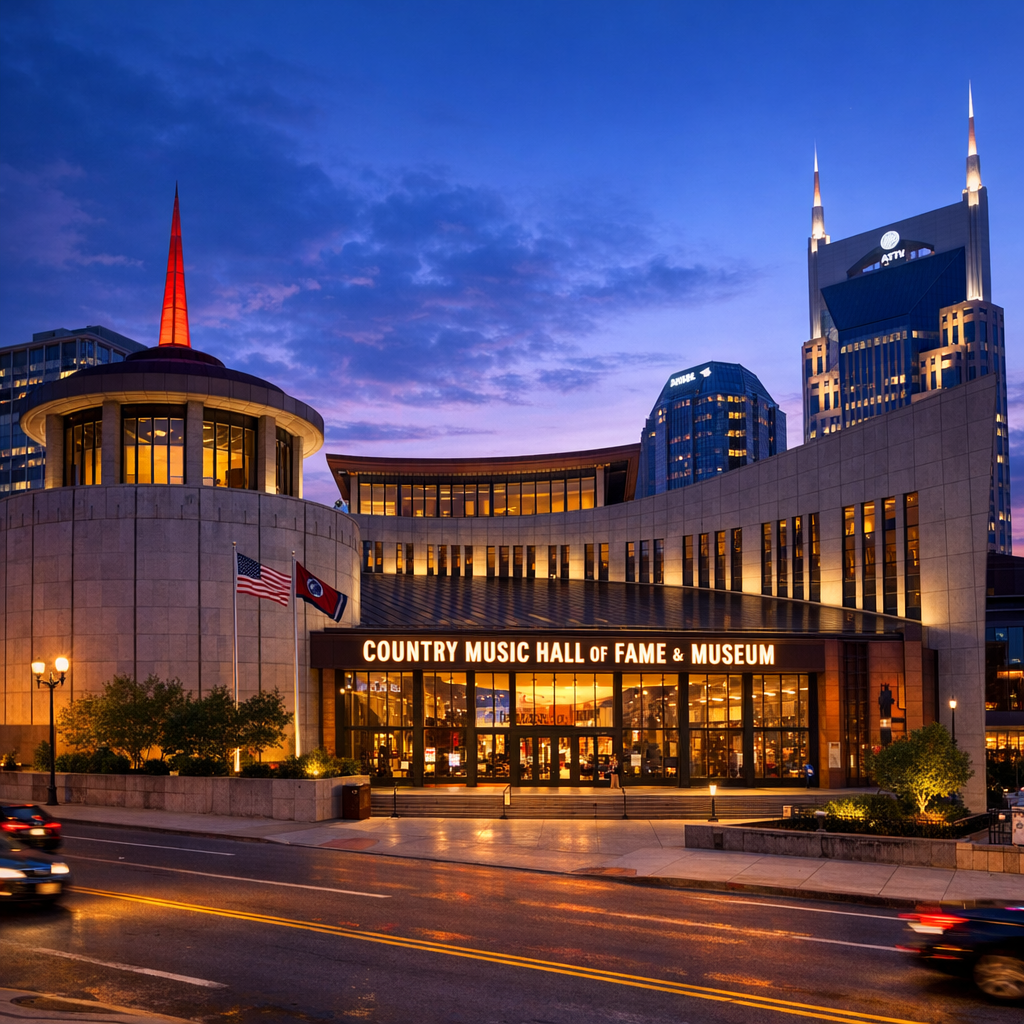
It’s hard to talk about Nashville without mentioning its legendary music scene. But the city’s cultural tapestry goes far beyond honky-tonks and country; our museums, festivals, galleries, and public art tell stories that stretch from the frontier to the avant-garde. I’m David Hernandez, your guide to Music City’s vibrant arts & culture that deserve more than just a soundtrack.
Museums that Make More Than Memories
Nashville is home to institutions that aren’t just repositories—they’re living encounters with history and creativity. The Frist Art Museum, in the historic downtown post office, programs rotating exhibitions with national scope while anchoring local engagement.
The Tennessee State Museum offers always-free insight into the state’s layered past—from Indigenous histories to civil rights to modern developments.
Don’t miss the National Museum of African American Music, which weaves genre, identity, and legacy into an emotional and educational journey through the African American contribution to sound.
A powerful stop is Fisk University’s Van Vechten Gallery, where classic works intersect with local expression, often free to explore, and always rich in context.
Festivals & Outdoor Celebrations That Define Community
Nashville’s festival calendar moves with our culture, celebrating tastes, colors, and stories. Artville, held annually at Walk of Fame Park, features murals, immersive installations, and artisans brought together under the open sky. It’s free, it’s walkable, and it’s a pageant of creativity every year.
For quirky flavor, the Tomato Art Fest in East Nashville gives us a weekend of regional art, food indulgence, family-friendly street vibes, and turns even a tomato into an exhibit of joy.
Neighborhood Galleries & Public Spaces
You don’t need a ticket to engage with art in Nashville’s streets and smaller venues. East Nashville galleries, Zeitgeist in Wedgewood-Houston, and commercial spaces around Belmont offer contemporary works and sometimes edges that larger institutions don’t explore.
Centennial Art Center in Centennial Park is a great example of adaptive reuse: built in the 1930s as a swimming complex, now a hub for visual arts learning, exhibitions, and historic preservation with its deep civil rights roots.
Why This Matters
These places and events aren’t decor—they’re touchstones. They help us process where we’ve been, what we’re becoming, and who belongs. When festivals, galleries, and museums are accessible—free days, public art, performances in parks—they enrich lives, build connection, and remind us that creativity belongs to everyone.
Tips for Engaging Deeper
- Check calendars: Rotating exhibits and festival line-ups change often. An institution may be closed on certain days, or a show may end without much warning.
- Seek out the free: Many galleries and special events are free or offer free-admission days. It’s a great way to support without spending a lot.
- Support local artists: If a gallery features work by Nashville artists, buy a piece, attend an opening, or spread the word—it makes a real difference.
Next time someone calls Nashville “just music,” you’ll have stories and places ready to prove how wrong they are. Our art, festivals, and cultural life are symphony enough.