

By Michael Williams
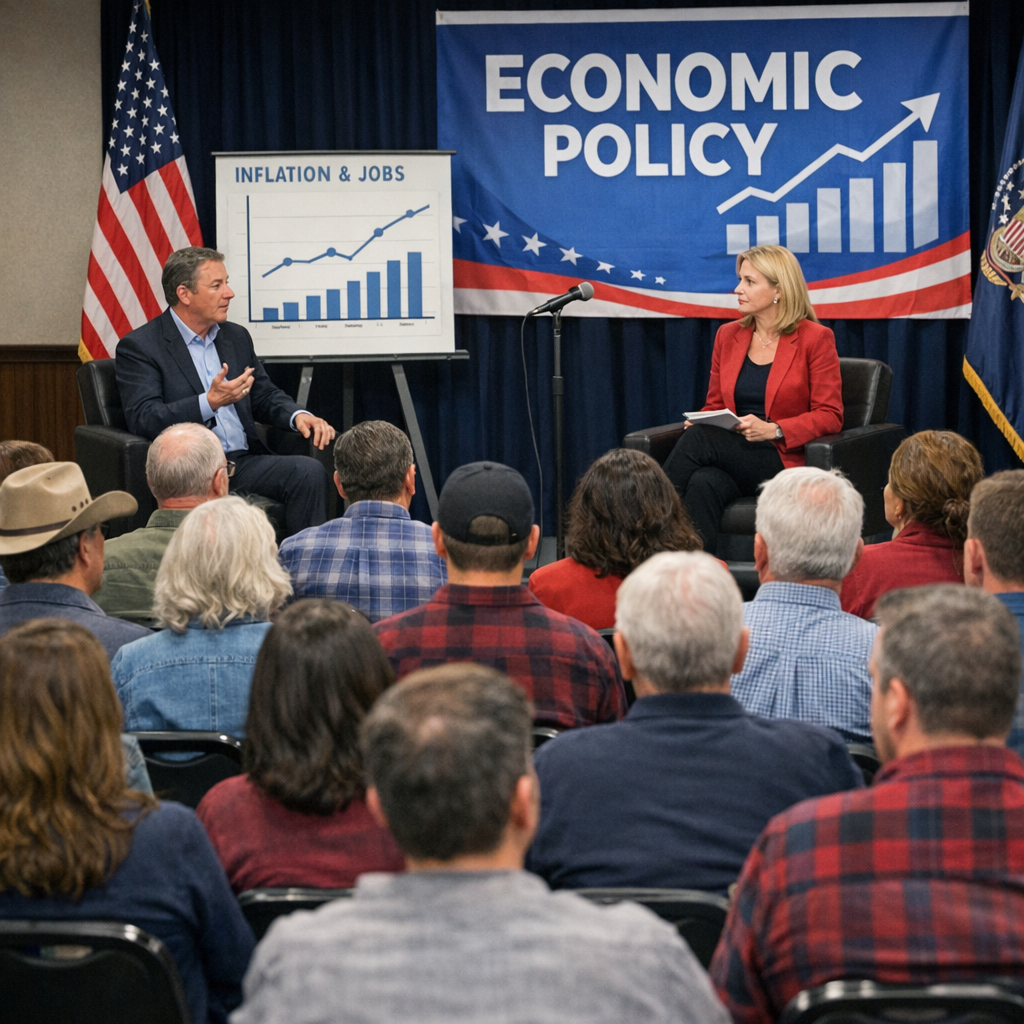
As the 2026 midterm elections draw nearer, economic issues are increasingly defining the national political landscape. Voters across the country are expressing skepticism about how they, their communities, and the nation as a whole are faring — and their evaluations are influencing views on both parties and leaders.
1. Rising Concern Over Economic Conditions
Recent polling data shows that a majority of Americans view current economic conditions negatively. Just about a quarter say things are “excellent” or “good,” while many more classify the economy as “only fair” or “poor.” Much of this sentiment revolves around persistent inflation, high costs of essentials, and perceptions that economic gains are unevenly distributed. Democrat and Republican perspectives differ sharply, but both lean toward dissatisfaction.
What’s fueling the frustration?
- Prices for food, housing, healthcare, and energy remain among top sources of anxiety.
- Mortgage and rent pressures continue even as job growth remains modest.
- Many Americans worry about their ability to make ends meet, despite employment being relatively strong.
2. Job Growth and Inflation: A Delicate Balance
Official data shows continued job creation, though gains are not always meeting expectations. New jobs have been added in sectors like education and hospitality, yet wage growth has lagged behind inflation, keeping real earnings under pressure.
Meanwhile, inflation — though off its peak — remains sticky. Central banking authorities maintain that controlling price increases is a top priority. Interest rates and housing market challenges are part of this complex picture.
3. Political Implications as Voter Sentiment Clarifies
Unease about the economy is reshaping political dynamics. Many voters perceive the current administration’s policies as making economic conditions worse, and support fluctuates depending on how directly individuals feel impacted. Republicans’ favorable views of economic policy have cooled somewhat, while among Democrats, negative judgments remain strong and steady.
These perceptions lead to more than just complaints — they factor prominently into voter decisions. For candidates on both sides, crafting messages that address affordability, stabilizing prices, securing jobs, and projecting economic competence may be decisive.
4. What Patrons Should Watch
Here are issues likely to stay front and center:
- Success or failure in restoring and maintaining price stability.
- Whether wage gains outpace or keep up with inflation.
- Housing affordability, especially in urban and suburban settings.
- Policymakers’ handling of energy costs and supply disruptions.
- Voter responses to trade, taxation, and government spending proposals.
In short, economics are no longer the backdrop: they are often the stage. With so much at stake, candidates and officials who acknowledge citizens’ day-to-day struggles while offering credible solutions stand to gain. Nashville readers may watch how these national trends play out in Tennessee, where cost pressures, job markets, and local investment all intersect in meaningful ways.