

By Sophia Anderson
In recent months, City Hall and community leaders have moved aggressively on several fronts: tightening rules for data center construction, rolling out critical transit infrastructure, and launching safety upgrades on high-risk roads. Below are three major developments shaping Nashville’s landscape today.
1. Stronger Regulations on Data Centers
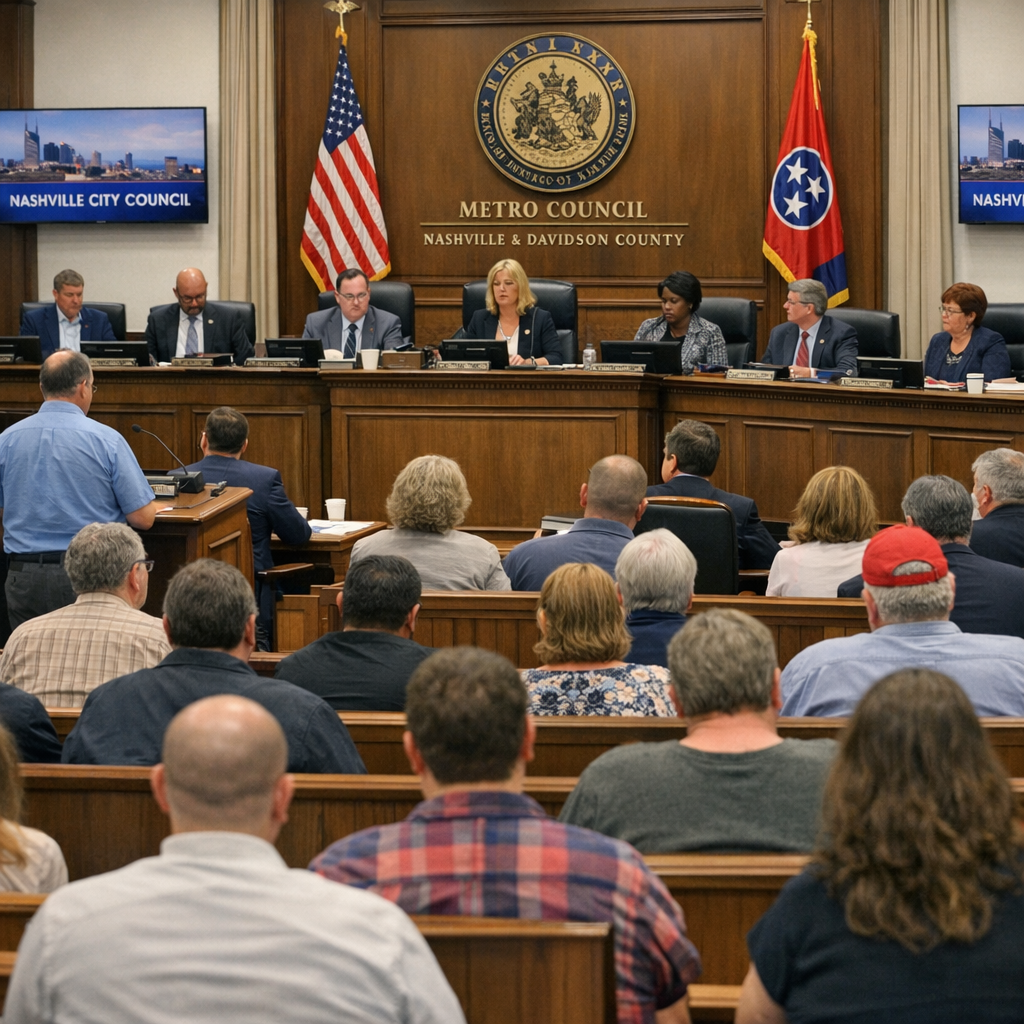
Concerned residents and elected officials have raised doubts about large-scale data centers, especially proposed sites near the Nashville Zoo and Fisk University. In response, Metro Council passed BL2026-1391, a bill that imposes stricter zoning rules for data centers and mandates greater oversight. A companion measure, BL2026-1448, declares a temporary moratorium on approving new data center permits while those regulations take effect.
Public opposition was intense: over 200 people spoke during the meeting, citing environmental risks such as noise, water use, and damage to wildlife. Advocates and Councilmember Rollin Horton have pushed for more guardrails to prevent what they see as unchecked growth in data center construction.
2. Choose How You Move: Transit, Sidewalks and Safer Streets Gaining Traction
The city’s voter-approved Choose How You Move initiative has entered a phase of real-world change. Already, Nashville has invested more than $160 million in projects updating transit service, upgrading signals, improving sidewalks, and prioritizing safety. Projects underway include smart signals, expanded bus routes, and infrastructure that improves access for people walking and wheeling.
One featured project is the Gallatin Pike and Main Street corridor. Recognized on Nashville’s Vision Zero High Injury Network, this stretch is seeing safety interventions—like enhanced crossings, new signage, intersection improvements, and school zone updates—along with long-term planning for dedicated transit lanes and bus service enhancements.
3. Community Character, Zoning and Neighborhood Concerns
Residents in neighborhoods from Madison to Madison Heights are pushing back against development projects they feel threaten local character. The council approved new contextual overlay districts aiming to preserve residential scale, tree cover, and neighborhood identity, even as zoning changes and mixed-use plans continue elsewhere.
Meanwhile, a major development—the Vanderbilt Innovation Neighborhood—advanced with amendments that reduce building heights, include traffic-calming funds, and form an advisory committee meant to give neighbors greater input. The intent is to balance economic growth with quality of life concerns in historic and residential areas.
What’s Ahead
- Third readings of the data center bills, likely finalizing restrictions and the moratorium.
- Further rollout and community feedback on Choose How You Move projects.
- Continued debate over rezoning and overlay policies to manage growth pressure.
For Nashville, these are more than policy debates—they are choices about how to grow, how to protect neighborhoods, and how to ensure safety and mobility keep up with development.