

New City Programs Back Small Businesses
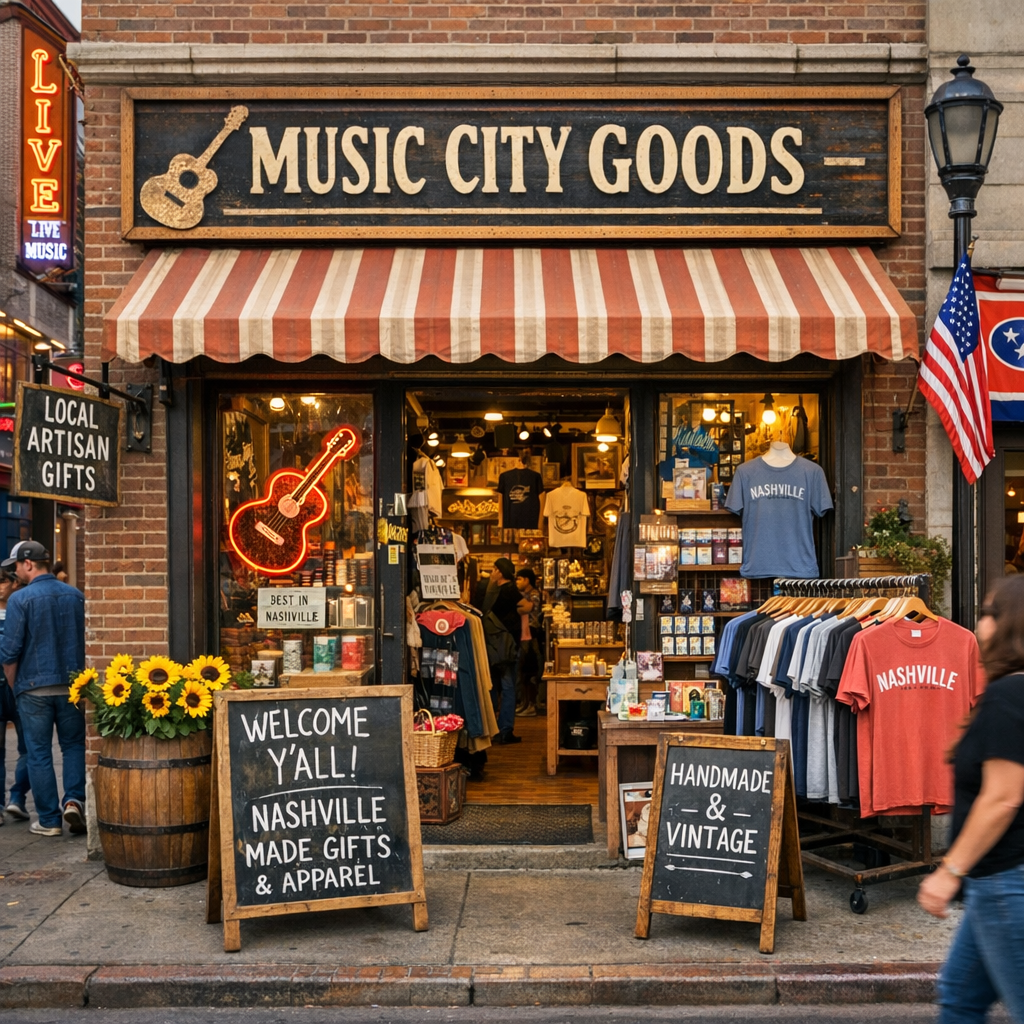
Mayor Freddie O’Connell recently rolled out a trio of programs aimed at giving Nashville’s small businesses more breathing room in an increasingly expensive operating environment. These include a Legacy Business Program for firms that’ve been community fixtures for 15+ years, a Workforce Advancement Incentive to offset the cost of employee training, and an expansion of the Property Investment Incentive that now covers more buildings and supports interior improvements.
Economic Trends: Growth & Strain
The Nashville metro area has been adding jobs steadily, especially in healthcare, technology, and advanced manufacturing. Vacancy in industrial real estate has edged up as new supply outpaces demand in some districts, but rents remain on the rise. Meanwhile, business confidence is coping with headwinds—housing costs, permitting delays, and recruitment challenges are among the top concerns.
Challenges Remain for Entrepreneurs
Small businesses say that inflation, rising property taxes, and the high cost of living make it harder to retain staff and stay viable. In surveys, residents and business owners alike say affordability is a critical issue—both for housing and operating expenses. These pressures are sharpening the divide between fast-growing firms with unseen scale and legacy neighborhood businesses without the same margin for adaptation.
Opportunities in Policy & Innovation
The city’s new programs offer tangible support—grants that cover modernization, operating cost reductions, and workforce development. Also worth noting: incentives for relocation or expansion are attracting larger companies, creating secondary demand for suppliers and service providers. An educated workforce and a growing base of tech and professional services firms make Nashville attractive for both startups and established operators planning long-term investment.
What Business Owners Can Do
- Explore eligibility for city programs—legacy status or expansion plans may unlock grants or matching funds.
- Prioritize staff development where possible—programs exist to offset training costs.
- Plan operations with property costs in mind—location and building type now matter more than ever.
- Engage with local business networks to stay informed on zoning/permitting changes and collective advocacy.
With the right strategic moves—and full use of available support—many Nashville small businesses have a fighting chance to thrive even amid rising costs and competition. Policy shifts may make the difference between closing and growing.