

By Olivia Nguyen
NASHVILLE — Collegiate athletics are evolving fast, and Vanderbilt University is pushing the envelope. The Commodores recently launched a novel “MIL” (Mentorship Influences Lives) deal that blends NIL opportunities with mentorship and community-focused health initiatives.
What is MIL?
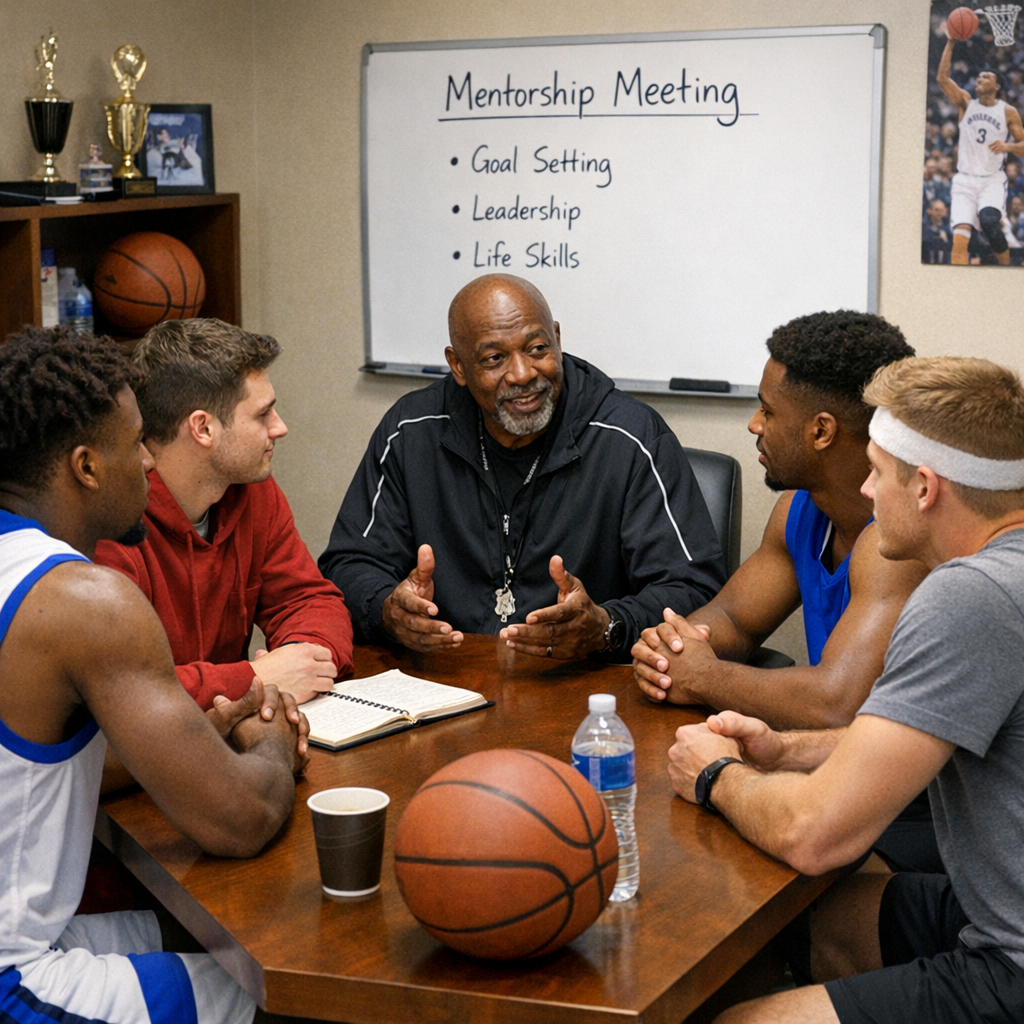
Rather than simply monetizing name, image, and likeness rights, Vanderbilt’s men’s basketball players have been paired with Nashville business leaders for mentorship tracks. The first deal features guards Chandler Bing and Mike James working with Iris Medical Group’s CEO, building real experience in operations, leadership, and healthcare. The model serves dual purpose: developing athletes off the court and investing back into the city at large.
Expanding Youth Health Access
As part of the partnership, Vanderbilt is growing its Youth Sports Health Center—a facility that already treats high school and prep athletes. The new MIL relationship includes fundraising and community care support from Iris, aiming to elevate performance and safety for young athletes across Tennessee.
Why This Matters Locally
- Provides access to athletics health services that were previously available only at Division I or professional levels.
- Strengthens the bridge between college athletes and local business leaders—creating mentorship, job exposure, and new role models.
- Aligns with broader trends in how NIL can serve social good, not just commercial opportunity.
Challenges and Opportunities Ahead
Scaling the MIL model will require sustained funding, thoughtful partnership matching, and ensuring that young athletes are aware of the resources available. But if done right, this approach could help Vanderbilt set a standard in collegiate athletics for integrating community care and athlete development.
Looking Forward
Vanderbilt’s campaign for women’s athletics—”Anchored for Her”—is already raising tens of millions to support equity and competitive growth. Combined with MIL, these efforts signal a deeper shift: athletic success is not just wins and losses, but health, growth, and impact beyond campus walls.
For youth athletes, high school coaches, and parents in Nashville, this is more than sports—it’s a chance to build infrastructure, opportunity, and care where it has been uneven. NIL isn’t just earning; it’s serving.