

By Isabella Baker
Nashville is more than music—it’s a city full of neighborhoods, outdoor gems, and people committed to better health. Whether you’re starting a fitness habit, caring for your mental health, or simply aiming to add more balance to daily life, here’s a roadmap designed to help explore what’s already thriving here and build healthy practices forward.
Find Your Community at a Local Gym or Studio
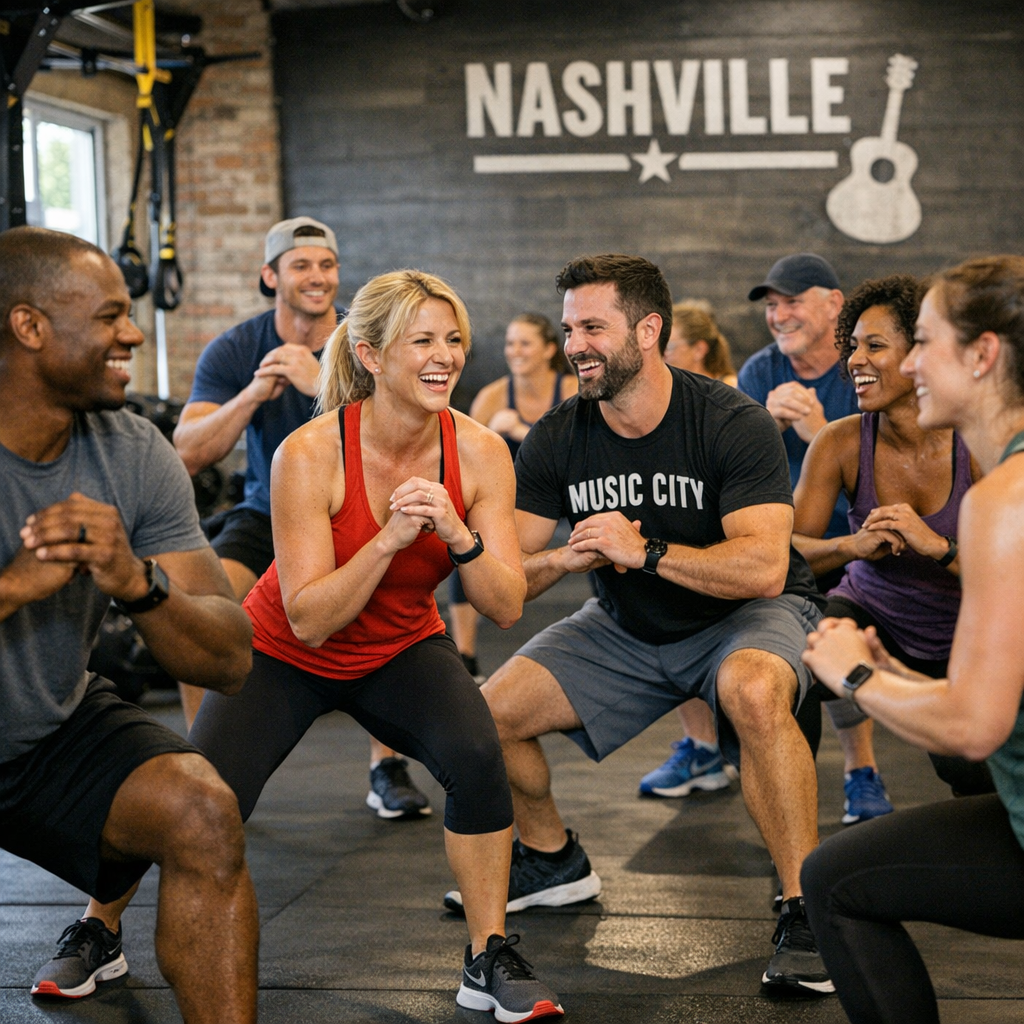
Connection matters. Gyms that bring people together make sticking with wellness goals easier. In Nashville, there are a variety of gyms known not just for equipment, but for how welcoming they are.
- Boost FitClub in Antioch offers fitness, sports fields, nutrition services, youth classes, and a space for families to move together. It’s built to support all ages.
- Fit Factory Nashville blends strength and conditioning with expert coaching, and its atmosphere is intentionally inclusive—everyone’s welcome, regardless of where you start.
- QNTM Fit Life in downtown gives you 24/7 access, recovery tools like saunas and Theraguns, and options to train hard or recover with support.
- Metro Parks Fitness Centers offer neighborhood-accessible facilities and some regional locations with more amenities. Plus, neighborhood centers are free, making fitness more affordable nearby.
What to Look for When Choosing a Space
- Coaching and instruction that adapt to your fitness level.
- Space that matches your needs—daytime/open gym hours or 24/7 access.
- Facilities that support recovery: showers, saunas, wellness tools.
- A community vibe—supportive people make pushing through tougher days easier.
Nurture Mental Health Alongside Physical Wellness
Physical health and mental health go hand in hand. Many Nashvillians are finding mental wellness in unexpected places—while working out, walking greenways, or using public resources.
- Be Well at NPL—Nashville Public Library’s wellness classes, meditation gatherings, and health education programs are open to everyone.
- Try group or solo movement: walking greenways, light stretching, and outdoor time can lower stress and boost mood.
- If you’re unsure where to start, working with a therapist, counselor, or coach can help build habits that support your emotional resilience.
Simple Habits That Build Long-Term Health
Big changes often come from small shifts. These habits can make wellness feel less like a project and more like part of your daily rhythm.
- Move daily: even 20 minutes—walks, dance, stretching, or something you enjoy.
- Fuel well: aim for balanced meals, hydration, and making room for treats without guilt.
- Recover: sleep well, take rest days, use tools like foam rollers or saunas if possible.
- Create structure: routines for sleep, work, workout, and downtime help reduce stress and decision fatigue.
Getting Started Without Pressure
If starting feels overwhelming, try these first steps:
- Set one small goal (e.g. “walk three times this week,” or “stretch five minutes before bed”).
- Try free or low-cost options—community centers, intro classes, or visiting a library wellness event.
- Track what feels good—when you move, rest, or eat well—and learn what helps your mood and energy.
- Be patient with progress. Gains often come quietly.
Whether you’re exploring a new gym, carving out space for your mind, or simply building a morning habit—health isn’t a sprint. It’s a journey we get to design. You’re here. You’ve started. Keep going.