

By Sophia Anderson
Nashville is seeing ongoing shifts in key city-level issues—from traffic safety interventions to transit expansions and debates over data center regulation—that are shaping daily life for residents.
Road Safety Initiatives: More Protection for Pedestrians
Metro Nashville has rolled out a series of road safety upgrades across major corridors, including the installation of concrete barriers and raised crosswalks, especially in areas where pedestrian crashes have been disproportionately high this year. These changes aim to reduce the number of traffic-related deaths and protect vulnerable road users as the city works toward safer streets.
Choose How You Move: Transit, Signals, Sidewalks
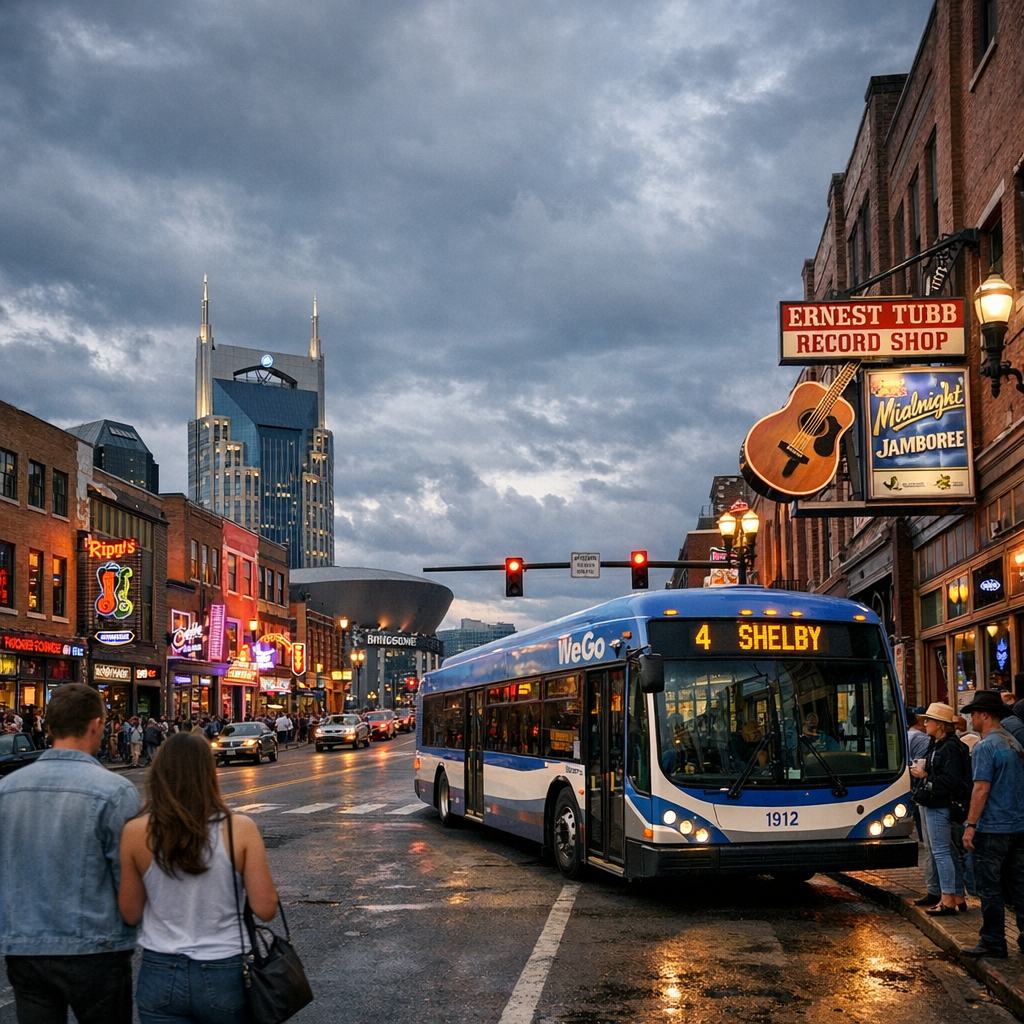
The Choose How You Move program continues to deliver tangible improvements. Recent progress includes expanded transit service—more buses, extended hours, and enhanced service for riders with disabilities. Work is also underway to upgrade signal systems with smart traffic signals, and the city is filling missing sidewalk links to improve walkability. These efforts are framed around funding voter-approved programs and infrastructure investments across Nashville.
Data Centers Under Scrutiny
The rapid growth of data centers in Nashville has sparked debate among residents and officials. With nine already operating and others in the pipeline, concerns are being raised about their environmental impact, energy use, and effects on neighborhoods. In response, city leadership is exploring regulations, including a moratorium on large-scale “hyperscale” data centers above certain size thresholds, additional reviews, and more public engagement before approval.
City Council Moves & Community Input
Metro Council has recently discussed proposals like banning most right turns on red lights to improve safety and reduce accidents. It’s also weighing resolutions and ordinances related to data center oversight. Meanwhile, public participation is a key part of decision-making: many projects and policies are being opened for feedback through the city’s Engage Nashville platform, where residents can sign up to weigh in on everything from transit route changes to development proposals.
Why It Matters
These ongoing efforts reflect a broader balancing act: managing growth, ensuring safety, and maintaining quality of life. For Nashvillians, that means infrastructure that works for people, not just cars—public transit that connects communities, walkable streets, and rules that protect neighborhoods from industrial overreach. As these policies unfold, community awareness and participation will be critical in shaping outcomes.