

By Sophia Anderson
What is the Unified Housing Strategy?
Nashville’s Unified Housing Strategy (UHS) is a citywide roadmap designed to make housing safer, more stable, and more affordable. It builds on past efforts like the 2021 Affordable Housing Task Force by bringing together public agencies, nonprofits, developers, and neighborhood groups. The plan covers multiple fronts: creating new housing units, preserving existing ones, and offering support to people at risk of losing their homes. It reflects community feedback gathered in recent years through surveys, listening sessions, and public forums.
What Funding and Policies Are in Play
- Barnes Fund Boost: Nashville allocated $16 million to the Barnes Fund for creating and preserving affordable housing.
- Eviction Protection & Home Repairs: The budget includes money for eviction right-to-counsel, home repairs for vulnerable residents, and long-term investments like permanent supportive housing.
- Affordable Rental Project Funding: MDHA’s recent call for applications targets projects that accept incomes up to 60% of Area Median Income, especially by nonprofits. Some funds are reserved for Community Housing Development Organizations.
- Nashville Catalyst Fund: A public-private effort that recently closed over $11 million in loans to create or preserve 490 affordable homes.
What You’ll See in Your Community
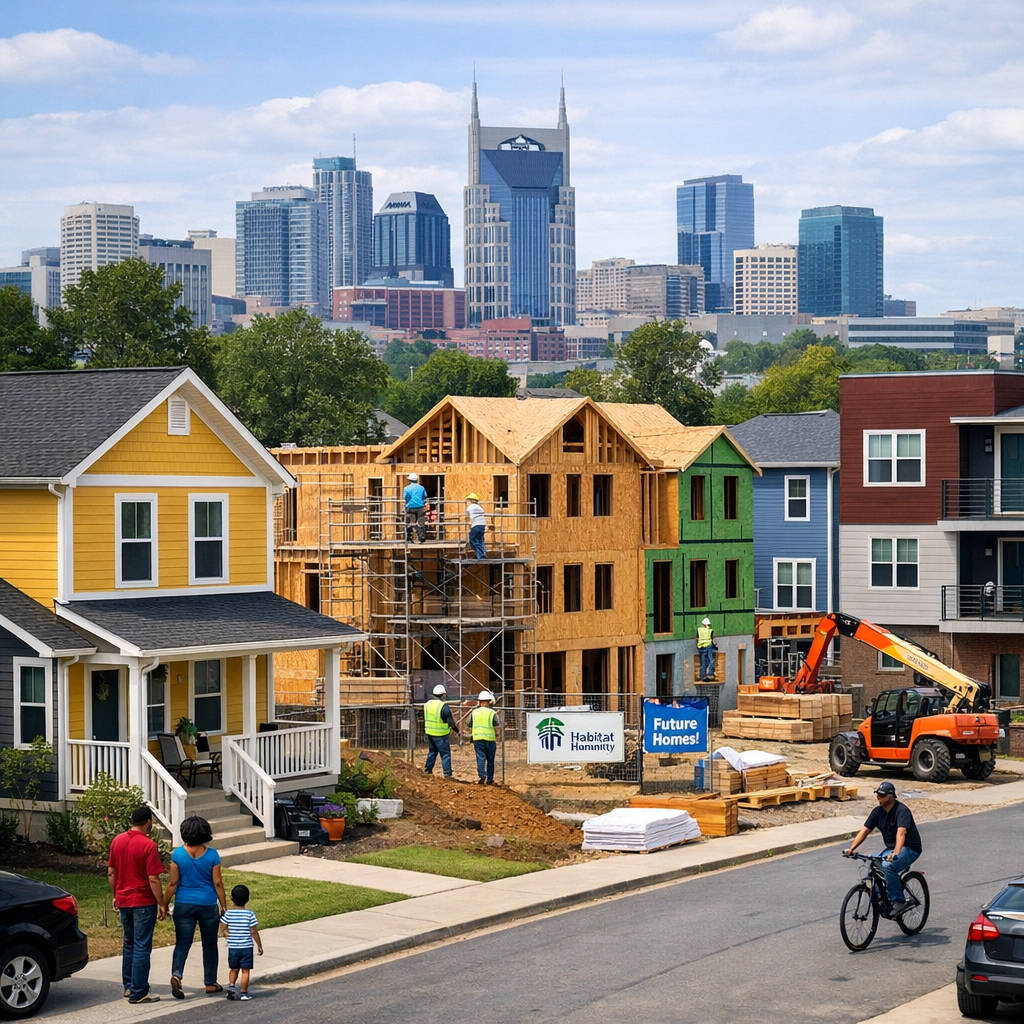
Families and residents in high-pressure neighborhoods can expect new or preserved affordable housing near transit corridors. The focus on “near transit, grocery stores, and existing infrastructure” aims to reduce commute times and improve access to essentials. Meanwhile, areas with older housing stock may benefit from repair programs and anti-displacement efforts aimed at preserving neighborhoood character.
What Still Needs Attention
Even with these plans, the gap between what’s needed and what’s funded remains large. Funding sources like ARPA are set to run out, and the city needs sustainable revenues and partnerships to meet demand. Also, ensuring that affordable housing is scattered equitably across neighborhoods—so all Nashvillians benefit—is a challenge. Policy and community oversight will be critical.
How You Can Stay Involved
- Watch for public engagement opportunities through Engage Nashville, where city planners seek input on land conservation, transit plans, and housing resource priorities.
- Attend Metro Council budget hearings and meetings—many of the housing programs depend on decisions made during these sessions.
- Connect with nonprofit housing advocates in your area. Local groups often partner with the city to deliver housing resources directly to neighbors who need them most.
Ultimately, the Unified Housing Strategy sets a framework—a set of promise and action. Its success will depend on consistent funding, transparent implementation, and active civic engagement. Nashville’s goal is ambitious: ensuring that every resident has a place to call home without fearing rent hikes, displacement, or instability. That’s a goal worth watching—and joining.