

By William Thompson
Climate Overview
Nashville, Tennessee, sits in a humid subtropical climate zone. Summers are hot and humid; winters are cool with occasional light snowfall. Year-round precipitation is abundant, though rainfall, temperature, and daylight vary significantly by season. Normal annual rainfall for the city is around 47 inches. Average highs reach nearly 90°F in July, while average winter highs fall in the upper 40s to low 50s°F. •
Seasonal Patterns & What to Expect
Spring (March–May)
Spring is one of Nashville’s wetter seasons, with frequent showers and thunderstorms. Temperatures climb steadily, moving from average highs in the 60s°F toward the 80s. The increased warmth and moisture set the stage for rapid plant growth and pollen production. For gardeners, late March and April are prime times for planting—but also be ready for extreme weather like hail or strong gusts as cold fronts collide with warm air masses.
Summer (June–August)
Summers bring heat and humidity. Daytime highs often hover around 90°F or above, and overnight lows rarely drop below the 70s. Afternoon thunderstorms are common, often building quickly in the humid air. It’s the driest stretch in terms of rainfall totals, but brief intense storms can lead to sudden flash flooding.
Autumn (September–November)
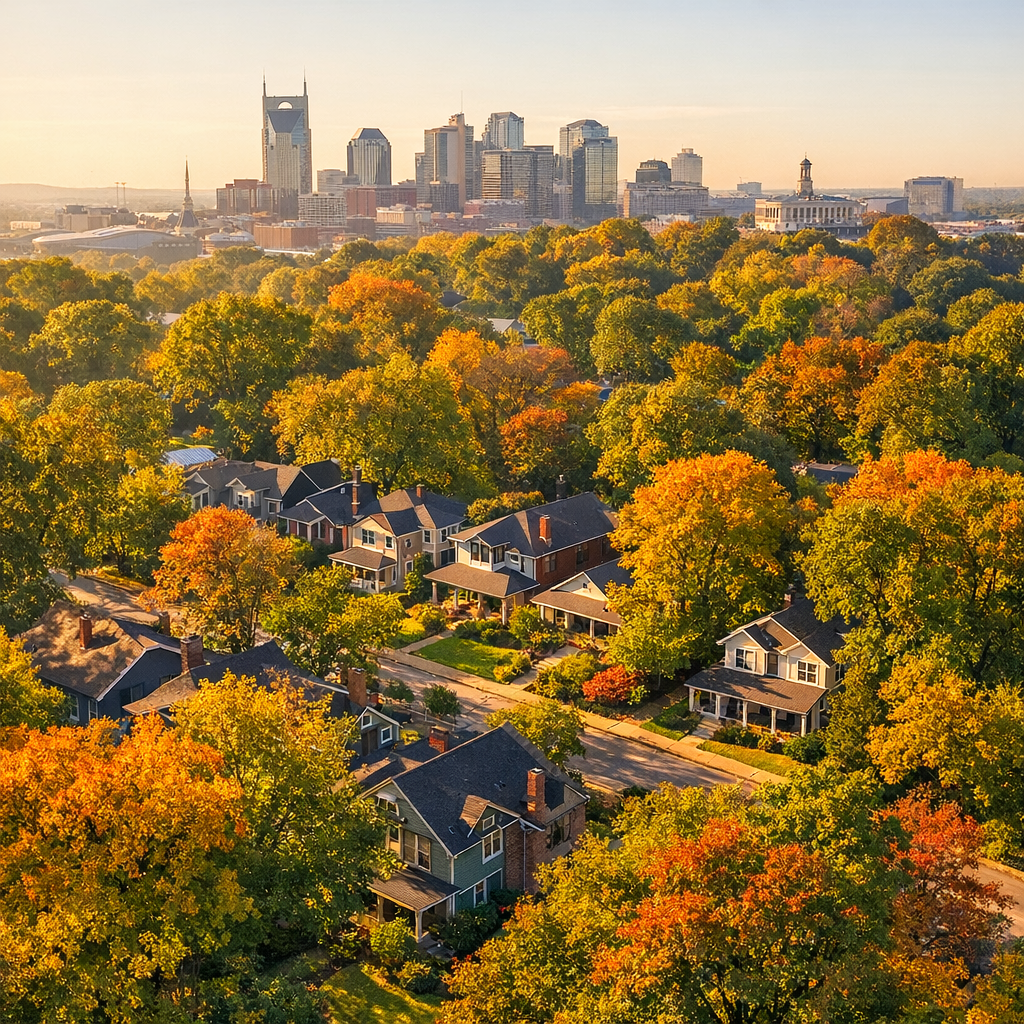
Autumn ushers in cooling temperatures and usually less rainfall, especially in early fall. September still holds warm days, but by October evenings lean much cooler. Leaf colors erupt, insects begin to fade, and the air becomes crisper. This season tends to offer the clearest skies and comfortable conditions ideal for outdoor activities.
Winter (December–February)
Winter in Nashville is cool to mildly cold. Snow is light and irregular, with most accumulation happening in January or February. Most winter nights dip into the 30s°F. Urban areas tend to stay warmer than rural surroundings—city heat, insulation, and infrastructure can keep temperatures a few degrees higher at night.
Environmental Impacts & Long-Term Shifts
Several environmental trends are shaping Nashville’s weather behavior:
- Urban heat island effect: The city’s concrete, asphalt, and sparse tree cover in some neighborhoods contribute to higher nighttime temperatures compared to surrounding rural areas.
- Changing growing season: Spring arrives earlier than it once did, enabling earlier flowering and planting—but also extending pollen seasons and occasionally bringing late-season frosts.
- Extreme heat and heat waves: Nashville has seen more frequent and longer heat waves, especially during summer, raising concerns for public health, electricity demand, and community resilience.
- Weather variability: Extremes in rainfall—ranging from drought-like dry spells to episodes of heavy downpours—are becoming more common as shifting patterns in moisture intake from the Gulf and movement of storm systems evolve.
What This Means for You
Understanding these patterns helps you plan, stay safe, and get the most out of each season. Here are some tips:
- Stay informed about severe weather alerts, especially in spring and summer when thunderstorms and flashes risks rise.
- Manage heat exposure by seeking shade, staying hydrated, and monitoring vulnerable populations during hot spells.
- For gardeners, take note of frost dates—typically early April for last frost—and adapt planting times accordingly.
- Support greener city planning and canopy expansion to help mitigate urban heat and improve air quality.
While we can’t control the weather, knowing its rhythms and shifts gives us tools to thrive. By tuning in to seasonal trends and environmental changes, every Nashvillian can be better prepared and more resilient.