

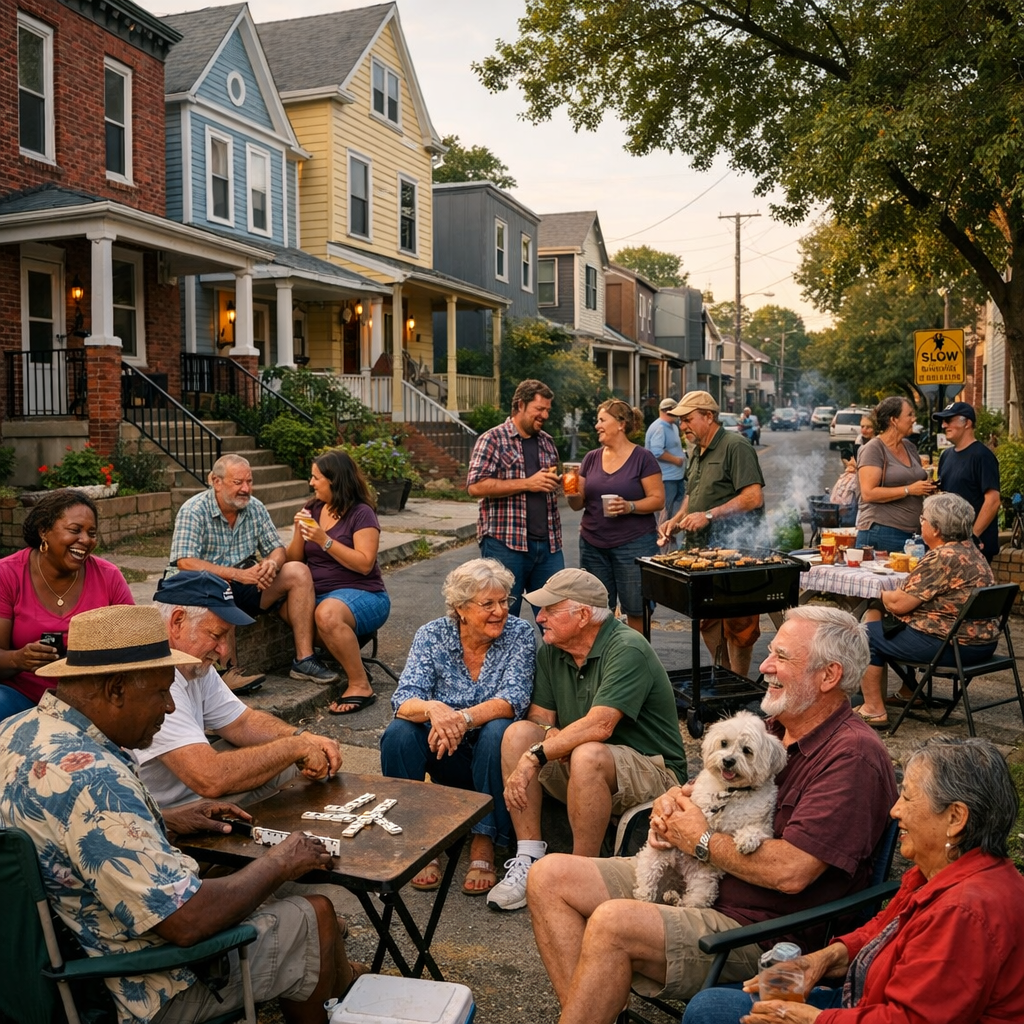
My name is Benjamin Lopez. I’ve lived in East Nashville for over a decade, watching our blocks change piece by piece—old houses swapped, residents priced out, that familiar voice at the corner store gone. I don’t share this because I long for a past that never existed in perfection—but because I refuse to let our city forget where it came from.
Belonging vs Sales Pitch
Imagine Nashville’s recent research found that while many people—around 77%—feel they belong here, there are large gaps based on income, race, age, and neighborhood. Folks in lower-income areas and longtime Black residents often say they don’t see themselves reflected in the investments being made. Public spaces or grand developments go up, but parks fill with people who just drive in, grab a photo, and leave. Our daily lives don’t change much. (Source: Imagine Nashville research)
The Price of Unplanned Growth
Affordable housing keeps coming up as Nashville’s biggest concern. A recent poll showed 73% of Nashvillians demand answers on housing prices—they worry they’ll be pushed out of the city they’ve always called home. Meanwhile, when multifamily housing is proposed, resistance shows up—not just from concerns about crowded streets, but from fear that “new” means “not welcome.” (Source: Vanderbilt Poll)
What We’re Seeing From the Ground Up
- Longtime businesses—small shops, diners—closing because rents double after fancy apartments take over.
- Neighbors who still work multiple jobs shut out of buying in the ZIP codes where their families have lived for generations.
- Discomfort growing: walking sidewalks you helped build, but no place to sit at night because lighting’s been ignored; transit routes shifting with few heads-up.
So What Can We Do?
This isn’t just about preserving vintage homes or opposing new skylines. It’s about choices—and who makes them. Here are some things that give me hope:
- Designing housing policies that let multiple generations stay in place—smaller units, rentable spaces, ownership options for people not served by high-end developers.
- Listening deeply to those of us in long-tenured neighborhoods. When infrastructure plans come up—street repairs, sidewalks, lighting—our priorities need to guide them.
- Making investments in public transit and affordable connectivity—not just to downtown where glamour lives, but between neighborhoods where lives are lived.
- Supporting local businesses and storefronts. A strong neighborhood isn’t shaped by big chains but by the people who walk through the doors everyday.
A Call To Remember
Every city changes. Nashville will, too. But growth doesn’t have to equal erasing. Belonging doesn’t have to be a slogan—it can be our daily landscape.
Let’s remember to build with those who already live here, with those who’ve planted roots deep. If not, we’ll wake up one day and won’t recognize the place we once called home—and more worryingly, the people we were together.