

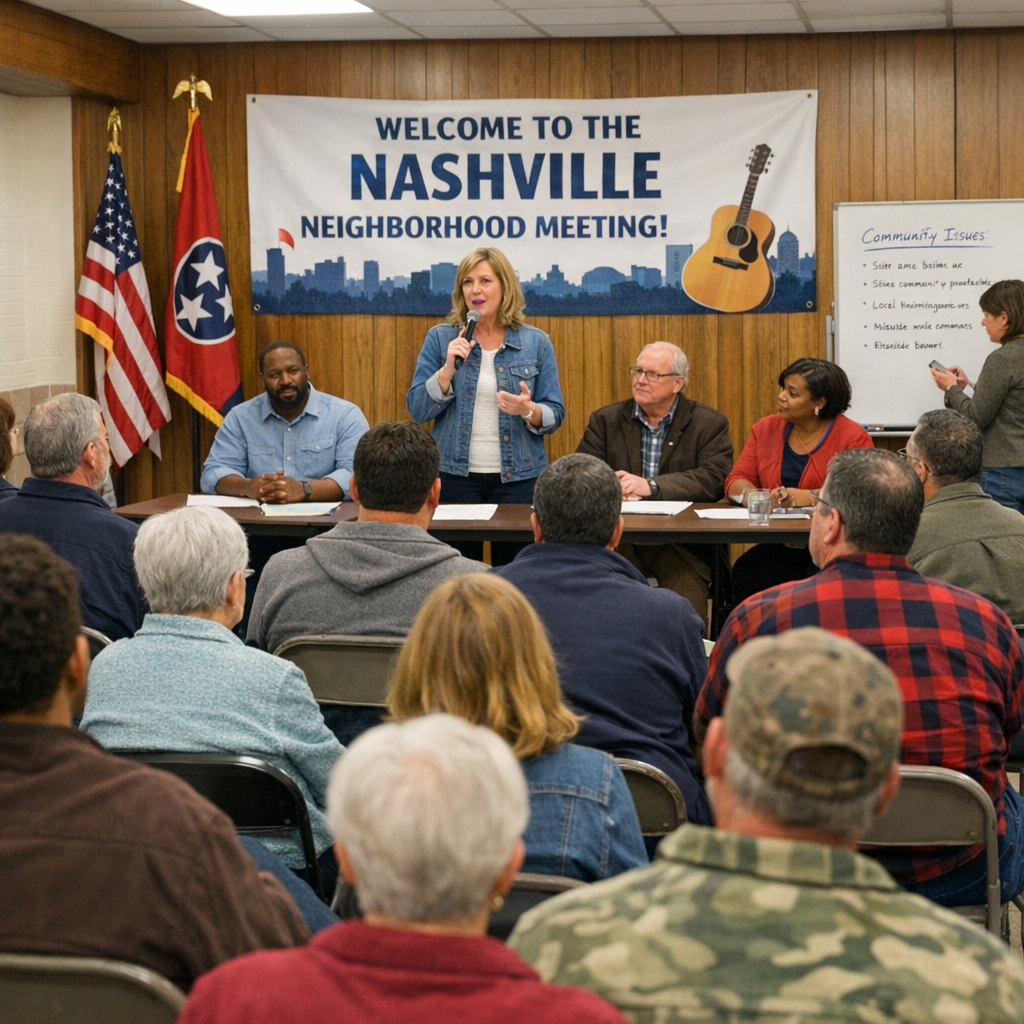
My name is Benjamin Lopez, and I’ve lived in Nashville most of my life. I’ve watched this city grow—skyward and outward—with new condos, new highways, and new faces. Some changes feel hopeful. Others leave long-time Nashvillians wondering: Do I still belong here?
The Power in Everyday Voices
When I walk around East Nashville or Victor Heights, I don’t just see homes and shops—I hear stories: the bus driver who worries about her evening schedule; the high schooler who doesn’t feel safe walking home; the family priced out and forced toward distant suburbs. These aren’t policy items in a report. They are voices that carry the real weight of living here.
Why Civic Engagement Isn’t Optional
Nashville now has platforms that want to hear from us: Imagine Nashville, for example, asked thousands of people across neighborhoods what values matter most—like housing affordability, mobility, and belonging. Many felt included; others said the benefits of growth haven’t reached them. It’s only by engaging that we can push for results that don’t skip entire communities. Anyone outside the halls of power needs to feel heard.
Zoning, Transit, and the Cost of Silence
Here’s where it gets concrete: zoning laws decide whether a neighborhood stays single-family or gets upzoned into denser apartments. Transit policy decides whether a bus route shuts off at dusk. When people don’t speak up, decisions happen—often without knowing who will be left behind.
How to Share Your Voice—And Be Heard
It’s one thing to feel like your voice matters, another to make it heard. Here are ways I’ve seen work in my community:
- Attend Metro Planning Commission or transit meetings. Sites like EngageNashville post project notices and invite public comment. Even a short email or comment can push officials to notice issues they didn’t expect.
- Join neighborhood nonprofits like SONN (Save Our Nashville Neighborhoods). These groups translate the concerns of ordinary residents into advocacy on zoning and development.
- Connect with local youth councils or advocacy networks. Young people often experience change differently—and they have ideas about everything from school safety to public transit.
- Use your story in writing—blogs, letters to newspapers, or social media posts. Personal stories can cut through numbers. When I shared my experience with merging transit schedules, the response wasn’t just policy—it was personal echoes from others who cared.
Belonging here Isn’t a Given, It’s Built Together
Nashville will keep growing. New towers and roads aren’t going away—but whether they add to or subtract from quality of life depends on whether the people who call this place home raise their hands and say: This helps. That hurts.
If you’re reading this and wondering if your voice matters—yes. It already does. Bring your questions. Voice your concerns. Demand spaces where your life—your street—your concerns—are part of the conversation. Our shared future depends on all of us being heard. I know I’m listening.