

By Michael Williams
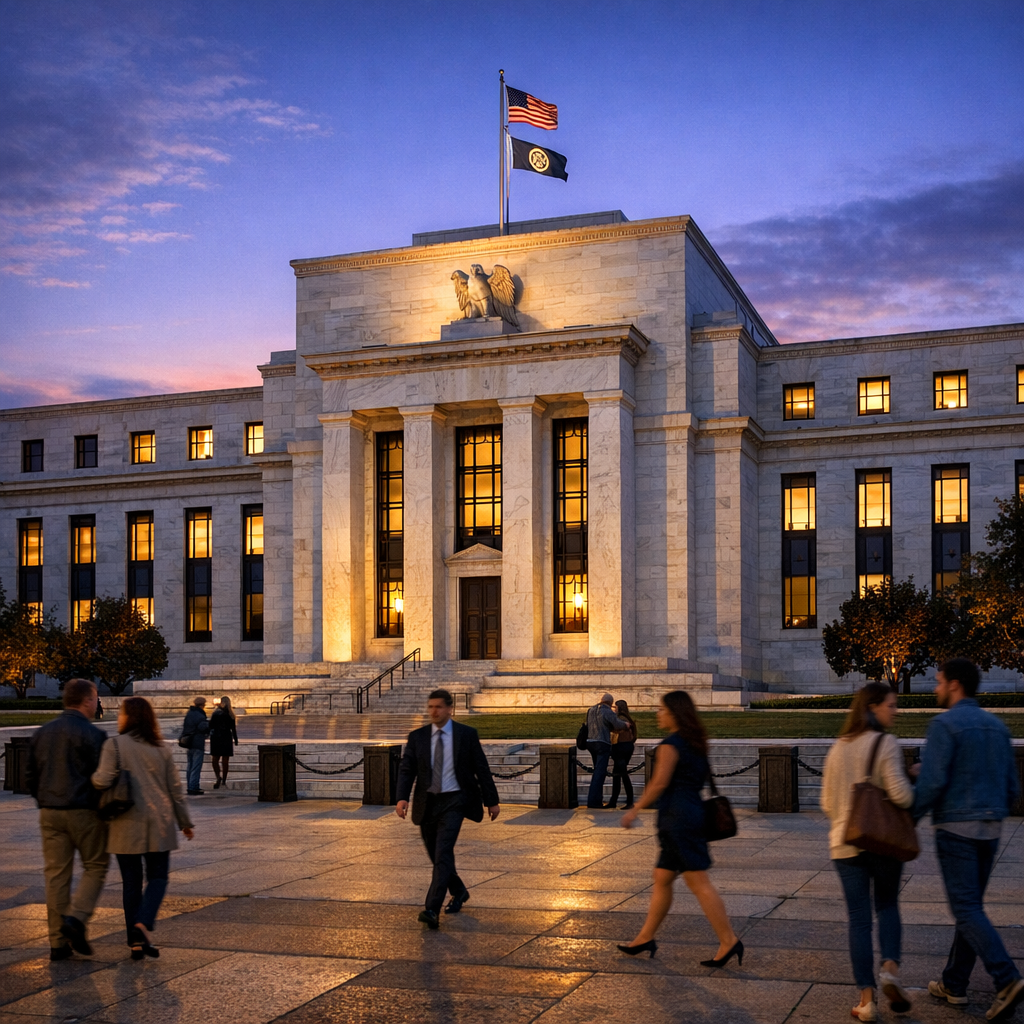
In a major move this month, the Federal Reserve raised its benchmark interest rate by a quarter-point — its first increase in more than three years — as inflation remains stubbornly above target. Under new Chair Kevin Warsh, the central bank also hinted at further rate hikes before year’s end.
What the Fed Did and Why
The new rate range now sits between 3.75% and 4.00%. The decision, unanimous among Fed officials, came as rising oil prices linked to Middle East conflict added upward pressure to consumer prices. Core inflation — which excludes food and energy — remains elevated, complicating the Fed’s task of returning inflation to its long-term goal.
Impacts on Borrowers and the Economy
For individuals, higher rates mean more costly mortgages, credit cards, and loans. The 10-year treasury yield, a benchmark that affects many borrowing costs, has climbed close to 5%, increasing rates across auto, student, and home loans.
Meanwhile, while the economy shows strength in some sectors, others are under pressure. Housing remains sluggish, and consumer spending is being squeezed by rising prices and slower wage growth. Some industries sensitive to borrowing costs are feeling the strain.
Looking Ahead: What to Watch
Fed officials have made plain that this isn’t expected to be a one-and-done move. The “dot plot” projections suggest at least one more rate hike later this year, depending on how inflation and labor market data evolve.
Stakeholders from Washington to Wall Street will be watching upcoming consumer price index (CPI) readings, retail spending figures, and signals from energy markets. Any surprise upswing in inflation could prompt more aggressive tightening.
Nashville Lens: What It Means Locally
Here at home, the rate hike means more expensive mortgages for prospective homebuyers and higher monthly payments for current variable-rate borrowers. Businesses that rely on loans — such as construction or real estate development — may pull back expansion if borrowing becomes too costly. On the flip side, savers might see improved returns on savings accounts and certificates of deposit.
Whether this shift will significantly curb inflation or risk tipping the economy into a downturn depends on several months of data. But one thing is clear: the Fed has signaled a new phase of monetary policy. Nashville families, workers, and businesses should pay attention — this affects more than Wall Street.