

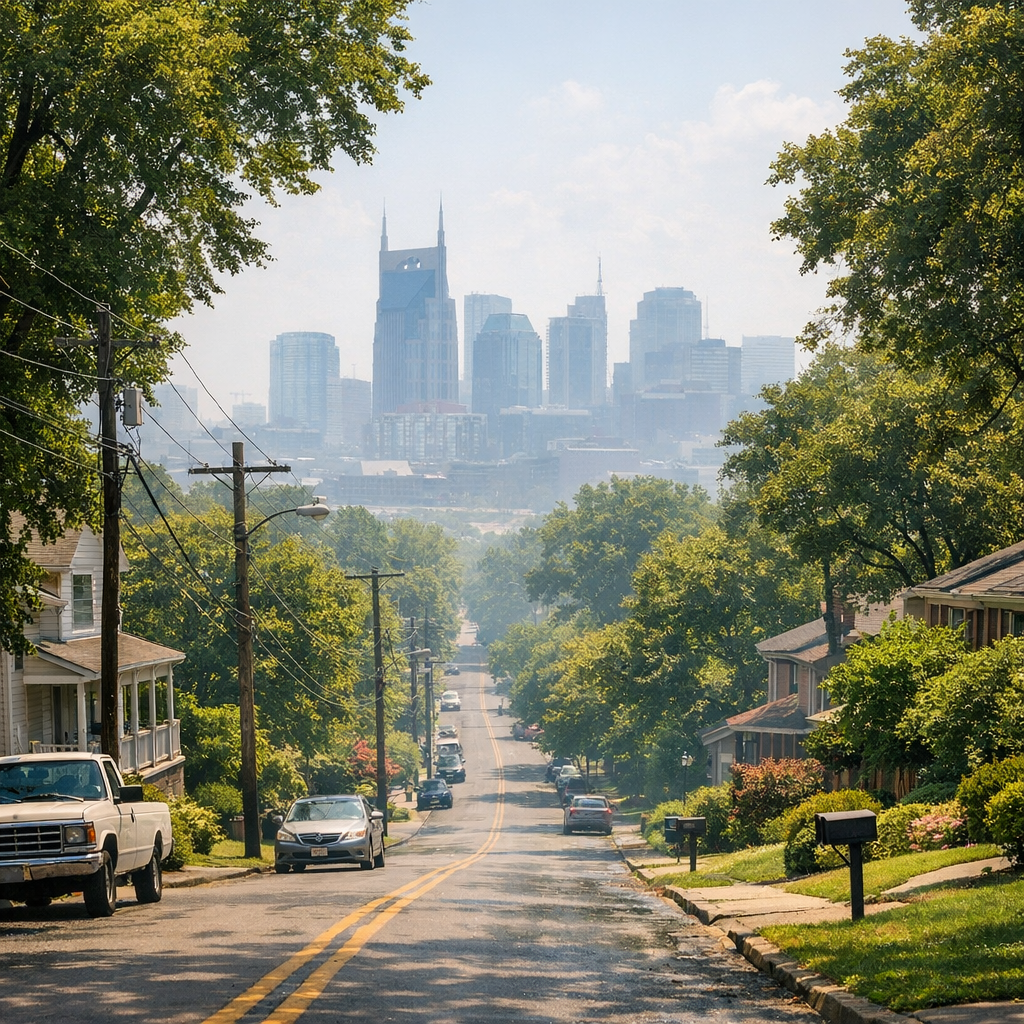
Hi, I’m William Thompson, and I’ve been watching Nashville’s skies and climate trends closely. Over the years, our city’s weather has started telling new stories—warmer winters, growing heat waves, shifting rainfall. Let’s explore what’s changed, what’s ahead, and what we can do in our Nashville neighborhoods.
Warming Trends: Longer Growing Seasons, Fewer Frost Days
Decades of data show that Nashville has warmed by around 1.7 °C since 1940—nearly 3 °F—significantly altering seasonal rhythms. Mild winters are now more common, and the number of frost days has dropped from about 69 days per year to closer to 53 in recent years. As snow becomes less frequent, our trees, crops, and insects are adapting—or struggling—to new cues. These shifts mean spring arrives earlier, autumn lingers longer, and the calendar for gardening and allergy seasons looks different than it used to be.
More Heat and Heat Stress
Heat waves in Nashville are not just getting more frequent—they’re lasting longer. Warm nights, too, are on the rise, offering less relief after hot days. By the end of the century, projections suggest we may see as many as 133 days a year with high heat stress—when temperatures stay over 90 °F during the day. That’s nearly a third of the year. This affects energy use, public health, and even how comfortable our evenings feel on the porch.
Rainfall: More Intense, Less Predictable
Rain patterns are changing: heavier downpours, especially in spring, are becoming more common, while dry spells still hit during summer months. Middle Tennessee has always had a wet season from late autumn through spring when two-thirds of annual rainfall happens—but storms are coming with more power. These intense bursts increase flash flood risks and test older drainage systems. It’s an important reminder to pay attention to how land is used and what happens when development blocks natural flow.
Air Quality, Pollution & Health Risks
Along with shifting temperatures and rainfall, air quality trends come under strain. Nashville’s daily Air Quality Index tracks pollutants including ground-level ozone and fine particulate matter (PM2.5), both of which rise under heat and during wildfire smoke events. With more warm, stagnant days, and more pollutants, health risks for people with asthma, older adults, and children increase. Local forecasts now help us plan when to limit outdoor time.
Building Resilience: What Nashville Can Do
Climate impacts aren’t just weather—they affect energy bills, infrastructure, public safety, and social equity. In response, Nashville has begun developing its first comprehensive Climate Adaptation and Resilience Plan. It focuses on key hazards:
- Flooding and stormwater management;
- Extreme heat and heat waves;
- Severe weather like storms and tornados;
- Winter storms and cold events.
These efforts include upgrading drainage, increasing urban tree cover, improving cooling access, and making smart land-use decisions so we’re prepared and resilient.
What You Can Notice and What You Can Do
As someone who spends time outdoors or cares about local environment, here are signs you might already see:
- Later-fall color changes or earlier leaf drop;
- More humid summer nights or hotter days lasting longer;
- Pollen seasons that begin earlier and feel longer;
- Flash flooding after sudden storms, especially in areas with poor drainage.
If you’re looking to help locally:
- Plant native trees and shrubs to shade neighborhoods, reduce heat islands;
- Support green infrastructure initiatives—rain gardens, permeable pavement;
- Stay informed about air quality forecasts and limit exposure on high-pollution days;
- Get involved in community planning for stormwater, parks, and cooling centers.
Nashville’s weather changes aren’t just curiosities—they’re reshaping how we live. By understanding what’s shifting and taking action together, we can help ensure our city stays vibrant and resilient for generations to come.