

By Sophia Anderson
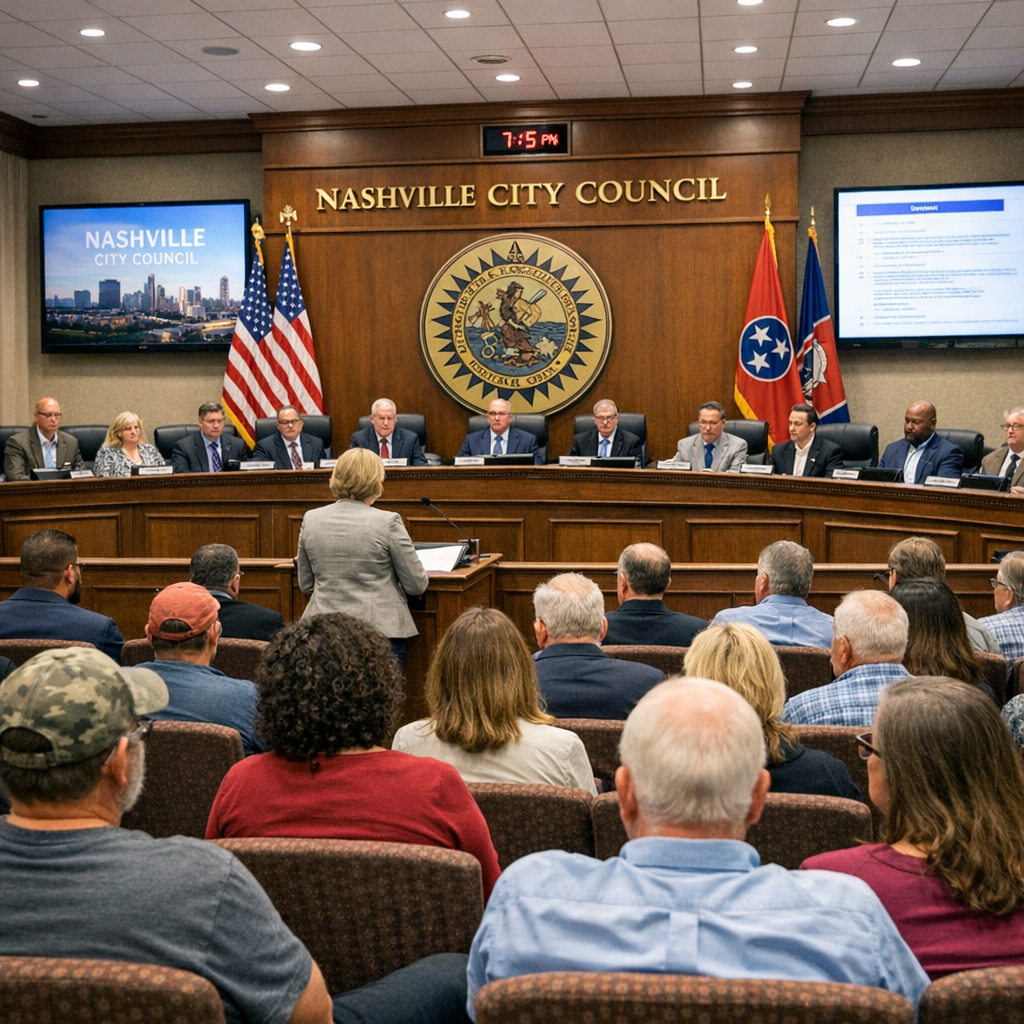
Nashville is in the midst of several community-focused shifts as city leaders respond to the challenges residents have been calling out for years. From housing affordability to safer streets to large-scale development concerns, the decisions happening in Metro Council and at the Mayor’s Office are starting to reshape how Nashvillians live.
1. Affordability remains at the top of the city’s agenda
One of Nashville’s most persistent concerns—housing and cost of living—is seeing renewed attention. A recent report by Metro Social Services highlights that African American residents continue to face disproportionate challenges when it comes to affordability, underscoring ongoing wealth gaps rooted in both historical and modern barriers. Metro is using this evaluation to guide investments in affordable housing, transit access in underserved areas, and support for minority-owned businesses.
Citywide sentiment backs this: polls show many residents believe affordable housing should be Mayor Freddie O’Connell’s top priority.
2. Transportation safety and cityscape updates in motion
Nashville’s “Choose How You Move” initiative is advancing new projects designed to modernize transit, reduce traffic delays, and upgrade safety across key corridors. Priorities include upgrading signals, expanding Complete Streets (roads that are safer and more accessible for pedestrians, cyclists, transit riders, and drivers alike), and tackling high-injury areas like Gallatin Pike.
Meanwhile, discussions over restricting “right on red” turns in downtown neighborhoods illustrate how traffic policy is getting more granular and responsive to feedback from local residents.
3. Data centers, zoning, and development under scrutiny
Controversy around proposed large-scale data centers—especially near the Nashville Zoo—has led Mayor O’Connell to issue an executive order asking city departments to assess environmental, infrastructure, and neighborhood impacts before approving new proposals. These moves come alongside efforts in Metro Council to propose regulations or even temporary bans.
Similarly, zoning in fast-developing areas like The Nations has sparked debates over preserving community character and resident voices in development decisions.
4. Crime trends show progress, but concerns remain
Long a focus for many Nashvillians, public safety has seen measurable improvements. Crime has declined across multiple categories, including violent crime, property crime, and car theft. Homicides are down significantly this year, and several precincts are reporting their lowest levels in decades.
Still, not every neighborhood has felt these gains equally, sparking calls for more balanced safety investments and community policing strategies that engage rather than alienate.
Looking ahead
As city leaders prepare budgets and regulation proposals, resident engagement will be critical. From public hearings on transit projects to community conversations around zoning, Nashville’s evolving landscape depends on people speaking up. The city seems headed toward meaningful change, but long-term success will hinge on sustained funding, transparency, and inclusive policy design that centers those most impacted.