

From Washington, D.C., Michael Williams reporting: recent federal decisions are redrawing the balance of power in U.S. politics and intensifying worries among Americans about everyday costs. Here’s a deep dive into two key developments that matter nationally—and for Nashvillians, too.
1. Strengthening the Presidency
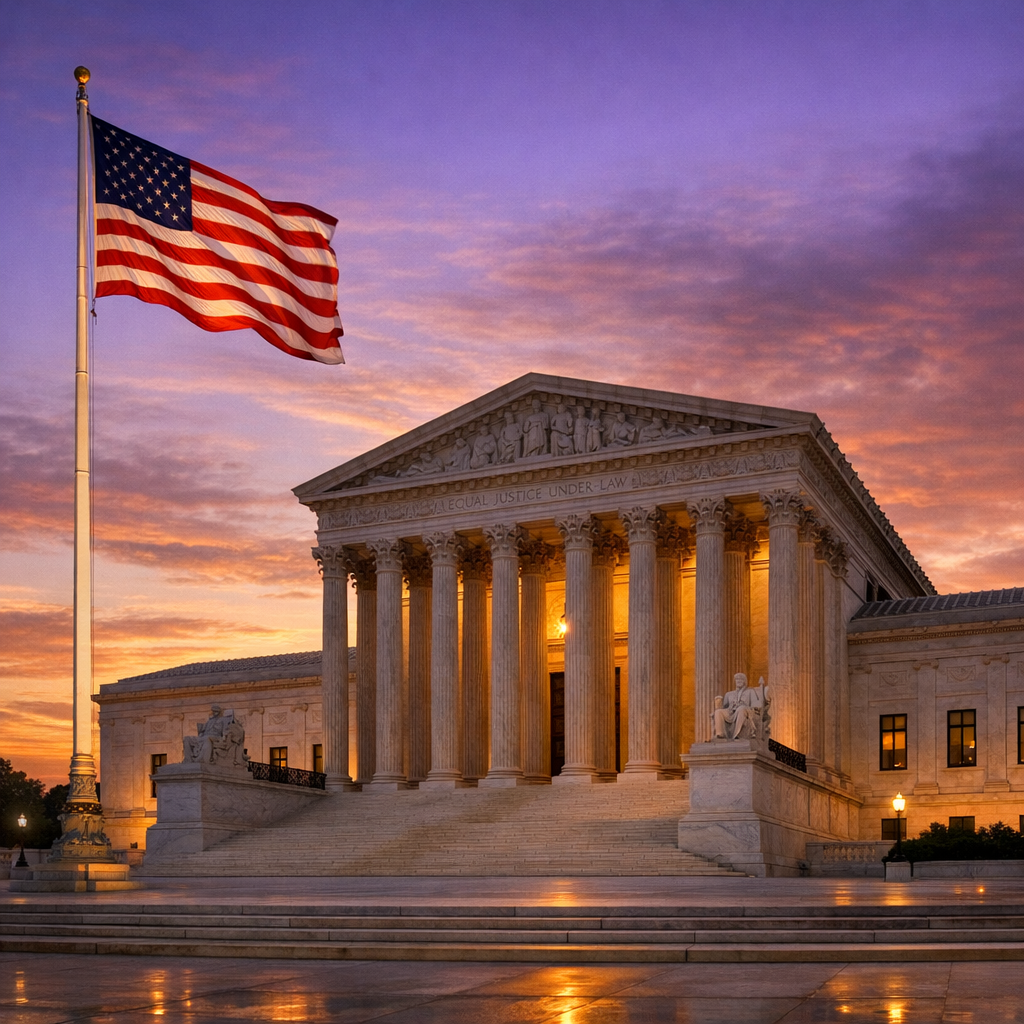
The U.S. Supreme Court has issued several rulings that significantly expand presidential authority over independent federal agencies. In a major decision, the Court eliminated longstanding protections preventing agency heads—such as those at the Federal Trade Commission (FTC) and others—from being removed by the president without cause. This shifts power more directly into the executive branch.
At the same time, courts upheld birthright citizenship in a ruling rejecting efforts by executive action to limit automatic citizenship for children born in the U.S. to noncitizen parents, reinforcing constitutional protections under the 14th Amendment. These decisions showcase a trend: while the Court has empowered the presidency in structural administration, it continues to draw a line when core constitutional guarantees are at stake.
2. Economic Pressures From Coast to Coast
Meanwhile, Americans across the country are expressing growing frustration and concern about their finances. Surveys show widespread worry about healthcare costs, housing, food, and energy—especially amid rising gas and utility prices. For many, everyday essentials are stretching budgets tighter than in recent years.
While inflation has shown signs of cooling, the relief is uneven. Underlying price pressures remain, particularly for necessities rather than luxury items. Consumer sentiment is still fragile. These economic tensions play a large role in how voters feel about leadership and policy priorities heading into major election cycles.
What It Means Locally and Looking Ahead
For Nashville and other communities, these national shifts touch your life whether or not you’re following the headlines closely. Expanded presidential power means federal leadership will have more sway over regulations—ones that impact such things as consumer protections, environmental policy, business oversight, and more.
On the economic side, stress over the costs of healthcare, food, housing, and energy tends to hit hardest in tight-income households, and in regions where job growth hasn’t kept pace or access to services is uneven. Policies that address these concerns—through regulation, public assistance, or tax relief—will be key points of debate in Congress and state governments.
What’s Ahead
- Watch for legislative responses: Congress may act to define or limit executive power over agency leaders, or tighten long-standing rules around spending and regulation.
- Expect economic policy to dominate political messaging, especially in swing areas. Voters are looking for relief where their costs are rising.
- Keep an eye on how courts interpret these decisions in coming cases—precedents are being set now that could shape executive power and civil liberties for years.