

By Benjamin Lopez
Feeling the Squeeze
I’ve lived in Nashville all my life—my grandparents here, my friends here, the smell of hot chicken and live country in the air. But these days, being able to stay—really stay—is getting harder. Rents are up. Homes are selling before the open house ends. And income? It’s often nowhere near catching up.
A recent report by the city’s social services department found that while Nashville’s overall poverty rate is nearing 12%, the rate for African American residents sits at about 18%. Nearly half of all renters—especially people of color—are spending over 30% of their income just on housing. That means less for groceries, childcare, or unexpected expenses. It’s not just about four walls—it’s everything wrapped up in whether you really belong here.
Roots and Displacement
I’ve seen the city change every time I drive through North Nashville, Edgehill, or along Jefferson Street. These are places where black history runs deep—but where affordable housing keeps getting pushed farther away. Folks who grew up on the same block are priced out. Renting becomes the only option. Generational wealth slips just a little further away.
Reports explain that many of today’s struggles are years in the making—redlining, road construction through neighborhoods, and development that favors outsiders over long-term residents. It’s not conspiracy-y; it’s policy and economics intersecting. The result: for many groups, the cost burden isn’t just near-term—it’s generational.
Quality of Life—What’s Getting Lost
It’s not just the roof overhead. When housing eats up your paycheck, you lose wiggle room. Commutes get longer. Time with loved ones disappears. Access to good healthcare or nutritious food becomes sacrifice. Even the parks feel less inviting when you’re watching what every dollar you spend means.
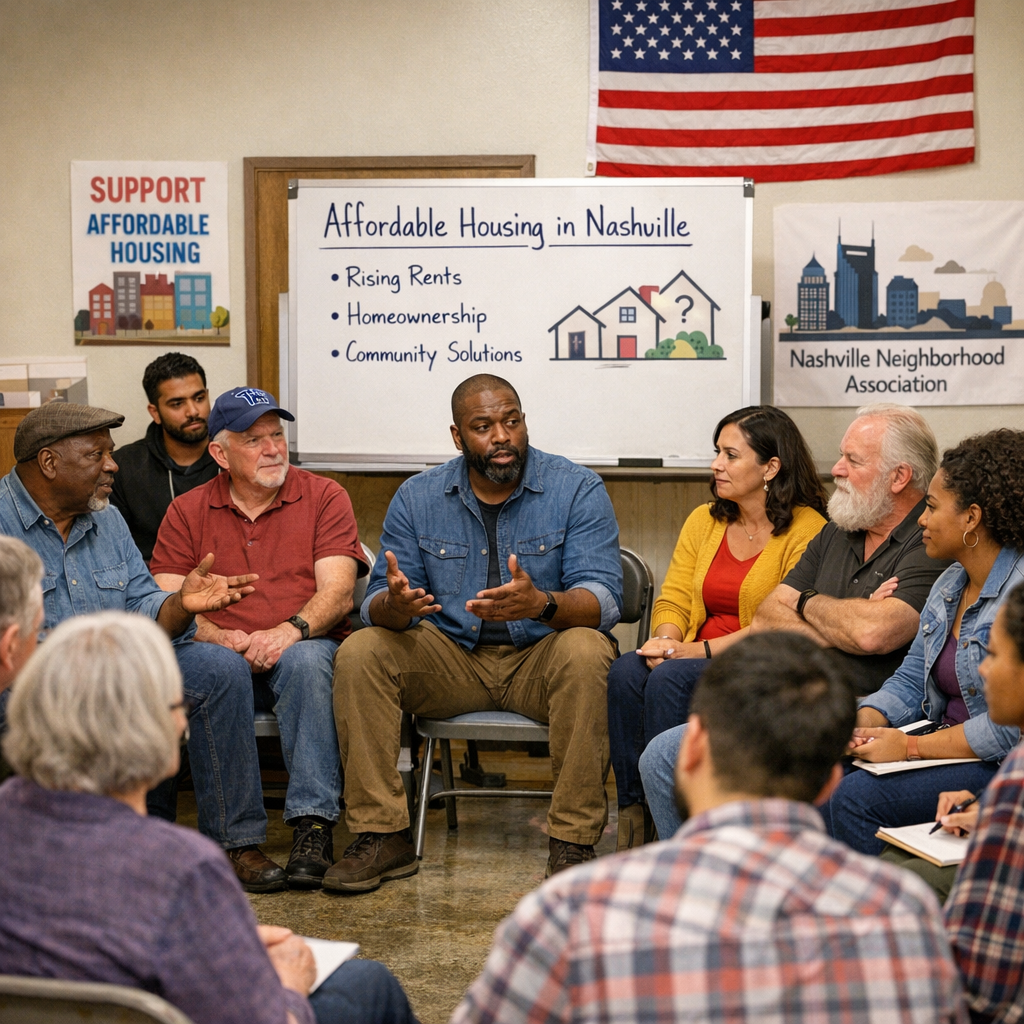
There’s also the soul of Nashville. Conversations are growing about why things feel less like “We’re all Nashville” and more like “We’re the folks who can still afford it.” You hear it at meetings. You feel it when some familiar faces are vanishing, replaced by new ones with deeper pockets.
Where Do We Go from Here?
This isn’t about looking backward with rose-colored glasses. Nashville has always evolved. But evolution isn’t fair if it leaves many behind.
Some hopeful signs: studies looking at transit-oriented housing near corridors; official plans that ask residents where growth should happen—not just where developers want to build. But plans don’t keep the lights on. They need teeth. Policies that protect renters. Incentives for truly affordable builders. Waiting lists for homes that aren’t meant for luxury prices. We need to insist growth include care.
Because for me, for many folks, Nashville isn’t just where we happened to end up—it’s home. And home is worth fighting for.