

By Benjamin Lopez
The Tension Between Change and Belonging
Nashville’s expansion is visible everywhere—from new construction cranes on the skyline to upscale storefronts replacing old corner shops. This change brings economic growth and opportunity. But for many long‐time Nashvillians, it comes with a sharp sense of loss.
According to Imagine Nashville’s community research, 72% of residents believe there’s a growing divide between rich and poor here. Yet at the same time, belonging remains strong: people feel connected to their city and hopeful about the future. The tension lies in whether that future includes everyone. Certain groups—Black residents, older adults, people with low incomes, LGBTQ+ neighbors—feel left out of decision-making and out of the benefits of progress. When decisions are made without their input, the community fractures.
When Voices Are Overlooked: Gentrification, Zoning, and Displacement
Gentrification doesn’t just alter housing prices. It reshapes culture, relationships, and what long‐standing neighbors think of as home. In neighborhoods like Edgehill and North Nashville, residents grapple with rising housing costs and changing zoning that favor large investors—even when community sentiment clearly points toward preserving character and affordability.
Groups such as Save Our Nashville Neighborhoods have warned against policies pushing up‐zoning and blanket rezoning that give decision makers rigid leeway—sometimes ahead of major community input. While comprehensive planning processes like NashvilleNext promised inclusive conversations, critics argue that real power still too often resides in the hands of developers and elected officials. Without transparency and invitation, many citizens feel they’re left to watch their own neighborhoods be reshaped without guidance or consent.
What Inclusion Looks Like: Examples of Community-Led Engagement
Across Nashville, there are strong models of how things can be different. The Neighborhood Story Project empowered residents in gentrifying neighborhoods to map their own histories—and break down the narrative that progress must erase the past. Voice archives like Voices of Resilience are centering the experiences of those facing climate impact first and hardest, reminding us that stories matter in crafting solutions.
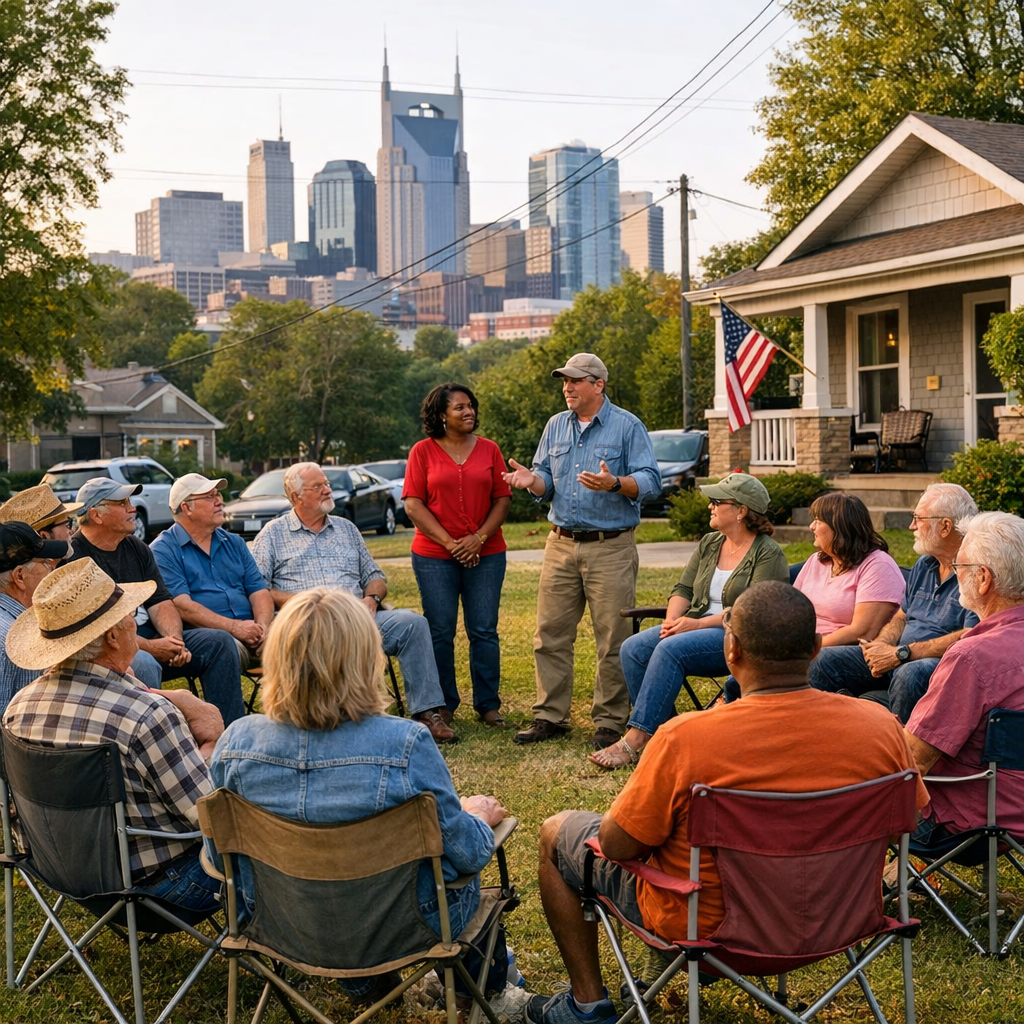
Planning efforts that build space for underrepresented groups—low income residents, longtime neighbors, older adults—to shape what comes next are especially meaningful. When people are included early, decision making becomes richer, stronger, and more sustainable. Nashville’s future is at its best when it includes everyone’s hands in building it.
How Each Neighbor Can Help Make Change
- Show up to meetings: Town halls and community conversations only work if people come. Sharing your opinion—even if you think your voice is small—is critical.
- Talk about what you value: Speak up about what’s worth preserving in your neighborhood, whether it’s a tree canopy, familiar stores, street art or social ties.
- Engage leaders to commit to equity: Ask your council members and planning agencies to track who is included in their outreach and how decisions reflect input from people most affected.
- Support or start grassroots projects: Storytelling, neighborhood timeline work, volunteer neighborhood associations—all these build more than awareness; they build shared identity.
We are growing, yes. But growth doesn’t have to mean losing ourselves. What if the loudest voices in the room weren’t those with the biggest budgets, but those with the greatest stake in staying rooted? Nashville’s history leans on bold dreams—but its future depends on listening.