

By Sophia Anderson
Big Moves Underway in Nashville’s Transit and Infrastructure
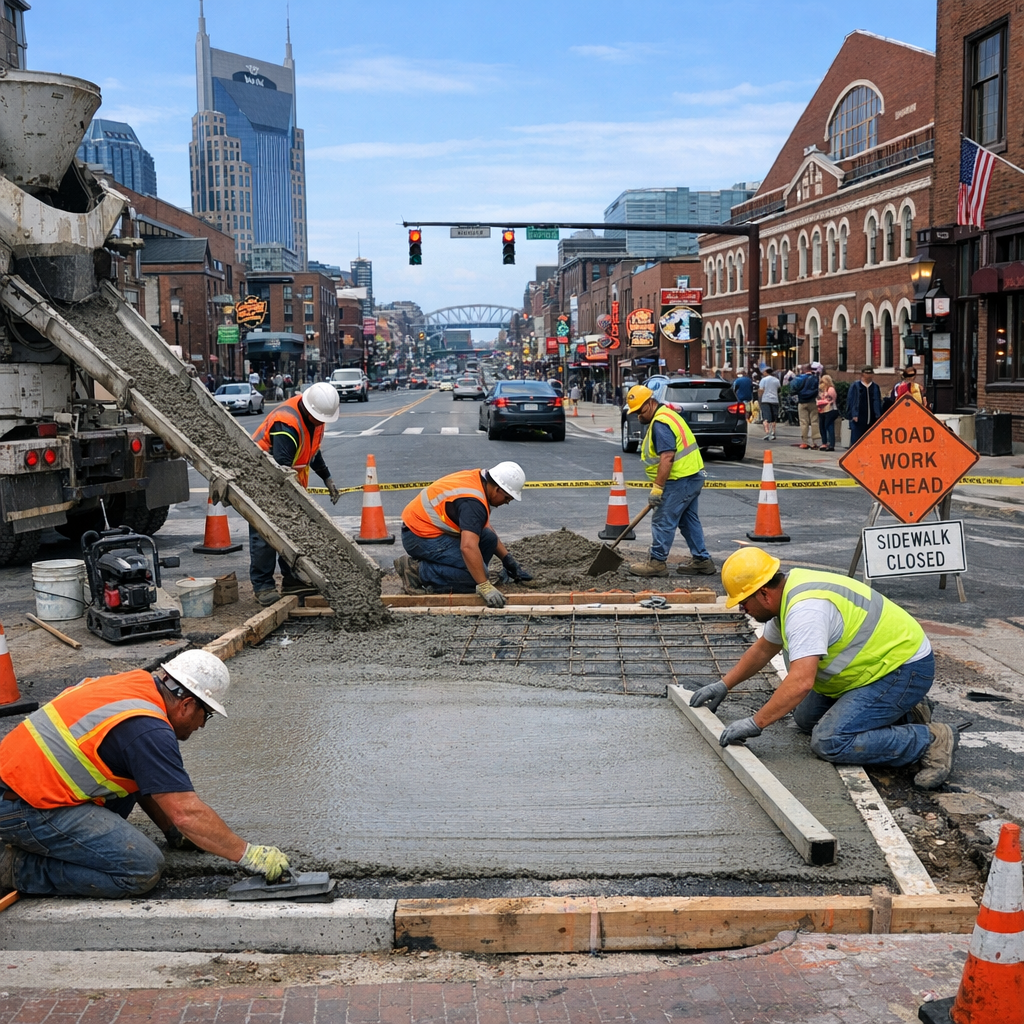
One of Nashville’s most ambitious efforts—Choose How You Move (CHYM)—is generating visible changes across the city. Since its approval by voters in 2024, CHYM has launched over $163 million in projects covering sidewalks, traffic signals, safety upgrades, and transit service enhancements. These efforts are part of a sweeping strategy to make getting around town easier, safer, and more reliable for all residents.
Areas like the All-Access Corridors along Gallatin Pike/Main Street and Nolensville Pike are being prioritized for upgrades that will better integrate transit with safer streets.
Specific Safety Projects Popping Up
Concrete barriers to protect bike lanes, raised crosswalks to help pedestrians cross busy streets, and “queue jump” lanes helping buses bypass traffic are among the recent additions aimed at reducing crash rates. With more than 60 traffic-related deaths reported this year—many involving pedestrians—these infrastructure tweaks are designed to make measurable improvements in street safety.
Major Roadwork: I-40 over 8th Avenue Bridges Replacement Project
Meanwhile, the Tennessee Department of Transportation has begun replacing four aging bridges along I-40 over 8th Avenue in Davidson County. Located in downtown Nashville, these bridges have Structural issues severe enough to warrant full replacement. The project is expected to wrap up by summer 2028. Work includes ramps and key connections in the congested interchange area. For drivers, businesses, and travelers in the downtown core, this will mean some disruption but long-term gains in safety and reliability.
Looking Ahead: Growth, Plans, and Community Involvement
Other city planning efforts are keeping pace, including the Design & Development Strategy, which aims to update zoning, design standards, and policies supporting Nashville’s urban core. These changes are intended to make growth more predictable, sustainable, and equitable. That means balancing new transit, walkability, and mixed-use elements with preserving neighborhood character.
Public engagement is a big piece of this: residents are being invited to shape recommendations in upcoming scenario planning outreach, especially in areas like Midtown East where rapid growth and redevelopment pressures are most intense.
What this means for Nashvillians: sidewalks will fill in gaps, transit should reach more people more reliably, streets will be safer, and the downtown area will see zoning changes that aim to guide growth with intention. All of it backed by funding, oversight, and measurable goals so that what’s promised becomes what’s built.