

In Nashville, professional teams grab headlines. But the heart of the city’s sports culture beats loudest in our high school stadiums, college courts, and neighborhood parks. What makes those games—even ones without big budgets or prime-time cameras—matter so much?
Building Community Beyond the Scoreboard
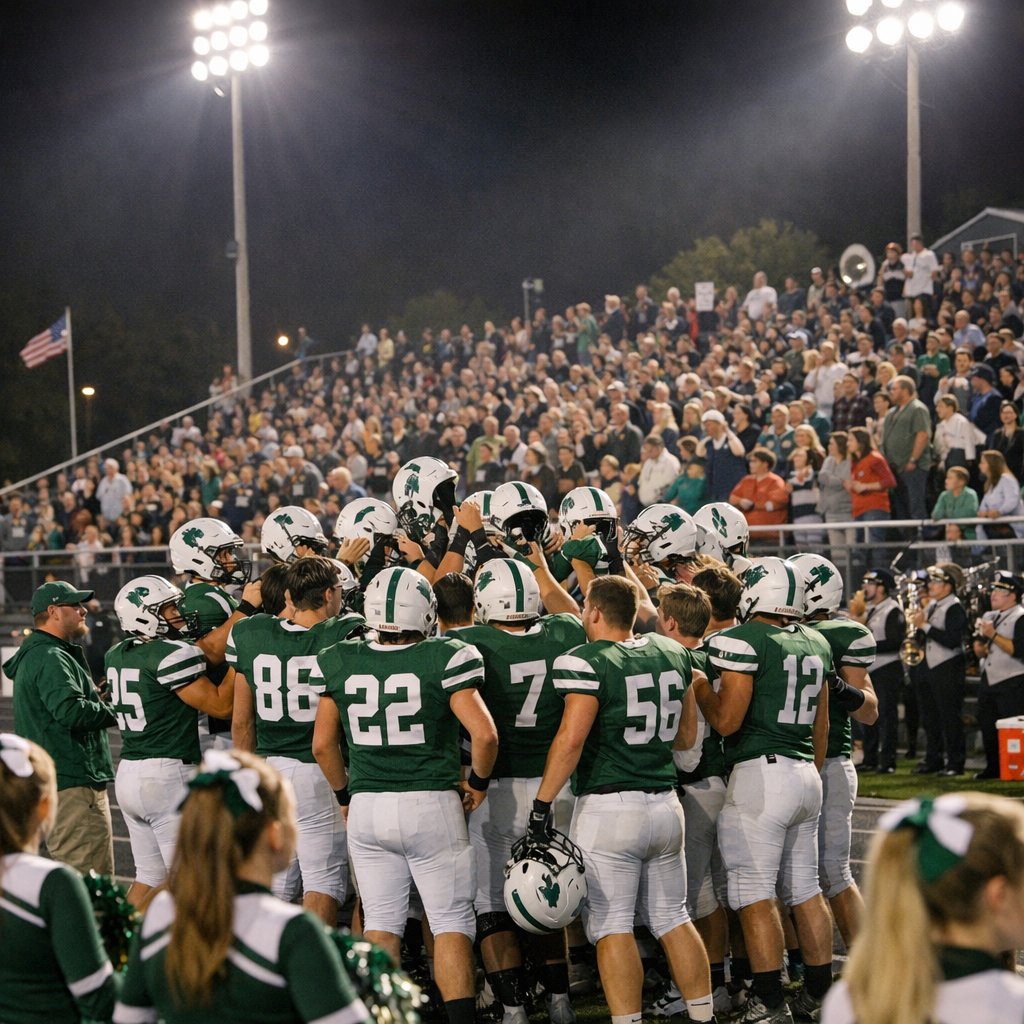
Recent data shows that “team sports participation reached a record 92.3 million Americans ages 6 and older in 2025,” with both basketball and outdoor soccer experiencing fast growth. Locally, that translates to packed high school stands and community league fields. These are places where families gather, old friends reconnect, and neighbors get involved. It’s the energy of “Friday night lights” that goes beyond the game itself—touching identity, pride, and belonging.
The Girls’ Game Gains Ground
One of the standout trends is the fast growth in girls’ sports—flag football, wrestling, and fast-pitch softball are both drawing interest and participation. For many young women in Nashville, these options are more than just new opportunities—they’re affirmations that sports can belong to everyone.
Access and Inclusion: Still Work to Be Done
Even as youth sports participation ticks upward, there are gaps: teens aged 13-17 play less regularly than younger kids, and children from lower-income households often have fewer resources for travel teams, gear, or private coaching. Schools and community organizations are working around those limitations—through free clinics, shared gear programs, and sliding-scale fees—but sustainable funding and volunteer coaching remain crucial.
Why Colleges and Local Heroes Keep Inspiring
College athletics remain important waypoints—think Tennessee State University or local Community College teams—where young athletes shine and local pride grows. But so do individual stories: the rec league coach volunteering extra hours, siblings cheering under shared lights, former players coming home to support today’s teams. These connections tie cities together in ways that big professional contracts or national TV deals rarely do.
What the Data Tells Us—and Where Nashville Can Go From Here
Nationally, 55.4% of kids ages 6-17 played sports in 2023, up from prior years. But for teens, regular participation still lags. Adults are rediscovering team sports too—not just for fitness, but for social connection. For communities like ours, the implications are clear: when we invest in facilities, ensure volunteer coaches are supported, and make sports accessible, we build more than athletes—we build belonging.
Steps Nashville Can Strengthen the Local Sports Ecosystem
- Boost coach training and retention programs to support student-athletes and neighborhood teams.
- Expand partnerships between colleges and local schools to share resources like fields, strength training, and equipment.
- Lower financial and travel barriers by offering more local competitions and subsidized fees.
- Create mentorships or outreach from pro athletes or local college stars to youth teams—not just for inspiration, but for ongoing guidance.
When Nashville supports sports at every level—youth, school, college, community—we invest in something that lasts longer than victories. We build connections across generations, neighborhoods, and dreams. At the end of every game, we walk away not just winners and losers—but part of something bigger.