

By Michael Williams
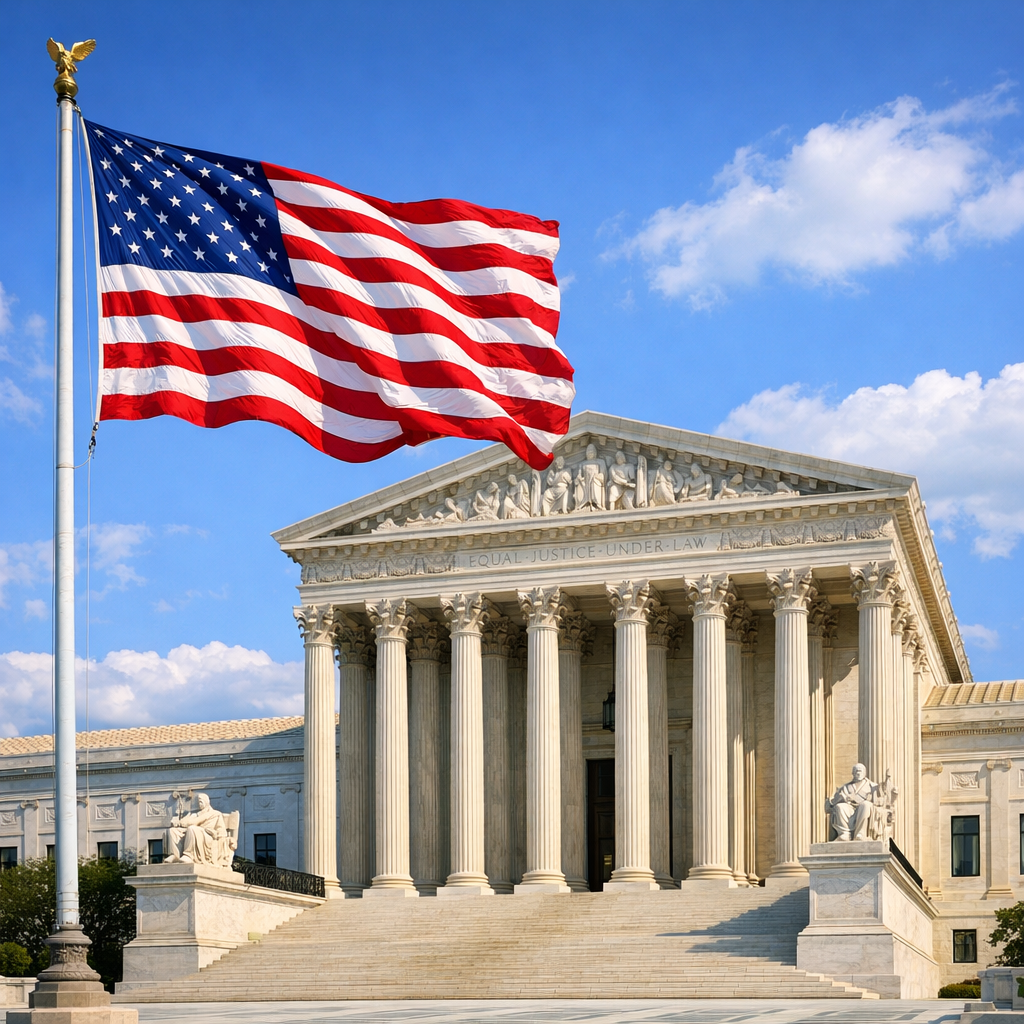
Washington—The latest Supreme Court term brought sweeping changes and clarified several cornerstones of American governance, reshaping questions of presidential authority, voting rights, and citizenship. Here’s what Nashville and the rest of the country should know.
Limits on Executive Power
In several major cases, the court pushed back against broad claims of presidential power. For instance, it rejected an executive order that attempted to significantly restrict birthright citizenship—affirming that almost all children born on U.S. soil remain citizens regardless of their parents’ status. Another case blocked the president’s attempt to dismiss a Federal Reserve governor without cause, maintaining Congress’s role in protecting the institution’s independence. The precedents set here reinforce checks on executive control.
Voting Rights Reworked
The Court’s decisions also dramatically reshaped voting law. A key ruling severely reduced the scope of the 1965 Voting Rights Act, giving states more leeway in drawing congressional districts—moves that could affect the political representation of communities in Tennessee and elsewhere. Election law challenges related to campaign finance and voting mail-in ballots remain active, with major implications for the midterm elections.
What It Means Locally in Nashville and Tennessee
Tennessee lawmakers now operate under broader discretion in crafting the state’s maps ahead of future elections. Minority communities may find their influence diluted if districts are redrawn without court-enforced safeguards. The rulings also reverberate through federal-state interactions—from federal polling standards to state-level election oversight.
What to Keep an Eye On
- How state legislatures redraw districts in the wake of the Voting Rights changes, especially in Southern states.
- Further legal battles over campaign finance—particularly restrictions on coordination between parties and candidates.
- Legislation around the balance of power between the presidency and independent institutions like the Fed.
- The 2026 midterms, which will reflect how these changes play out in public sentiment and electoral outcomes.
The Supreme Court’s shift during its recent term isn’t merely about individual rulings—it reflects an evolving architecture of power, citizenship, and democracy. As federal, state, and local actors adjust, the effects will ripple through policy debates, elections, and everyday rights across Tennessee and beyond.