

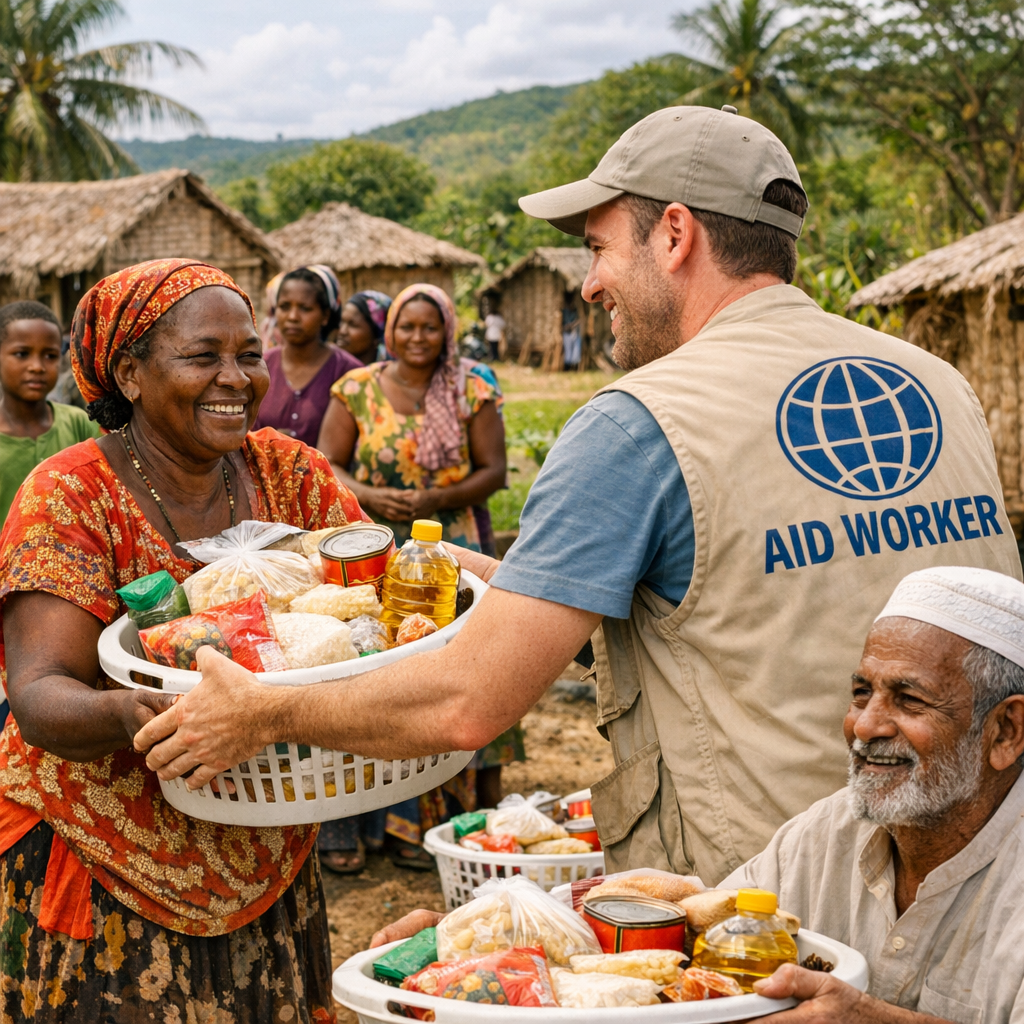
By Emily Johnson — Around the globe, recent data shows a slight easing in hunger levels. Yet for many communities, food insecurity remains an urgent issue that demands sustained action.
What the Numbers Show
According to recent United Nations reports, about 7.8% of the world’s population—around 645 million people—were undernourished in 2025. Moderate to severe food insecurity affected roughly 2.1 billion people. Despite some progress, these figures underscore that global goals to eradicate hunger are still far off track.
Key Drivers of the Crisis
Conflict and Instability
Wars and civil unrest continue to devastate food systems. The ongoing conflict in the Middle East has disrupted supply chains and increased costs for fuel and agricultural inputs, hitting vulnerable nations hardest.
Climate Shocks and Weather Extremes
From droughts in the Horn of Africa to unpredictable monsoons, climate change is throwing growing seasons off balance. An El Niño event underway is expected to aggravate these patterns through early 2027, raising risks to farming and livestock in parts of Africa and Asia.
Economic Pressures and Funding Gaps
Even as food production grows, many cannot afford healthy diets. Rising food and fertilizer prices, along with inflation, are stretching household budgets. At the same time, humanitarian funding and aid are declining—leaving many nations vulnerable. Public development assistance is projected to drop further this year.
What Can Be Done
Experts stress that tackling hunger requires a multi-tiered response:
- Strengthen local food systems: Investing in smallholders, sustainable agriculture, and diversified crops can help communities become more resilient.
- Expand social protection: Programs like food subsidies, safety nets and school feeding can buffer the most vulnerable against shocks.
- Increase climate adaptation: Drought-resistant seeds, water conservation, and forecasting tools are essential, especially with El Niño conditions developing.
- Maintain global solidarity: Sustained international funding and aid will be crucial to ensuring that progress doesn’t backslide.
Implications for Local Communities in the U.S.
While most of the severity is overseas, the ripple effects are felt here too—food prices in the U.S. are affected by global fuel, fertilizer, and shipping costs. For Nashville and beyond, supporting fair-trade products, advocating for smarter agricultural policies, and donating to effective nonprofits offer tangible ways to help.
The global hunger crisis is not just a distant headline—it represents a shared challenge. As weather, conflict, and economics collide, the solutions will require cooperation across borders, sectors, and neighborhoods alike.